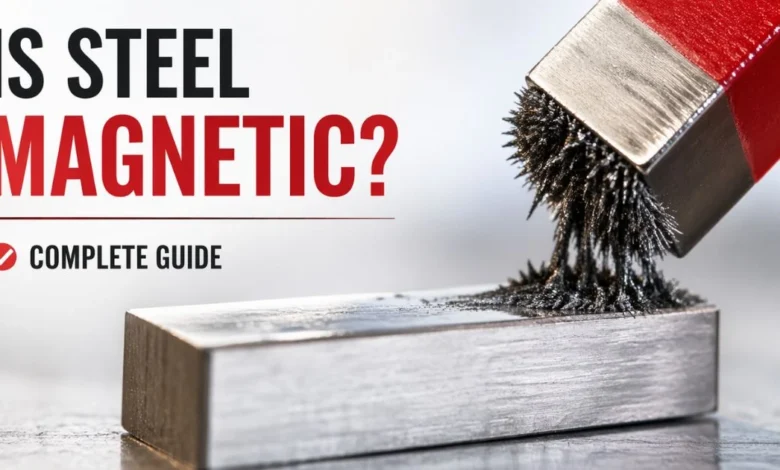
Is Steel Magnetic? The Surprising Truth About Stainless Steel Grades
The question is steel magnetic is a complex one because the answer depends entirely on the specific alloy’s composition and crystal structure. While steel is primarily made of iron, which is a highly magnetic material, not all finished steel products will attract a magnet. In the world of metallurgy, the presence of chromium, nickel, and carbon alters the atomic arrangement, leading to different magnetic behaviors across various grades. For engineers and DIY enthusiasts, understanding these differences is crucial for selecting the right material for construction or electronics. This guide will explore the science behind these properties and help you identify which types of steel are truly magnetic.
The Science: Why Some Steel Sticks to Magnets
To understand is steel magnetic, we must look at how the atoms are arranged in different “phases” or crystal structures like ferrite and austenite. Ferritic steels have a body-centered cubic structure that allows magnetic domains to align, making them strongly attracted to magnets. On the other hand, austenitic steels, which are common in high-end kitchenware, have a face-centered cubic structure that cancels out magnetic alignment. This is why a stainless steel refrigerator door might hold magnets while a stainless steel sink from the same brand does not. By looking at the internal microscopic structure, we can solve the mystery of why magnetism varies so wildly in the steel industry.
Magnetic vs. Non-Magnetic Steel Grades
When people ask is steel magnetic, they are usually dealing with the 300 and 400 series of stainless steel found in homes. Carbon steel, which is used in tools and structural beams, is almost always magnetic because it lacks the high nickel content found in non-magnetic varieties. However, the 400 series stainless steel, often used for kitchen knives and car parts, remains magnetic due to its high chromium and low nickel mix. In contrast, the 300 series (like 304 and 316) is widely considered non-magnetic, making it ideal for medical equipment and marine environments where magnetic interference must be avoided. Knowing these grade differences is the most reliable way to predict a metal’s reaction to a magnetic field.
The Role of Nickel in Non-Magnetic Steel
Nickel is the primary element that answers the question of is steel magnetic by stabilizing the austenitic structure. When enough nickel is added to the iron-chromium mix, it physically shifts the atoms into a non-magnetic configuration that persists even at room temperature. This is why premium cookware often uses 18/10 stainless steel, where the “10” represents the nickel percentage that renders the pot non-magnetic. Without this nickel addition, the iron would naturally return to its magnetic state during the cooling process of manufacturing.
Can Non-Magnetic Steel Become Magnetic?
It is a common surprise to find that a supposedly non-magnetic 304 steel pipe shows a slight pull after it has been bent or welded. This happens because mechanical stress, known as “cold working,” can physically crush the non-magnetic austenite into a magnetic martensite structure. Therefore, the answer to is steel magnetic can actually change depending on how the metal was processed or shaped in the factory. High-stress areas like the corners of a deep-drawn sink are the most likely spots to exhibit this unexpected magnetic behavior.
Comparison: Magnetism Across Common Steel Grades
| Steel Type | Grade/Series | Is Steel Magnetic? | Common Application |
| Carbon Steel | All Grades | Yes | Tools, I-Beams, Nails |
| Stainless Steel | 430 (Ferritic) | Yes | Fridge Doors, Car Trims |
| Stainless Steel | 304 (Austenitic) | No | Kitchen Sinks, Cutlery |
| Stainless Steel | 316 (Marine) | No | Surgical Tools, Marine Gear |
| Galvanized Steel | Zinc Coated | Yes | Fencing, Roofing Sheets |
Why “Is Steel Magnetic” Matters for Tech and Industry
In the tech category, knowing is steel magnetic is essential for protecting sensitive electronic components from electromagnetic interference. Many computer housings and server racks use specific non-magnetic steel alloys to ensure that internal hard drives and processors are not affected by stray magnetic fields. If a magnetic grade of steel were used in these high-precision environments, it could lead to data corruption or hardware malfunctions over time. Engineers must carefully specify the exact grade of stainless steel during the design phase to prevent these issues from arising in consumer gadgets. Thus, the magnetism of steel is not just a curious fact but a critical technical specification for modern innovation.
Factors That Cause False Magnetic Readings in Steel
Sometimes the environment or surface treatments can lead to a confusing answer when testing is steel magnetic with a simple hand magnet. If a non-magnetic steel sheet is coated with a thin layer of zinc or another protective finish, it may still feel non-magnetic to a weak magnet. Conversely, a non-magnetic piece of steel that has been polished with iron-based abrasives might have tiny magnetic particles embedded in its surface, causing a “false positive” attraction. It is always important to use a strong neodymium magnet and test multiple points on the metal to ensure the reading is consistent. Cleaning the surface and checking the manufacturer’s grade stamp is the only way to be 100% certain of the metal’s properties.
(FAQs)
Is all stainless steel magnetic?
Not all stainless steel is magnetic.
Austenitic stainless steel grades such as 304 and 316 are generally non-magnetic, while ferritic and martensitic grades can be magnetic.
Why does my magnet stick to the fridge but not the sink?
Most refrigerator doors are made from magnetic 430 stainless steel or carbon steel, which allows magnets to stick easily.
Kitchen sinks are usually made from 304 stainless steel, which is non-magnetic in its normal condition.
Can you turn non-magnetic steel into magnetic steel?
Yes, in some cases.
Processes like cold working, bending, or deformation can slightly change the internal crystal structure of stainless steel, making it partially magnetic.
Is galvanized steel magnetic?
Yes, galvanized steel is typically magnetic because its base material is carbon steel, which naturally has strong magnetic properties.
The zinc coating does not affect magnetism.
Does magnetism indicate the quality of steel?
No, magnetism does not determine steel quality.
Magnetism only indicates the internal crystal structure (austenitic, ferritic, or martensitic), not strength, durability, or performance.
Conclusion
To wrap up the discussion on is steel magnetic, we can conclude that magnetism is a product of specific chemical alloys rather than a universal trait of all steel. While carbon and ferritic steels will always attract a magnet, the popular austenitic stainless steels used in our homes and hospitals remain non-magnetic due to their nickel content. Understanding these distinctions allows you to make better choices for DIY projects, kitchen upgrades, and technical applications. By recognizing that the answer to is steel magnetic depends on the grade, you can avoid common misconceptions and use this versatile metal to its full potential.