Is Silver Magnetic? 5 Fast Ways to Spot Fake Silver at Home
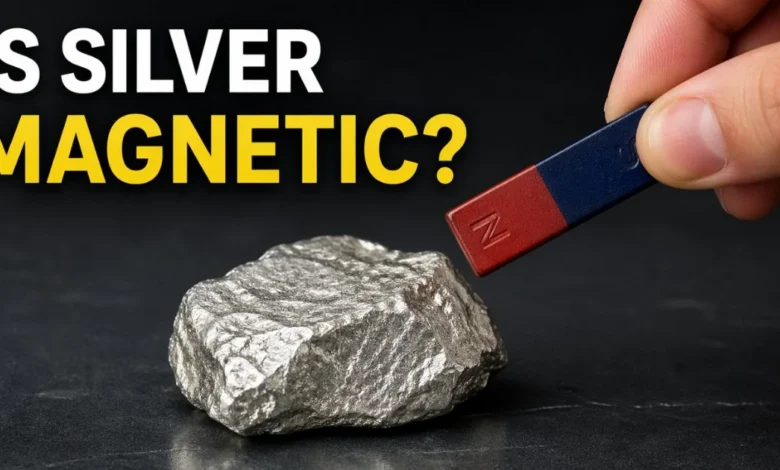
The question is silver magnetic is a vital concern for anyone investing in jewelry, coins, or industrial bullion. In its purest form, silver is a noble metal that does not exhibit magnetic properties under normal conditions, making it a “diamagnetic” material. This means that if you hold a high-quality neodymium magnet near a genuine .999 silver bar, you should see absolutely no physical attraction or sticking. However, because pure silver is extremely soft, it is often alloyed with other metals like copper to create sterling silver, which can sometimes lead to confusion regarding its magnetic behavior. Understanding these scientific principles is the first step in verifying your assets and ensuring you are not holding a silver-plated counterfeit.
The Scientific Reason Why Pure Silver Ignores Magnets
To truly understand is silver magnetic, we must look at the atomic level where silver’s electrons are perfectly paired within their orbits. Unlike ferromagnetic metals like iron or nickel, silver lacks the unpaired electrons necessary to create a permanent magnetic field or align with an external magnet. This fundamental chemical stability is why silver remains indifferent to magnetic pull, a property it shares with other precious metals like gold and platinum. However, silver is the most conductive element on Earth, which can sometimes create a strange “drag” effect when a magnet moves quickly past it. This phenomenon, known as Lenz’s Law, is often mistaken for magnetism, but it actually proves the high conductivity and purity of the metal.
5 Best Ways to Spot Fake Silver Fast
Knowing is silver magnetic is the quickest way to filter out cheap fakes, but using these five professional methods ensures your collection is 100% authentic. Since real silver is diamagnetic, the magnet test is your first line of defense; if your item sticks firmly to a magnet, it is likely made of a steel or nickel core. Beyond magnets, you should perform the “Ice Test,” where a piece of ice is placed on the metal; because silver is a supreme thermal conductor, the ice will melt unnaturally fast. Additionally, checking for hallmark stamps like “925” or “Sterling” and performing a “Ping Test” to hear the metal’s high-pitched ring can provide further evidence. Combining these fast-acting tests will help you confirm if your silver is magnetic or a truly valuable precious metal investment.
Why Sterling Silver Might Show a Slight Reaction
Many people ask is silver magnetic because their 925 sterling silver jewelry shows a very faint pull near the clasp or internal springs. Sterling silver consists of 92.5% pure silver and 7.5% alloy, usually copper, which is also non-magnetic and should not cause any attraction. However, if a manufacturer uses a low-quality alloy containing nickel or cobalt, the piece may exhibit a slight magnetic response that confuses the owner. It is also common for the small steel springs inside necklace clasps to be magnetic, even if the rest of the silver chain is completely authentic.
Using the Ice Test to Verify Purity
The ice test is a fascinating way to answer is silver magnetic by testing the metal’s physical conductivity instead of its magnetism. Because silver transfers heat more efficiently than any other metal, it will begin to melt an ice cube almost the moment contact is made, even at room temperature. If the ice melts slowly, as it would on a piece of stainless steel or brass, you are likely dealing with a silver-plated fake. This test is highly regarded by professionals because it identifies fakes that the magnet test might miss, such as those made of non-magnetic lead or zinc.
Purity Comparison: Real Silver vs. Fakes
| Silver Type | Composition | Is Silver Magnetic? | Testing Result |
| Fine Silver (.999) | 99.9% Silver | No | Zero Attraction / Fast Ice Melt |
| Sterling Silver (925) | 92.5% Silver + Copper | No | No Attraction (except clasps) |
| Silver Plated | Silver over Steel/Iron | Yes | Strong Attraction to Magnets |
| German Silver | Nickel, Copper, Zinc | Often | Magnetic due to Nickel content |
Why “Is Silver Magnetic” Matters in the Tech Industry
In the world of high-end electronics and renewable energy, knowing is silver magnetic is essential for maintaining signal integrity and electrical efficiency. Silver is used in circuit boards, solar panels, and specialized audio cables precisely because its non-magnetic nature prevents interference with sensitive electronic components. If these components were magnetic, they would create unwanted resistance and heat, potentially damaging the delicate microprocessors they power. Engineers specifically choose silver for its diamagnetic properties to ensure that high-frequency signals remain clean and unobstructed by magnetic fields. Therefore, verifying that your silver is magnetic or not is just as important for a tech manufacturer as it is for a jewelry collector.
Factors That Cause a False “Magnetic” Reading
If you are still wondering is silver magnetic because your coin felt a slight “drag” near a magnet, you might be witnessing a physics event called an eddy current. When a strong neodymium magnet slides down a pure silver bar, it creates a temporary electromagnetic field that opposes the magnet’s motion, causing it to slide slowly. This is not true magnetism but rather a sign of extreme electrical conductivity, which is a hallmark of high-purity silver. Furthermore, surface contamination or iron-rich polishing compounds left on the metal can sometimes cause a tiny, localized magnetic tick. Always ensure your silver is clean and that you are distinguishing between a “firm stick” and a “conductive drag” when testing.
(FAQs)
Is pure silver ever magnetic?
No — it never sticks to magnets.
Why does my silver chain react slightly?
Likely due to clasp springs, not the silver.
Can fake silver pass the magnet test?
Yes — brass and copper are also non-magnetic. Use the ice test too.
Does silver repel magnets?
Technically yes, but very weakly
Conclusion
To summarize the investigation into is silver magnetic, we can state with scientific certainty that pure and sterling silver are entirely non-magnetic materials. While a magnet is a fantastic tool for catching iron-based fakes, it must be used as part of a broader testing strategy involving hallmarking and thermal conductivity. By understanding the atomic properties of silver and why it ignores magnetic pull, you can protect your financial investments and technical projects from low-quality substitutes. Always remember that when the question of is silver magnetic arises, a “no” answer is the first sign of a genuine, high-quality precious metal.