Is Copper Magnetic? The Shocking Truth & Hidden Power!
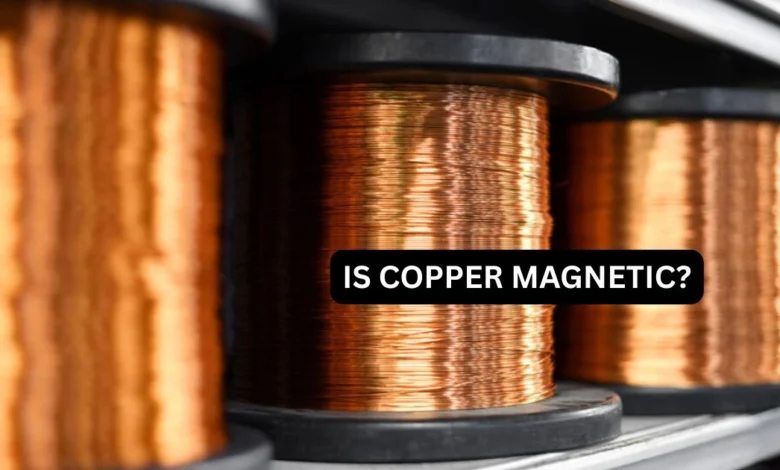
When you hold a shiny penny or a piece of wiring, you might wonder: is copper magnetic in the same way iron or steel is? The short answer is no, copper is not ferromagnetic, meaning it will not stick to a permanent magnet under normal conditions. This occurs because copper’s atomic structure features paired electrons, which prevents it from creating its own permanent magnetic field. While it won’t cling to your fridge magnets, copper does have a fascinating, invisible relationship with magnetism called diamagnetism. Understanding these properties is essential for anyone working in scrap metal, electrical engineering, or physics.
Understanding the Atomic Reason: Why Copper Isn’t Ferromagnetic
To answer is copper magnetic, we have to look deep into its electrons and how they are arranged. Unlike iron, which has unpaired electrons that align to create a strong pull, copper’s electrons are all paired up in their shells. This configuration means that the magnetic moments of the individual electrons cancel each other out entirely. Consequently, copper is classified as a diamagnetic material, which actually creates an extremely weak repulsion when it gets close to a magnet. This repulsion is so slight that you cannot feel it without specialized laboratory equipment.
The Comparison: Ferromagnetic vs. Diamagnetic Metals
| Metal Type | Category | Reaction to Magnets | Common Examples |
| Iron/Steel | Ferromagnetic | Strong Attraction | Tools, Nails, Screws |
| Copper | Diamagnetic | Weak Repulsion | Wiring, Pipes, Coins |
| Aluminum | Paramagnetic | Very Weak Attraction | Soda Cans, Foil |
The Magic of Movement: Copper and Eddy Currents
While a stationary piece of copper won’t react to a magnet, things get interesting when movement is involved. Even though is copper magnetic is technically answered with a “no,” it is a phenomenal conductor of electricity. When you move a strong neodymium magnet quickly past a copper surface, it creates “eddy currents” inside the metal. These circular currents generate their own temporary magnetic field that opposes the magnet’s movement. This is why a magnet dropped through a copper pipe appears to fall in slow motion—it’s essentially an electromagnetic brake.
Practical Uses of Copper’s Magnetic Interaction
- Magnetic Braking: Used in high-speed trains and roller coasters for smooth stopping.
- Induction Cooking: Uses copper coils to create heat via rapidly changing magnetic fields.
- Recycling: Large magnets help separate magnetic steel from non-magnetic copper scrap.
How to Verify Real Copper Using a Magnet
Knowing that is copper magnetic helps you identify authentic materials in the real world. If you take a strong magnet to an object labeled as “pure copper” and it sticks, you have found an impurity. Often, manufacturers use iron or steel cores and simply plate them with a thin layer of copper to save on costs. Genuine copper will never have a pull, so the “magnet test” is a gold standard for collectors and jewelers. This simple physics rule protects buyers from paying premium prices for cheap, copper-clad alloys.
Is Copper Magnetic When Electricity Flows Through It?
A common point of confusion is whether is copper magnetic when it is part of an active electrical circuit. While the copper metal itself does not become a permanent magnet, the flow of electricity through it creates an electromagnetic field. This is the fundamental principle behind electromagnets and electric motors found in every modern household appliance. By coiling copper wire and passing a current through it, we can create a powerful magnet that can be turned on and off. This doesn’t change the metal’s inherent properties, but it shows how copper is the backbone of magnetic technology.
(FAQs)
1. Is pure copper magnetic?
No, pure copper is diamagnetic and is not attracted to magnets.
2. Can copper be turned into a magnet?
Copper cannot become a permanent magnet. However, it can act as an electromagnet when electricity passes through it.
3. Why does a magnet fall slowly through copper?
When a magnet moves through copper, it creates eddy currents. These currents generate an opposing magnetic force, which slows the magnet down.
4. Will a neodymium magnet stick to a copper pipe?
No, a neodymium magnet will not stick to copper because copper does not contain iron or ferromagnetic properties.
5. Is copper magnetic at very low temperatures?
No, even at extremely low temperatures, copper remains diamagnetic and does not become magnetic.
Conclusion
In summary, if you are asking is copper magnetic, the answer is a definitive “no” regarding attraction, but a “yes” regarding interaction. Its unique diamagnetic nature and high conductivity allow it to interact with magnetic fields through induction, even though it won’t stick to a magnet. This specific characteristic makes copper indispensable for everything from MRI machines to global power grids. By understanding that is copper magnetic only in a temporary, electrical sense, we can better appreciate why this versatile metal remains a cornerstone of modern engineering and technology.