Is Gold Magnetic? The Real Truth & 5 Simple Tests for Purity
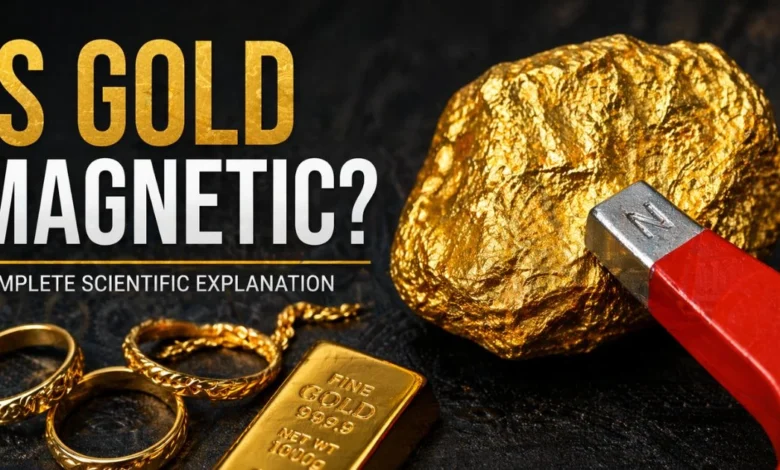
The question is gold magnetic is one of the most common inquiries among jewelry owners and precious metal investors worldwide. In its purest form, 24-karat gold is a noble metal that does not exhibit any magnetic properties under normal conditions. Scientifically, it is a “diamagnetic” material, meaning it should show zero physical attraction when held near a powerful magnet. However, most daily-wear jewelry is not made of pure gold because the metal is too soft to hold its shape. Consequently, manufacturers create alloys by mixing gold with other metals that might behave differently in a magnetic field. This is exactly why testing your items to see if gold is magnetic has become such a vital skill for spotting fakes.
5 Best Ways to Spot Fake Gold Fast
Knowing is gold magnetic is the quickest way to verify your jewelry, but combining it with these five professional methods ensures 100% accuracy. Since pure gold is diamagnetic, it should never stick to a magnet, making this the primary filter for catching cheap iron-based fakes. However, because scammers also use non-magnetic metals like brass or lead, you must look for hallmarking stamps, perform a density test in water, or check for skin discoloration. Using these fast-acting tests together will help you confirm if your gold is magnetic or truly authentic without needing expensive lab equipment.
- The Magnet Test: Hold a strong neodymium magnet near the item; pure gold will not stick or show any attraction.
- Check for Hallmarks: Use a magnifying glass to find official purity stamps like 24K, 18K, or 585 on the metal’s surface.
- The Float Test: Drop the item into a jug of water; real gold is dense and will sink immediately to the bottom.
- Vinegar Reaction: Apply a few drops of vinegar; authentic gold will not change color, while fakes will turn black or green.
- Skin Discoloration: Wear the jewelry for a few hours; if it leaves a green or dark mark on your skin, it is likely a fake alloy.
The Scientific Reason Why Pure Gold Ignores Magnets
To understand is gold magnetic, we must look at the atomic structure of the element, where every electron is paired within its orbits. In magnetic materials like iron, unpaired electrons create a magnetic moment that aligns with external fields, but gold’s stable configuration prevents this alignment. This fundamental chemical property is why gold remains indifferent to magnets, regardless of how strong the magnetic pull might be in a laboratory setting.
Because of this, the magnet test has become a popular, though not foolproof, “first line of defense” for identifying counterfeit items. If a solid-looking gold bar sticks firmly to a magnet, it is an immediate sign that the core is made of a much cheaper, magnetic base metal.
How Alloys Affect Whether Your Gold Is Magnetic
When people ask is gold magnetic, they are often surprised to find that their 10K or 14K jewelry shows a slight reaction. This happens because gold is frequently alloyed with metals like nickel, cobalt, or iron to increase its strength or change its color to white or rose gold. Nickel, in particular, is a ferromagnetic metal, and if it is present in high enough concentrations, it can cause the entire piece to be attracted to a magnet.
Therefore, a magnetic reaction doesn’t always mean your jewelry is “fake,” but it does suggest that the purity level is lower or that specific magnetic alloys were used in the manufacturing process. Understanding these nuances helps you evaluate your collection with more accuracy and less panic when a magnet makes contact.
Why White Gold Might React to Magnets
White gold is often the reason for confusion regarding the question is gold magnetic because of its specific plating and alloy mix. To get that bright, silvery finish, white gold is usually mixed with nickel or palladium and then plated with rhodium. If the nickel content is high, your white gold ring might show a faint pull toward a strong magnet, which is technically normal for certain lower-karat versions. However, if the pull is aggressive, it may indicate that the piece is actually made of steel or iron with a thin gold coating.
The Role of Jewelry Clasps and Springs
Sometimes the answer to is gold magnetic isn’t about the gold itself, but the hidden components inside the jewelry. Most gold chains and bracelets use “lobster claws” or spring rings that contain a tiny steel spring inside the mechanism to make it functional. Even if the chain is 100% pure 18K gold, that tiny internal spring will stick to a magnet, often leading people to believe their entire necklace is counterfeit. Always test the middle of the chain or the solid part of a pendant rather than the clasp to get an accurate reading.
Quick Comparison: Purity vs. Magnetic Reaction
| Gold Type | Typical Composition | Is Gold Magnetic? | Common Result |
| 24K Pure Gold | 99.9% Gold | No | No movement or attraction. |
| 18K Yellow Gold | Gold, Copper, Silver | No | Should not stick to magnets. |
| 14K White Gold | Gold, Nickel, Zinc | Sometimes | May show a very slight pull. |
| Gold Plated | Gold over Steel/Iron | Yes | Sticks firmly to the magnet. |
Industry Secrets: Using Magnets to Spot Counterfeits
In the professional world of scrap metal and pawn shops, knowing is gold magnetic helps experts quickly filter out low-quality fakes before moving to expensive acid tests. Scammers often use lead or brass (which are also non-magnetic) to mimic gold, but they frequently use iron-based cores because they are cheap and heavy. While a magnet will catch an iron-based fake instantly, it is important to remember that it won’t catch a brass fake, as brass is also non-magnetic.
This is why the magnet test is just one part of a multi-step verification process that includes checking hallmarks, measuring density, and performing XRF (X-ray fluorescence) scans. Being aware of these industry standards ensures that you are not misled by a single test when verifying if your gold is magnetic or not.
Factors That Cause a False “Magnetic” Reading
If you are still wondering is gold magnetic because your item is acting strange, consider the environment and the tools you are using. Extremely powerful neodymium magnets can sometimes create “eddy currents” in highly conductive metals like gold and silver, causing a temporary resistance that feels like a “drag” rather than a “stick.” This is a physics phenomenon called Lenz’s Law and does not mean the metal is actually magnetic in the traditional sense.
Furthermore, dirt, grime, or metallic residue on the surface of an old coin can sometimes cause a tiny bit of attraction that disappears once the item is professionally cleaned. Always ensure your testing surface is clean and that you are using a genuine rare-earth magnet for the most reliable results.
FAQs
Is gold magnetic in its 24-karat pure state?
No, pure 24K gold is not magnetic. It is a diamagnetic metal, meaning it does not get attracted to magnets and instead very weakly repels magnetic fields.
Why does my 10K gold chain stick to a magnet?
If your gold chain reacts to a magnet, it likely contains magnetic metals like nickel or iron. In many cases, the clasp may include a small steel spring, which causes the magnetic effect.
Can a magnet help me identify fake gold coins?
Yes, a magnet can help you quickly detect fake gold made from iron or steel. However, it is not foolproof—materials like brass or lead are non-magnetic and can still appear similar to real gold.
Is white gold more likely to be magnetic than yellow gold?
Yes, white gold is more likely to show slight magnetism because it often contains nickel, a magnetic metal used to enhance strength and give it a white color.
Does real gold repel magnets?
Technically yes. Real gold weakly repels magnetic fields because it is diamagnetic. However, this effect is extremely subtle and cannot be seen without specialized laboratory equipment.
Conclusion
To summarize the debate on is gold magnetic, we can conclude that while pure gold is never magnetic, the practical reality of jewelry alloys means you might encounter some slight attraction. Using a magnet is a brilliant, cost-effective way to perform a quick check at home, but it should never be your only method of verification. By combining the magnet test with an understanding of hallmarks and metal density, you can confidently manage your jewelry collection and avoid the traps of counterfeit sellers. Always remember that when in doubt, a professional jeweler is your best resource for a definitive answer regarding the purity and value of your precious metals.