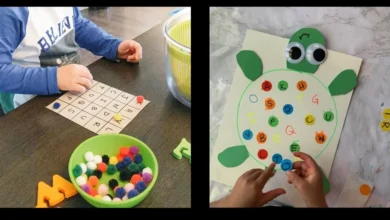
Preschool Classroom Activities: The Complete Guide to Engaging Early Childhood Learning
un, Creative and Educational Activity Ideas That Help Preschool Kids Learn Faster
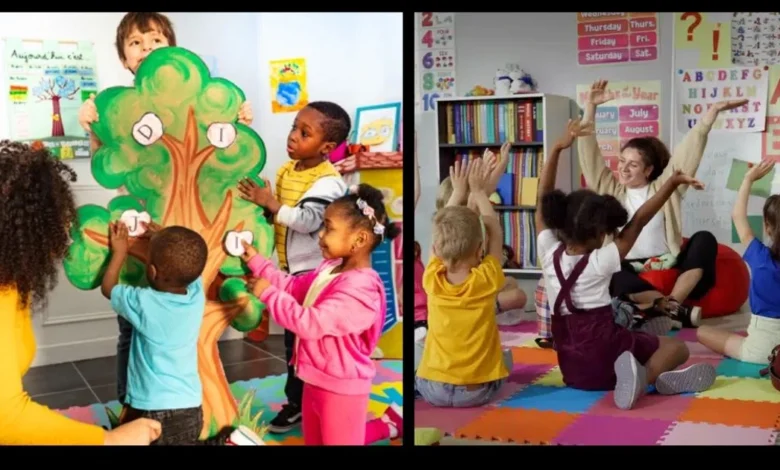
Preschool classroom activities play a crucial role in shaping the early learning experiences of young children. During the preschool years, children develop foundational cognitive, social, emotional, and physical skills that influence their future academic success. Well-structured classroom activities help children explore language, numbers, creativity, and problem-solving through play-based learning.
These activities become more effective when teachers follow a well-designed curriculum, which highlights the Importance of Curriculum in Education in shaping meaningful learning experiences.
Teachers and parents who incorporate engaging preschool learning activities can create an environment where curiosity thrives and children develop confidence in their abilities.Preschool Classroom Activities play a vital role in early childhood development and structured learning.
In modern early childhood education, preschool activities are not just about keeping children busy. Instead, they focus on meaningful learning experiences that support literacy, creativity, collaboration, and critical thinking. From hands-on experiments to storytelling sessions, preschool activities allow children to learn by doing rather than memorizing information. Educators often combine structured lessons with playful exploration to ensure that learning remains both enjoyable and effective.
Another important factor in preschool learning is consistency and organization. Teachers who plan lessons carefully can guide children through a balanced schedule that includes literacy development, science exploration, art projects, and physical movement. When activities are aligned with a thoughtful curriculum, children gain deeper understanding and gradually build new skills. Effective classroom activities also help teachers assess progress and adjust their teaching strategies to support each child’s developmental needs.
Parents who homeschool or run small learning groups can also benefit from using structured preschool classroom activities. Whether in a traditional classroom or a home-based learning environment, the goal remains the same: helping children build essential skills while nurturing curiosity and imagination. By incorporating engaging learning experiences such as storytelling, sensory exploration, and interactive games, educators can make early childhood education both meaningful and memorable.
Why Preschool Classroom Activities Are Important for Early Learning?
Preschool Classroom Activities serve as the foundation of early childhood development and active learning.
Preschool classroom activities serve as the building blocks of early childhood education. Young children learn best through active participation, which means they need opportunities to explore, question, and experiment with their environment. Activities designed for preschool learners encourage curiosity and help children develop the confidence to express their ideas. When teachers provide engaging tasks that combine movement, creativity, and discussion, children naturally absorb new concepts while enjoying the learning process.
Early learning activities also support brain development during one of the most critical stages of childhood. Research shows that the first five years of life are essential for cognitive growth, language acquisition, and emotional development. Structured preschool activities stimulate different areas of the brain by encouraging children to observe patterns, solve problems, and communicate with others. These experiences strengthen neural connections and prepare children for more advanced learning in kindergarten and beyond.
Another important benefit of preschool classroom activities is social interaction. Young children often learn important life skills such as sharing, cooperation, and empathy during group activities. Circle time discussions, collaborative art projects, and storytelling sessions help children practice listening and expressing themselves respectfully. Through these shared experiences, preschoolers begin to understand teamwork and develop relationships with their peers.
Classroom activities also allow educators to observe children’s developmental progress. Teachers can identify strengths and challenges by watching how children respond to different tasks, whether they are working with letters, building structures, or participating in group discussions. By monitoring progress regularly, educators can adjust their lesson plans and provide additional support where needed. This approach ensures that each child receives personalized guidance throughout their early learning journey.
Types of Preschool Classroom Activities That Support Child Development
Effective Preschool Classroom Activities support literacy, STEM learning, creativity, and social development.
Preschool classroom activities can be divided into several categories, each designed to support a different aspect of development.Many teachers also follow structured frameworks such as Creative Curriculum Preschool to design balanced learning activities that support overall child development. Literacy activities help children recognize letters and sounds, while science experiments introduce basic concepts about the natural world. Creative art projects encourage self-expression and imagination, and physical activities support motor skill development. By balancing these different types of activities, teachers can create a well-rounded learning environment.
Educators often focus on literacy development during preschool because early exposure to language helps children develop strong reading skills later in school. Activities such as storytelling, rhyming games, and letter recognition exercises make learning fun while improving vocabulary and listening skills. Teachers frequently introduce playful exercises inspired by Alphabet Activities for Preschoolers to help children become familiar with letters through songs, puzzles, and interactive games.
Science exploration is another exciting part of preschool learning. Young children are naturally curious about how things work, which makes science activities an excellent way to encourage observation and discovery. Simple experiments involving water, magnets, plants, or colors can spark curiosity and teach children basic scientific concepts. Many teachers use ideas inspired by a Science Curriculum for Kindergarten to create structured yet playful science lessons that nurture critical thinking.
Creative expression also plays a significant role in preschool education. Art activities such as painting, drawing, and crafting allow children to communicate their thoughts and emotions visually. These experiences not only strengthen fine motor skills but also boost confidence as children learn to express themselves creatively. Teachers who integrate creative learning with structured lesson plans can provide a balanced educational experience that supports both intellectual and emotional growth.
Literacy and Language Development Activities
Language development is one of the most important goals of preschool education. During early childhood, children rapidly expand their vocabulary and begin to understand the structure of language. Classroom activities that focus on storytelling, singing, and interactive discussions help children develop communication skills and confidence. Teachers often encourage children to describe pictures, share stories, and ask questions during group activities, creating a supportive environment where language can flourish.
Phonics-based learning is particularly effective for building early reading skills. When children recognize the sounds associated with letters, they begin to understand how words are formed. Teachers frequently incorporate playful exercises inspired by Alphabet Activities for Preschoolers to help students identify letters through matching games, alphabet hunts, and interactive songs. These activities transform language learning into a fun experience that captures children’s attention.
Storytime is another powerful tool for developing literacy skills. Reading picture books aloud allows children to hear new vocabulary and observe how stories are structured. Teachers often pause during reading sessions to ask questions or encourage children to predict what will happen next in the story. These discussions improve comprehension and help children think critically about the narrative.
Writing readiness activities also support early literacy development. Preschoolers may not yet be able to write full sentences, but they can practice drawing shapes, tracing letters, and experimenting with simple writing tools. These activities strengthen hand muscles and improve coordination, preparing children for formal writing lessons in the future. By combining reading, listening, and writing exercises, teachers can build a strong foundation for lifelong language learning.
STEM and Science Activities for Preschool Learners
STEM education introduces children to the fascinating worlds of science, technology, engineering, and mathematics. Even at the preschool level, simple experiments and hands-on activities can encourage curiosity and logical thinking. Teachers often design projects that involve building structures, observing natural phenomena, or solving simple problems through experimentation. These experiences help children understand how the world works while developing essential problem-solving skills.
Hands-on experiments are especially effective for young learners because they encourage active participation. Activities such as mixing colors, exploring magnets, or growing plants allow children to observe changes and draw conclusions. Educators who follow ideas from a Science Curriculum for Kindergarten often create structured science lessons that guide children through simple investigations while allowing room for exploration and discovery.
Engineering-style activities also provide valuable learning opportunities for preschoolers. Building towers with blocks, designing bridges with craft materials, or constructing simple machines introduces children to basic engineering concepts. Through these activities, children learn about balance, stability, and creativity while improving their spatial awareness.
Teachers and homeschooling parents frequently incorporate Simple STEM Activities for Kindergarten to make science lessons both educational and entertaining. These activities often involve everyday materials such as water, paper, and household objects, making them easy to implement in both classrooms and home learning environments. By introducing STEM concepts early, educators help children develop curiosity and confidence in their ability to explore complex ideas.
Planning Effective Preschool Activities
Planning meaningful Preschool Classroom Activities ensures balanced learning outcomes throughout the school year.
Effective preschool classroom activities require thoughtful planning and organization. Teachers must consider children’s developmental stages, learning styles, and interests when designing lesson plans. A well-structured activity schedule ensures that children experience a balanced combination of literacy, science, creative expression, and physical movement throughout the day.
Many educators rely on structured lesson planning tools to maintain consistency in their teaching approach. For example, a Printable Preschool Lesson Plan Template can help teachers outline daily objectives, materials, and activity steps before entering the classroom. This level of preparation allows educators to focus on engaging with students rather than worrying about logistical details during the lesson.
Weekly planning is also essential for maintaining continuity in learning. Teachers often organize activities around weekly themes, ensuring that each day builds upon the previous lessons. Using a Weekly Preschool Lesson Plan Template makes it easier to track progress and maintain a balanced curriculum that includes both structured learning and free exploration.
Long-term planning is equally important in preschool education. Many teachers create annual schedules based on thematic learning units, which help children explore different topics throughout the year. Resources such as a Monthly List of Themes for Preschool can guide educators in designing lessons around themes like animals, seasons, transportation, or community helpers. These themes create meaningful connections between activities and help children understand how different concepts relate to each other.
Table: Examples of Preschool Classroom Activities
| Activity Type | Example Activity | Skills Developed |
| Literacy | Alphabet matching game | Letter recognition |
| Science | Growing a plant in class | Observation skills |
| Art | Painting with sponges | Creativity |
| STEM | Building towers with blocks | Problem solving |
| Social | Group storytelling | Communication |
Table: Daily Preschool Activity Schedule Example
| Time | Activity |
| 9:00 | Morning greeting and circle time |
| 9:30 | Literacy and alphabet activity |
| 10:00 | Snack break |
| 10:30 | STEM or science exploration |
| 11:00 | Creative art activity |
| 11:30 | Outdoor play and movement |
Supporting Social and Emotional Development Through Activities
Preschool classroom activities also play a major role in helping children develop emotional intelligence and social skills. Young learners often experience new emotions as they interact with peers and explore unfamiliar situations. Teachers can use group activities, storytelling, and role-playing exercises to help children understand empathy, patience, and cooperation.
Circle time discussions are particularly effective for building communication and social awareness. During these sessions, children gather in a circle to share ideas, sing songs, and discuss daily topics. Educators frequently use strategies inspired by Preschool Circle Time Activities to encourage participation and help children feel comfortable expressing their thoughts.
Another valuable aspect of social development is conflict resolution. Preschoolers may occasionally disagree with their peers during play, but these moments provide important learning opportunities. Teachers can guide children through conversations that help them understand different perspectives and find solutions together.
Activities that encourage teamwork, such as group art projects or collaborative building challenges, also strengthen social bonds among students. When children work together to achieve a shared goal, they learn the importance of communication, patience, and mutual respect.
Assessing Learning Progress in Preschool
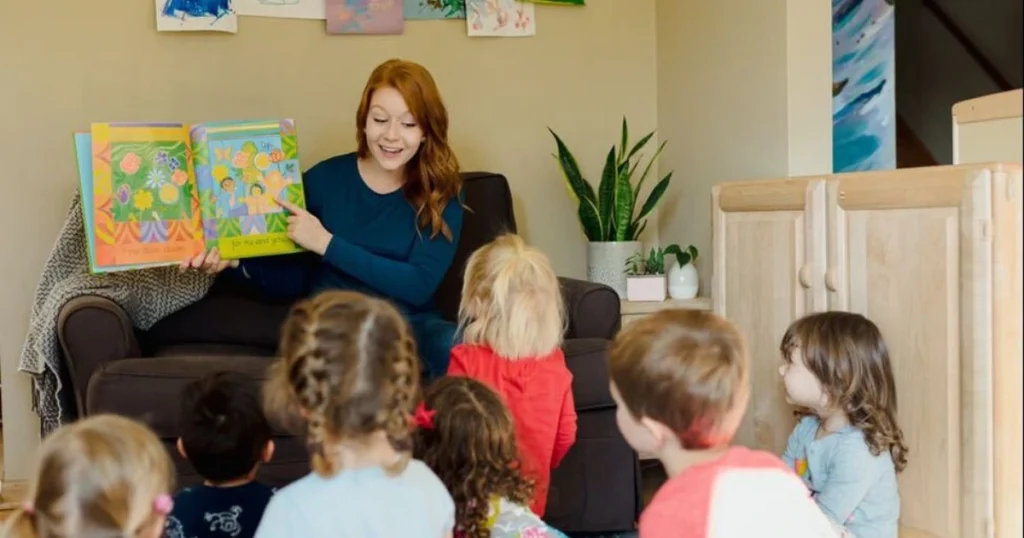
Regular assessment helps educators evaluate how effectively Preschool Classroom Activities are supporting children’s cognitive, social, and language development.
Assessment is an essential part of effective preschool education. Teachers need to understand how each child is progressing in order to provide appropriate guidance and support. Observation-based assessments allow educators to evaluate skills such as language development, motor coordination, and social interaction without placing pressure on young learners.
Many educators use structured tools such as a Free Preschool Assessment Checklist to monitor developmental milestones. These checklists help teachers track progress in areas such as communication, problem-solving, and physical coordination. By reviewing assessment results regularly, educators can adjust their lesson plans to address each child’s individual needs.
Assessment should always be supportive rather than stressful for preschoolers. Instead of formal testing, teachers can observe children during everyday activities and note how they respond to different challenges. For example, a teacher might watch how a child participates in storytelling sessions or problem-solving games to understand their learning style.
Parents can also play an important role in the assessment process. When teachers share progress reports and observations with families, parents gain valuable insight into their child’s development. This collaboration between educators and families helps create a consistent learning environment that supports children both at school and at home.
Creating a Preschool Learning Environment at Home
Many parents today choose to create structured learning experiences at home, either through homeschooling or small learning groups. Establishing a preschool learning environment at home requires careful planning, creativity, and dedication. Parents who want to guide their children’s early education can begin by organizing a dedicated learning space filled with books, art supplies, and educational toys.
Understanding the fundamentals of early childhood education is important for parents who want to create effective learning activities. Resources that explain How to Start a Preschool at Home can provide valuable insights into classroom organization, daily schedules, and teaching strategies. These guides help parents design a home environment that supports both structured lessons and creative exploration.
Homeschooling families often incorporate project-based learning into their daily routines. Activities such as gardening, cooking, and building simple structures provide practical learning experiences that reinforce academic concepts. These hands-on activities help children connect classroom knowledge with real-world situations.
Parents who follow a structured learning plan may also explore resources related to Homeschool STEM Curriculum. These programs introduce science and engineering concepts through engaging projects that encourage curiosity and experimentation. By combining structured lessons with creative exploration, parents can provide their children with a rich and rewarding early learning experience.
Frequently Asked Questions
What are the best preschool classroom activities for young children?
The best preschool classroom activities are those that combine learning with play. Activities such as storytelling, alphabet games, art projects, and simple science experiments help children develop multiple skills at once. These experiences encourage curiosity and creativity while supporting cognitive and social development.
How long should preschool activities last?
Most preschool activities should last between 10 and 20 minutes to maintain children’s attention. Young learners have shorter attention spans, so it is important to alternate between active and quiet activities throughout the day. Short, engaging lessons are more effective than long lectures.
Why are STEM activities important for preschoolers?
STEM activities introduce children to problem-solving and critical thinking skills. Simple experiments and building projects encourage curiosity and help children explore how the world works. Early exposure to STEM concepts also builds confidence and prepares children for more advanced science learning later in school.
How can teachers keep preschool students engaged during lessons?
Teachers can keep preschool students engaged by using hands-on activities, visual materials, songs, and movement. Interactive learning experiences encourage participation and make lessons more memorable. Rotating activities regularly also helps maintain excitement and curiosity.
What role do parents play in preschool education?
Parents play a crucial role in supporting early childhood education. By reading with their children, encouraging curiosity, and providing creative learning opportunities at home, parents reinforce the skills children learn in the classroom. Collaboration between parents and teachers creates a strong foundation for lifelong learning.
Conclusion
Preschool Classroom Activities form the foundation of early childhood education and play an important role in children’s cognitive, social, emotional, and creative development. When teachers and parents use thoughtfully designed activities, children experience learning as both enjoyable and meaningful. Interactive lessons, storytelling sessions, science exploration, and creative projects allow preschool learners to explore the world around them with curiosity and enthusiasm.
Effective Preschool Classroom Activities do more than develop academic skills; they also strengthen communication, teamwork, and problem-solving abilities. Activities such as alphabet recognition games, engaging STEM experiments, and creative learning environments help children gain confidence while learning new concepts. When classroom activities are organized through structured lesson planning and thematic learning, preschool students gradually develop the ability to understand more complex ideas.
It is important for both teachers and parents to make preschool learning fun and interactive. Carefully planned activities, observation-based assessments, and supportive learning environments help create a strong foundation for children’s future academic success. When educators consistently include engaging Preschool Classroom Activities in daily routines, young learners naturally develop curiosity, creativity, and a lifelong love of learning.
Consistent and engaging Preschool Classroom Activities help children build confidence, curiosity, and lifelong learning skills.