Alphabet Activities for Preschoolers: Fun and Effective Ways to Teach the ABCs
Introduction
Alphabet activities for preschoolers play a crucial role in developing early literacy skills and preparing children for reading and writing. During the preschool years, children are naturally curious and eager to explore language through play, songs, games, and hands-on experiences. By using engaging alphabet learning activities, teachers and parents can help children recognize letters, understand sounds, and develop confidence in language learning.
Many educators use ABC activities for preschool because they make learning interactive and enjoyable. Instead of memorizing letters, children learn through movement, storytelling, and creative tasks. Activities such as letter tracing activities, alphabet crafts, and playful learning games allow children to connect letters with sounds and real-life words. These experiences strengthen memory and build a strong foundation for reading development.
When planned properly, alphabet activities for preschoolers also support cognitive development, creativity, and communication skills. Preschoolers begin recognizing patterns, understanding symbols, and improving their fine motor skills while engaging in these tasks. This guide explores different types of preschool alphabet games, teaching strategies, activity ideas, and practical classroom examples that help children master the alphabet in fun and meaningful ways.
Why Alphabet Activities Are Important for Preschoolers?
Building Early Literacy Skills
One of the most important goals of preschool education is building strong early literacy skills. Alphabet learning introduces children to the concept that letters represent sounds and that words are made up of these sounds. When children practice letter recognition activities, they begin to understand how written language works.
Through consistent exposure to letters, children develop the ability to identify uppercase and lowercase letters. They also learn to associate letters with familiar objects and sounds. For example, when children learn that the letter “A” represents the sound in “apple,” they begin building phonemic awareness. These experiences gradually prepare preschoolers for reading and writing in kindergarten and beyond.
Developing Language and Communication Skills
Alphabet learning is not only about recognizing letters but also about improving vocabulary and communication. During preschool literacy activities, children interact with teachers and classmates through discussions, songs, and storytelling. These conversations strengthen language comprehension and expressive communication.
When teachers use phonics activities for preschoolers, children start connecting letters to sounds in meaningful ways. Listening to rhymes, repeating sounds, and participating in word games improves pronunciation and listening skills. Over time, these activities help children become confident speakers and early readers.
Improving Fine Motor Skills
Another benefit of alphabet learning activities is the development of fine motor skills. Preschoolers practice controlling their hands and fingers when they engage in letter tracing activities, drawing letters, cutting shapes, or creating alphabet crafts. These tasks strengthen hand muscles and coordination.
Fine motor development is essential for writing readiness. Activities such as tracing letters in sand, using crayons to outline letters, or building letters with playdough help children practice writing movements in a fun and stress-free way. As their motor skills improve, children gain confidence in forming letters and expressing ideas through writing.
Types of Alphabet Activities for Preschoolers
Letter Recognition Activities
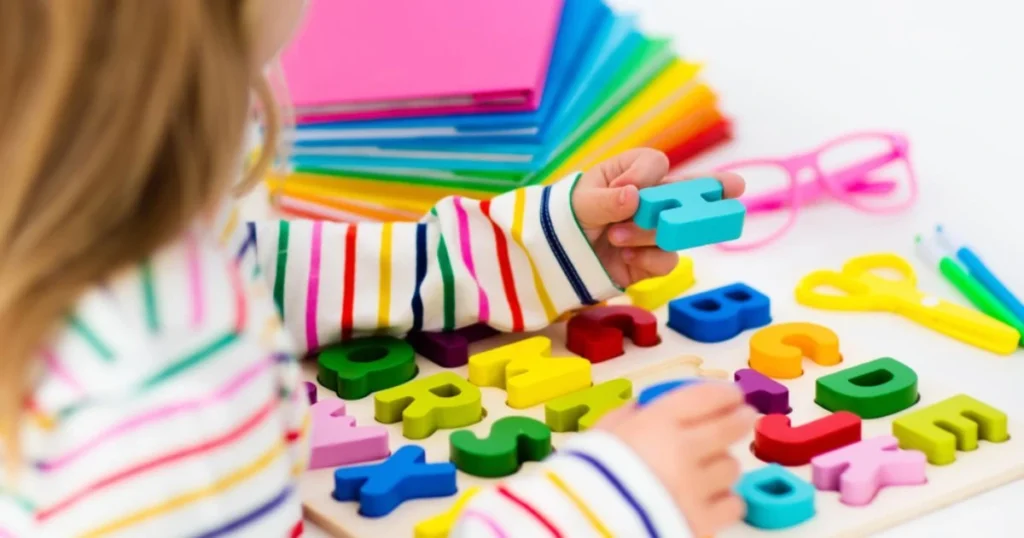
One of the first steps in alphabet learning is helping children identify and recognize letters. Letter recognition activities allow preschoolers to see, hear, and interact with letters in different contexts.
Teachers often use flashcards, puzzles, and matching games to reinforce recognition skills. For example, a teacher might display several letter cards and ask children to match them with pictures that start with the same letter sound. These simple activities help children remember letters while developing observation and memory skills.
Interactive games also play a major role. In many classrooms, teachers organize alphabet hunts where children search for hidden letters around the room. These playful experiences turn learning into an adventure and keep children engaged.
Hands-On Alphabet Learning Activities
Hands-on learning helps preschoolers explore letters using touch, movement, and creativity. These alphabet learning activities involve physical interaction with materials such as clay, sand, paper, and craft supplies.
One popular activity is creating letters with playdough. Children roll the dough into shapes to form letters, which helps them understand letter structure. Another effective method is writing letters in sand trays, where children trace letters with their fingers. These activities allow preschoolers to learn letters through sensory experiences.
Hands-on activities also encourage problem-solving and creativity. When children build letters with blocks or arrange objects to form shapes, they develop spatial awareness and critical thinking skills.
Fun Preschool Alphabet Games
Interactive games are an important part of Alphabet Activities for Preschoolers because they keep children excited about learning. When students enjoy learning, Alphabet Activities for Preschoolers become more effective.
Interactive Alphabet Games
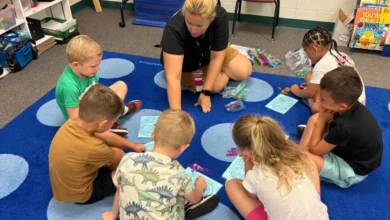
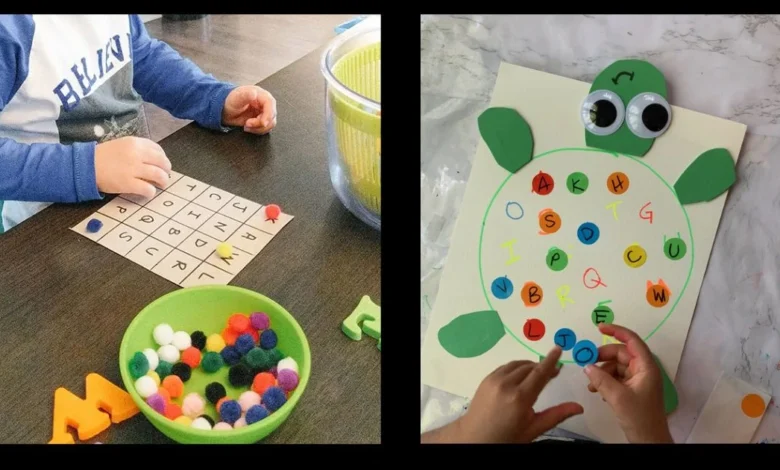
Preschool alphabet games make learning exciting and memorable. Games encourage participation and help children practice letter skills without feeling pressured. One example is Alphabet Bingo, where children match letters on their cards with those called by the teacher.
Another engaging activity is the Alphabet Hop Game. Teachers place letter cards on the floor, and children jump to the letter called out by the teacher. This game combines movement with learning and helps children remember letters through physical activity.
These games also promote social interaction. Children learn to take turns, listen carefully, and cooperate with classmates. As a result, they develop both academic and social skills.
Alphabet Scavenger Hunt
A scavenger hunt is one of the most exciting ABC activities for preschool. Teachers hide letter cards around the classroom or playground and ask children to find them. Once a child finds a letter, they say its name and a word that starts with that letter.
This activity builds excitement while reinforcing letter recognition and vocabulary. It also encourages teamwork and communication. Children become active participants in their learning, which improves retention and motivation.
Alphabet Crafts for Preschool
Creative Alphabet Craft Projects
Alphabet crafts for preschool combine art and learning, making lessons both creative and educational. Children can create letter collages using colored paper, stickers, or magazine cutouts. For example, they might decorate the letter “B” with pictures of balls, birds, and butterflies.
Craft projects allow children to express creativity while practicing letter recognition. They also strengthen fine motor skills as children cut, glue, and arrange materials. Teachers often display these crafts in the classroom to celebrate student learning and boost confidence.
Letter-Themed Art Activities
Art projects can also connect letters with themes or stories. For example, during a lesson on the letter “F,” children might create a fish craft using paper plates and paint. These projects make letters more meaningful because they relate to real-life objects and experiences.
Through alphabet crafts for preschool, children develop imagination, patience, and attention to detail. At the same time, they strengthen their understanding of letters and sounds.
Phonics Activities for Preschoolers
Connecting Letters and Sounds
Phonics activities for preschoolers help children understand the relationship between letters and sounds. This connection is essential for reading development. Teachers often introduce phonics through songs, rhymes, and repetition.
For example, a teacher might sing a song emphasizing the sound of the letter “S,” such as “S is for snake.” Children repeat the sound while making a snake movement with their hands. This multisensory approach helps children remember sounds more effectively.
Sound Matching Games
Sound matching games are another effective strategy. In this activity, children match objects or pictures with the letter that represents their beginning sound. For example, a picture of a cat would match the letter “C.”
These games strengthen listening skills and phonemic awareness. When children consistently practice these activities, they begin to recognize patterns in language and develop confidence in reading.
Weekly Alphabet Learning Plan
The following table shows a simple weekly plan that teachers or parents can use for alphabet learning.
| Day | Activity | Learning Focus |
| Monday | Letter tracing worksheets | Letter recognition |
| Tuesday | Alphabet songs and rhymes | Phonics awareness |
| Wednesday | Alphabet crafts | Creativity and motor skills |
| Thursday | Alphabet scavenger hunt | Vocabulary and memory |
| Friday | Storytime with alphabet books | Language development |
This structured approach ensures children practice multiple alphabet learning activities throughout the week.
Preschool Literacy Activities That Support Alphabet Learning
Storytelling and Reading
Storytime is an essential part of preschool literacy activities. When teachers read alphabet books, children learn how letters appear in words and sentences. Listening to stories improves comprehension and vocabulary.
Teachers can pause during reading to highlight letters and sounds. For example, when reading a book about animals, the teacher might ask children to find the letter “A” in the word “alligator.” These interactions make reading more engaging and educational.
Singing Alphabet Songs
Music is another powerful tool for learning. Singing the alphabet song helps children memorize the sequence of letters and recognize their rhythm. Many classrooms also use action songs where children move their bodies while singing.
These activities combine music, movement, and repetition, making them highly effective for young learners.
Alphabet Learning Activities for Home
Simple Activities Parents Can Use
Parents play an important role in reinforcing alphabet activities for preschoolers at home. Simple activities like using refrigerator magnets, drawing letters with chalk, or playing alphabet matching games can strengthen learning.
These activities do not require expensive materials. Everyday objects such as toys, books, and household items can become learning tools. For example, parents can ask children to find objects that start with a certain letter sound.
Outdoor Alphabet Learning
Outdoor learning can also support alphabet development. Children might draw letters on the sidewalk using chalk or search for objects in nature that start with specific letters. These activities combine physical play with education.
Outdoor activities also improve attention and creativity. When children explore their environment while learning letters, they become more curious and engaged.
Common Challenges in Teaching the Alphabet
Teaching the alphabet can sometimes be challenging. Some children may struggle to remember letters, while others might lose interest in repetitive activities.
One solution is to vary teaching methods. Instead of relying on worksheets alone, teachers can use games, crafts, and storytelling. Another strategy is to introduce letters gradually, focusing on a few letters each week rather than the entire alphabet at once.
Encouraging participation and celebrating progress can also motivate children. Positive reinforcement helps preschoolers build confidence and stay excited about learning.
Benefits of Alphabet Activities in Early Childhood Education
Alphabet learning provides many benefits beyond reading readiness. Children who participate in preschool alphabet games develop stronger memory, attention, and problem-solving skills. They also become more comfortable communicating with others.
Engaging alphabet learning activities encourage curiosity and creativity. Children learn that language is not only a tool for communication but also a way to explore ideas and express emotions.
These early experiences build a strong educational foundation. When children enter kindergarten with solid alphabet knowledge, they are better prepared to learn reading, writing, and other academic subjects.
Alphabet Activities for Preschoolers help children learn letters through fun and engaging experiences. These Alphabet Activities for Preschoolers build strong early literacy skills and improve letter recognition.
Frequently Asked Questions
What are alphabet activities for preschoolers?
Alphabet activities for preschoolers are interactive learning tasks that help children recognize letters, learn sounds, and develop early reading skills.
How do alphabet games help preschool learning?
Alphabet games make learning fun and engaging, helping children practice letter recognition and phonics while developing social and cognitive skills.
What are some examples of ABC activities for preschool?
Examples include alphabet scavenger hunts, letter tracing worksheets, alphabet songs, matching games, and alphabet crafts.
Why are phonics activities important for preschoolers?
Phonics activities teach children the relationship between letters and sounds, which is essential for reading and spelling development.
How can parents teach the alphabet at home?
Parents can use simple games, alphabet books, drawing activities, and everyday objects to help children practice letter recognition and sounds.
Conclusion
Alphabet activities for preschoolers provide a powerful foundation for language development and early education. Through engaging ABC activities for preschool, children learn to recognize letters, understand sounds, and develop confidence in communication. Activities such as letter tracing activities, preschool alphabet games, and alphabet crafts for preschool make learning enjoyable and meaningful.
By combining play-based learning with structured preschool literacy activities, teachers and parents can create a supportive learning environment that encourages curiosity and creativity. When children experience consistent and engaging alphabet instruction, they build the essential early literacy skills needed for future academic success.
With the right mix of alphabet learning activities, phonics instruction, and creative exploration, preschoolers can develop a lifelong love for language and learning.
Flash Topic