Science Curriculum for Kindergarten: A Complete Guide for Teachers and Homeschoolers
Hands-On Learning Plan for Life, Physical & Earth Science
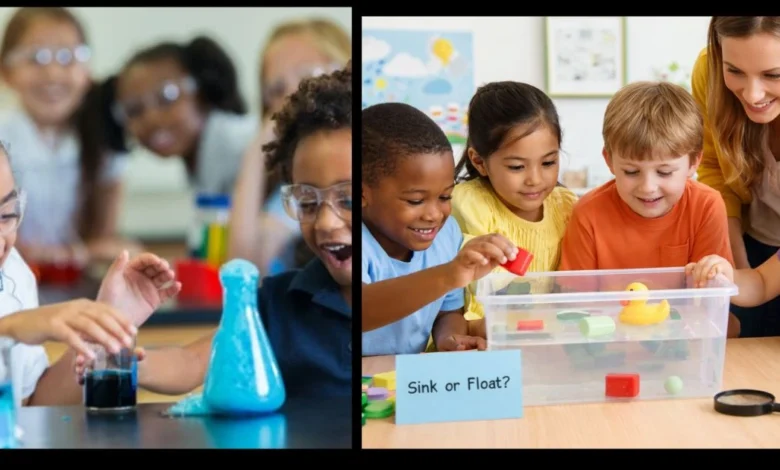
A well-designed science curriculum for kindergarten builds curiosity, strengthens observation skills, and lays the foundation for lifelong scientific thinking. At this stage, children are naturally inquisitive and eager to explore the world around them. An effective curriculum channels that curiosity into structured, hands-on learning experiences. Instead of memorizing facts, kindergarten students learn by observing, questioning, and experimenting.
A balanced science program integrates life science, physical science, and earth science in developmentally appropriate ways. When implemented correctly, kindergarten science becomes an exciting journey of discovery rather than a formal academic subject.
What Is a Science Curriculum for Kindergarten?
A Science Curriculum for Kindergarten is a structured plan that introduces young learners to basic scientific concepts.
A science curriculum for kindergarten is a structured plan that introduces young learners to basic scientific concepts through exploration and play. It focuses on inquiry-based learning, where children ask questions and investigate answers through hands-on activities.
The curriculum is designed to match their cognitive and developmental level. Rather than complex theories, students explore simple ideas like plants growing, weather changing, and objects sinking or floating. Lessons are interactive and often involve observation, drawing, sorting, and discussion. This early exposure helps children build confidence in thinking critically and expressing their ideas.
Why Science Is Important in Kindergarten?
Science education in kindergarten supports more than academic growth; it nurtures essential life skills. Children develop problem-solving abilities by experimenting and testing ideas. They strengthen language skills by describing observations and asking questions.
Science activities also improve fine motor skills through hands-on exploration and recording findings. Early science instruction encourages curiosity, which is a key driver of lifelong learning. When children are allowed to explore safely and creatively, they develop independence and resilience.
Core Areas of a Kindergarten Science Curriculum
A comprehensive science curriculum for kindergarten covers several foundational domains. Each area introduces age-appropriate concepts that connect to everyday experiences. By exploring multiple branches of science, students gain a well-rounded understanding of the natural world. These domains should be introduced gradually and reinforced throughout the school year. Integrating themes across subjects enhances understanding and retention. Consistency and repetition help solidify core scientific vocabulary.
Life Science for Kindergarten
Life science introduces children to living organisms and their environments. Students learn about plants, animals, and the basic needs of living things. Lessons may include planting seeds, observing growth, and discussing habitats. Comparing living and non-living objects strengthens classification skills. Exploring the human body at a basic level helps children understand health and self-care. Life science units are often the most engaging because they connect directly to children’s daily experiences.
Physical Science Foundations
Physical science in kindergarten focuses on simple properties of matter and forces. Students explore concepts such as push and pull, light and shadows, and magnetism. Activities like testing which objects are magnetic encourage experimentation. Exploring solids and liquids introduces basic states of matter in an accessible way. Children learn by touching, observing, and describing physical properties. These hands-on experiences form the basis for more advanced scientific thinking later on.
Earth and Space Science Concepts
Earth and space science helps children understand their environment and natural patterns. Topics may include weather changes, seasons, and the difference between day and night. Observing the sun and moon introduces simple space awareness. Discussing landforms such as mountains and rivers builds geographic understanding. Recording daily weather patterns teaches children to notice trends and patterns. These activities promote observation and long-term thinking skills.
Learning Objectives in Kindergarten Science
Clear learning objectives guide an effective science curriculum for kindergarten. Students should be able to ask simple scientific questions and make predictions. They learn to observe carefully and describe what they see. Drawing pictures of experiments helps them record findings. Using basic scientific vocabulary strengthens communication skills. Over time, these objectives help children become confident, independent learners.
Sample Yearly Science Curriculum Plan
A yearly plan ensures that all major topics are covered systematically. Teachers often organize science instruction by monthly themes. For example, the school year may begin with scientific tools and observation skills. Autumn months might focus on plants and animals, while winter units explore weather and matter. Spring lessons often emphasize life cycles and environmental awareness. Planning ahead allows for smooth transitions between units and consistent skill development.
Weekly Kindergarten Science Lesson Structure
A structured weekly plan keeps lessons organized and purposeful. The first day may introduce the topic through discussion and questioning. The second day often involves a hands-on experiment or exploration. Midweek lessons can focus on drawing observations and learning key vocabulary. Later sessions may include review activities or simple assessments. This balanced structure ensures that students both explore and reflect on their learning.
Hands-On Science Activities for Kindergarten
Hands-on activities are central to an effective science curriculum for kindergarten. Growing a plant from seed teaches responsibility and observation skills. A sink-or-float experiment introduces prediction and testing. Magnet exploration encourages classification and comparison. Shadow tracing activities help children understand light and movement. Creating a classroom weather chart builds pattern recognition over time.
Inquiry-Based Learning in Kindergarten Science
Inquiry-based learning encourages children to think like young scientists. Instead of giving direct answers, teachers ask guiding questions. Students are encouraged to predict outcomes before conducting experiments. Open-ended discussions allow children to express their reasoning. Exploration centers provide opportunities for independent investigation. This approach builds confidence and critical thinking skills at an early age.
Assessment in Kindergarten Science
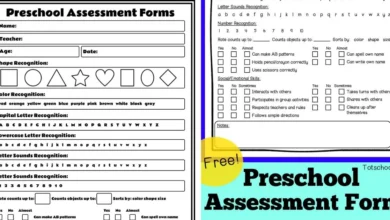
Assessment in kindergarten science should be observational and developmentally appropriate. Teachers can use checklists to monitor participation and understanding. Student drawings and verbal explanations demonstrate comprehension. Simple projects allow children to showcase learning creatively. Portfolios can document progress over time. Effective assessment focuses on growth rather than perfection.
Materials Needed for a Strong Science Curriculum
Basic materials can support a wide range of science activities. Magnifying glasses encourage close observation of nature. Measuring cups and containers help explore volume and comparison. Chart paper supports group discussions and data recording. Nature collections such as leaves and rocks provide real-world exploration opportunities. Simple tools allow students to interact with their environment safely and effectively.
How to Create Your Own Science Curriculum for Kindergarten?
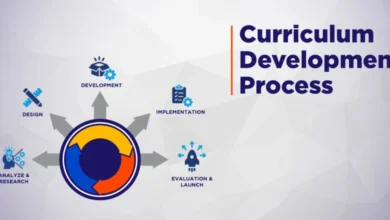
Creating a personalized curriculum begins with identifying learning goals. Teachers should align lessons with early childhood science standards when possible. Choosing engaging themes ensures consistent interest throughout the year. Planning hands-on activities keeps instruction interactive. Including opportunities for assessment supports measurable progress. A well-organized pacing guide ensures balanced coverage of all core topics.
Homeschool Kindergarten Science Curriculum Tips
Homeschool parents can design flexible and meaningful science lessons. Outdoor exploration offers natural learning opportunities. Everyday experiences such as cooking or gardening become science lessons. Using household materials keeps experiments affordable and accessible. Maintaining a simple routine provides structure while allowing creativity. Homeschool science can be both structured and spontaneous.
Common Mistakes to Avoid
Overloading students with too much information can reduce engagement. Worksheets should not replace hands-on exploration. Ignoring children’s questions limits curiosity and creativity. Skipping review sessions may weaken retention. Failing to connect lessons to real-life experiences reduces relevance. Avoiding these mistakes ensures a stronger and more effective science curriculum.
[FAQ’s]
What are science topics for kindergarten?
Common topics include plants and animals, weather and seasons, living vs. non-living things, the five senses, basic forces (push and pull), and simple earth and space concepts like day and night.
What is the basic science curriculum?
It typically covers life science, physical science, and earth science using hands-on activities, questioning, and age-appropriate investigations.
How to teach a 5 year old science?
Use simple experiments, outdoor exploration, storytelling, observation activities, and open-ended questions to encourage curiosity and understanding.
Which curriculum is best for kindergarten?
A strong kindergarten curriculum integrates play-based learning, covers literacy, math, science, and social skills, and emphasizes exploration over worksheets.
What topics are covered in kindergarten?
Topics typically include reading readiness, basic math concepts, science exploration, social-emotional skills, art, physical development, and introductory writing skills.
Final Thoughts on Science Curriculum for Kindergarten
A thoughtfully designed science curriculum for kindergarten inspires curiosity and builds essential thinking skills. By focusing on exploration, observation, and discussion, educators create meaningful learning experiences. Balanced coverage of life, physical, and earth sciences ensures comprehensive development. Hands-on activities and inquiry-based learning strengthen understanding. With proper planning and flexibility, kindergarten science becomes both engaging and impactful. When curiosity is nurtured early, children develop a lifelong love for discovery and learning.
With the right Science Curriculum for Kindergarten, children develop lifelong scientific thinking skills.