Do Electric Cars Need Oil Changes? The Ultimate EV Maintenance Guide
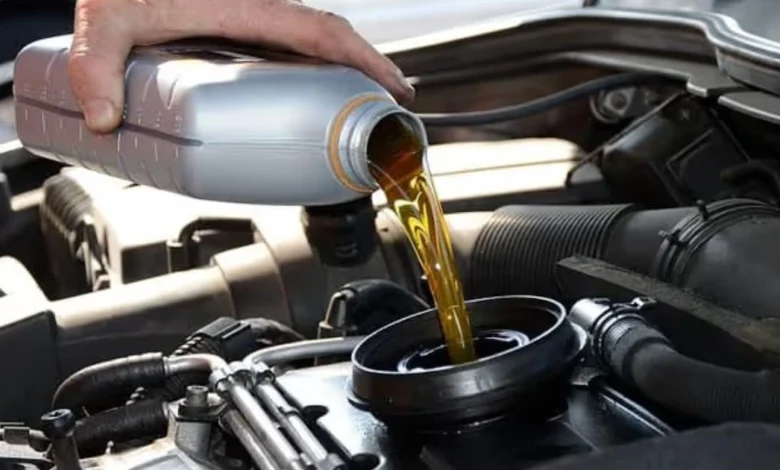
The automotive industry is witnessing a revolutionary shift as drivers move away from traditional internal combustion engines toward sustainable battery-powered vehicles. One of the most common questions for new owners is whether do electric cars need oil changes to maintain their performance and longevity. Unlike gasoline-powered vehicles that rely on thousands of moving parts and constant lubrication, electric vehicles (EVs) operate using advanced electric motors and large battery packs.
This fundamental difference in engineering eliminates the need for traditional engine oil, which is used to cool and lubricate pistons, valves, and crankshafts. Understanding this distinction is key to appreciating why the cost of ownership for an EV is significantly lower over its lifetime. This comprehensive guide will explore the mechanics of electric drivetrains and explain the essential maintenance tasks that replace the traditional oil change.
The Mechanical Reason Why EVs Skip the Lube Shop
To understand why do electric cars need oil changes is a question with a negative answer, one must look at the simplicity of an electric motor. Traditional engines generate power through controlled explosions, creating immense heat and friction that require oil to prevent the engine from seizing or melting. In contrast, an electric vehicle uses electromagnetic fields to create rotation, which involves significantly fewer moving parts and generates far less ambient heat.
Because there are no cylinders to lubricate or exhaust strokes to manage, the requirement for frequent oil filter and fluid replacements simply vanishes. This mechanical simplicity is the primary reason why EVs are often marketed as low-maintenance alternatives to their fossil-fuel-burning counterparts.
Understanding the Electric Drivetrain vs. Internal Combustion
When people ask do electric cars need oil changes, they are often confusing the cooling needs of a battery with the lubrication needs of an engine. An internal combustion engine requires a constant flow of oil to clean out carbon deposits and reduce metal-on-metal wear during high-speed operation. Electric drivetrains, however, consist of a battery, an inverter, and a motor that functions with incredible efficiency and minimal internal contact. While there are gears in an EV, they are often housed in a sealed unit that requires very different types of long-life lubricants compared to engine oil. This fundamental shift in propulsion technology effectively retires the 3,000-mile oil change interval that has defined the automotive world for decades.
The Role of Reduction Gears in Electric Vehicles
Even though the direct answer to do electric cars need oil changes is no, these vehicles still utilize specialized fluids to manage their high torque outputs. Most electric cars use a single-speed reduction gear that helps translate the motor’s high RPMs into usable wheel speed for smooth acceleration. These gears are typically lubricated with a synthetic transmission fluid or grease that is designed to last for many years, often the life of the vehicle. Unlike engine oil, which breaks down due to the byproducts of combustion, these lubricants remain clean because they are never exposed to fire or fuel. Consequently, while lubrication is still present in the system, it does not require the frequent servicing typical of a gas engine.
Essential Fluids That Every EV Owner Must Monitor
While you can stop wondering do electric cars need oil changes, you cannot ignore the other vital fluids that keep an electric vehicle safe and operational. Every EV relies on a sophisticated thermal management system that uses specialized coolant to keep the lithium-ion battery at an optimal temperature. If this coolant level drops, the battery can overheat, leading to reduced range or potential permanent damage to the expensive cells. Additionally, the hydraulic braking system in an electric car still utilizes standard brake fluid to ensure consistent stopping power during emergency situations. Regularly checking these fluid levels is a critical part of ensuring your vehicle remains reliable throughout its entire operational lifespan.
The Importance of Thermal Management Coolant
Maintaining the right temperature is the biggest challenge for modern batteries, which is why the question do electric cars need oil changes is less important than asking about coolant. Most modern EVs use a liquid-cooling loop that circulates through the battery pack and the power electronics to dissipate heat during fast charging or high-speed driving.
This coolant is a specific chemical mixture that prevents freezing in winter and boiling in summer, ensuring the battery stays within its “comfort zone.” While this fluid lasts much longer than engine oil, it should be inspected during your annual service to ensure there are no leaks in the system. Proper thermal management is the secret to extending the life of an EV battery beyond its standard warranty period.
Braking Systems and Regenerative Braking Maintenance
Another reason people wonder do electric cars need oil changes is a general concern about how moving parts are maintained in these advanced machines. Electric cars use regenerative braking, which uses the motor to slow the car down and feed energy back into the battery, significantly reducing wear on the mechanical brakes. However, the physical brake pads and rotors are still there for heavy braking, and the brake fluid that powers them can absorb moisture over time. Even if you rarely use your brake pedal, the fluid must be flushed every two to three years to prevent corrosion within the lines. This is one of the few traditional maintenance tasks that remains identical between electric and gasoline vehicles.
Comparing Maintenance Costs: EV vs. Gasoline
One of the biggest financial benefits of realizing that do electric cars need oil changes no longer applies to you is the long-term savings on service bills. Over a five-year period, the average gasoline car owner spends thousands of dollars on oil, filters, spark plugs, and timing belt adjustments that an EV owner never encounters. While EVs have a higher initial purchase price, the reduction in scheduled maintenance helps to “level the playing field” in terms of total cost of ownership.
Beyond fluids, EVs also have fewer belts and hoses that can perish or leak, leading to fewer unexpected breakdowns on the side of the road. Investing in an electric vehicle is often a decision based as much on maintenance convenience as it is on environmental impact.
Long-Term Reliability of Electric Motors
When debating do electric cars need oil changes, it is helpful to look at the million-mile potential of a well-maintained electric motor compared to a gas engine. Without the constant vibration and heat cycles of combustion, electric motors can theoretically outlast the chassis of the car they are built into. There are no valves to adjust, no fuel injectors to clog, and no mufflers to rust out, which drastically simplifies the ownership experience for the average driver.
This reliability is why many delivery fleets and taxi services are rapidly switching to electric power to maximize their uptime and profit. The absence of an oil-dependent engine is truly the greatest mechanical advantage of the modern electric vehicle age.
Tire Wear and Alignment Considerations
Although you are free from the cycle of asking do electric cars need oil changes, you must pay closer attention to your tires than a traditional car owner might. Electric vehicles are significantly heavier due to the battery packs, and the instant torque from the motor can put extra stress on the rubber tread.
To get the most out of your tires, regular rotations and alignment checks are necessary to prevent uneven wear and maintain maximum efficiency. Because tires are the only point of contact with the road, keeping them in top condition is essential for the range and safety of your electric car. Neglecting tire maintenance can quickly cancel out the savings you gained from skipping those engine oil changes.
EV vs. Gas Car Maintenance Comparison
| Feature | Electric Vehicle (EV) | Gasoline Car (ICE) |
| Engine Oil Change | Never Required | Every 5,000 – 10,000 Miles |
| Brake Wear | Low (Regenerative Braking) | High (Friction Braking) |
| Moving Parts | Approximately 20 | Over 2,000 |
| Spark Plugs/Belts | None | Requires Periodic Replacement |
| Coolant Needs | Battery Thermal Management | Engine Radiator Cooling |
(FAQs)
- Do electric cars need oil changes for the motor? No, electric motors are either brushless or use sealed bearings that do not require oil changes.
- Will an EV fail if I don’t change the gear fluid? Gear fluid is usually “fill-for-life,” but should be inspected at high mileage intervals per the manual.
- Does a Tesla require any oil at all? Teslas use grease and gearbox fluid in the drive units, but they never need traditional engine oil changes.
- Why do some people say EVs have oil? Some EVs use oil as a coolant inside the motor housing, but this is a closed system and not a routine service item.
- Can I save money on maintenance with an EV? Yes, EV owners typically save about 40-50% on scheduled maintenance costs compared to gas car owners.
Conclusion
The definitive answer to whether do electric cars need oil changes is a resounding no, marking a significant milestone in automotive evolution. By removing the internal combustion engine, manufacturers have created a driving experience that is cleaner, quieter, and far easier to maintain over the long haul. While you still need to be diligent about tire rotations, brake fluid flushes, and battery coolant checks, the days of the messy and frequent oil change are over for EV drivers.
As battery technology continues to improve and charging infrastructure expands, the low-maintenance appeal of the electric car will likely remain its strongest selling point for the general public.