Rhyming Activities for Preschool: Boost Early Literacy Skills & Fun Learning
Easy Rhyming Activities for Preschool to Boost Literacy and Fun Learning
Early childhood is the perfect time to develop language and literacy skills. Rhyming activities for preschool are a fun and effective way to enhance phonemic awareness, early reading abilities, and vocabulary growth. These activities allow children to recognize sounds, patterns, and word families while engaging in enjoyable, hands-on learning experiences. Incorporating rhymes into daily routines not only improves literacy but also boosts confidence, memory, and creativity.
In this article, we explore the best preschool literacy activities, from nursery rhymes to rhyming games and storytime, showing how educators and parents can make early learning playful and effective.
Why Rhyming Activities Are Essential for Preschoolers?
Rhyming forms the foundation of reading and phonics. Preschool phonics activities often focus on helping children recognize sounds and patterns, and rhyming is one of the most natural ways to do this. Children who practice rhymes develop better early reading skills for preschoolers, as they begin to understand how words and letters correspond. Additionally, rhymes improve memory retention and listening skills, both critical for classroom success. Integrating phonemic awareness activities into play, songs, and storytime creates an interactive and joyful learning environment.
Types of Rhyming Activities for Preschool
H3: Singing and Preschool Nursery Rhymes
Singing is one of the simplest ways to introduce rhyming. Classic preschool nursery rhymes like Twinkle Twinkle Little Star or Jack and Jill teach children the rhythmic patterns of words. Through repetition and melody, children naturally identify rhyming words and sounds. These songs also enhance memory, vocabulary, and speech clarity. Incorporating movement or hand gestures can make these early childhood learning activities even more engaging.
H3: Rhyming Word Games for Kids
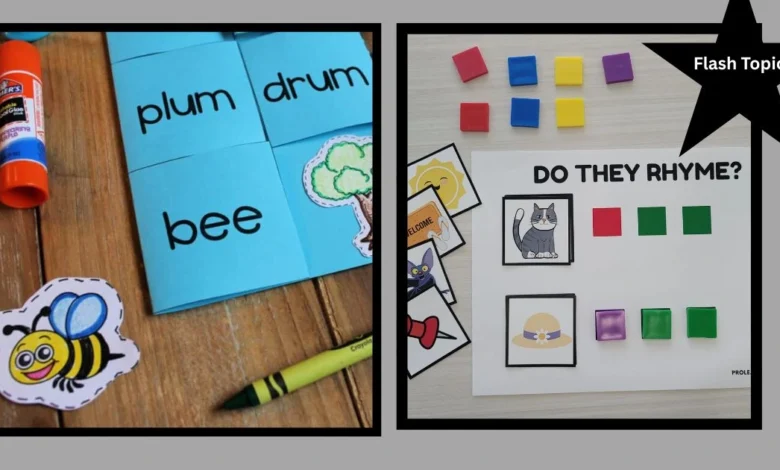
Rhyming word games for kids turn learning into play. Activities such as matching cards, “I Spy” rhymes, or rhyming treasure hunts encourage children to think critically about sounds. Teachers can set up classroom challenges where children identify words that rhyme with objects in the room. These hands-on literacy activities promote engagement, collaboration, and phonemic awareness in a playful context. Games also help children apply what they’ve learned from preschool phonics activities in real situations.
H3: Rhyming Books for Preschool
Books specifically designed with rhyme patterns are excellent tools. Rhyming books for preschool provide repetitive text that helps children predict upcoming words, reinforcing reading confidence. Storybooks with rich rhymes also expose children to new vocabulary and sentence structures. Reading aloud encourages interaction, with children repeating rhyming words and identifying patterns. Combining preschool storytime rhymes with questions or follow-up activities further strengthens early literacy skills.
H3: Hands-On Rhyming Activities
Engaging children with tactile learning boosts retention. Hands-on literacy activities like rhyming matching games, letter blocks, or rhyming crafts allow children to physically interact with words and sounds. Activities such as creating rhyming pairs with stickers or drawing rhyming pictures help visual and kinesthetic learners. These exercises support preschool literacy activities by combining sensory input with phonemic awareness. Children can also work in small groups, fostering collaboration and social skills.
How to Integrate Rhyming Into Daily Preschool Routines?
Daily routines provide multiple opportunities for rhyming activities for preschool. Teachers can incorporate rhymes during circle time, transitions, or snack time, making learning natural and consistent. Encouraging children to create their own rhymes or predict rhyming words in familiar songs can make lessons interactive. Using preschool nursery rhymes, flashcards, or storybooks ensures repetition, which strengthens early reading skills for preschoolers. By embedding rhyming into the daily schedule, educators and parents can seamlessly combine learning and fun.
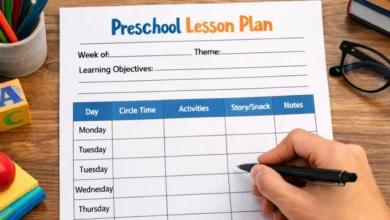
Table: Sample Weekly Rhyming Activity Schedule
| Day | Activity Type | Skill Focus |
| Monday | Singing Nursery Rhymes | Listening & memory |
| Tuesday | Rhyming Word Games for Kids | Sound recognition & vocabulary |
| Wednesday | Rhyming Books for Preschool | Predictive reading & phonics |
| Thursday | Hands-On Rhyming Crafts | Kinesthetic learning & creativity |
| Friday | Preschool Storytime Rhymes | Oral language & interaction |
Benefits of Rhyming Activities for Preschoolers
Rhyming activities for preschool offer multiple developmental advantages:
- Enhances phonemic awareness and preschool phonics activities.
- Boosts early reading skills for preschoolers, aiding smooth transitions to formal schooling.
- Improves vocabulary and comprehension through playful interaction.
- Supports social and emotional development when done in groups.
- Encourages creativity, confidence, and active participation in learning.
By incorporating preschool literacy activities regularly, children gain a strong foundation for lifelong reading and language success.
Tips for Making Rhyming Activities Engaging
- Use props, puppets, or visual aids to support preschool storytime rhymes.
- Encourage children to create their own rhymes, fostering creativity.
- Rotate activities weekly to maintain interest and engagement.
- Combine movement with rhymes for hands-on literacy activities.
- Provide immediate positive feedback to boost confidence in early childhood learning activities.
(FAQs)
1. What are some easy rhyming activities for preschoolers?
Singing nursery rhymes, rhyming word games, and rhyming crafts are simple and effective for preschoolers.
2. How do rhyming activities help with reading skills?
Rhyming builds phonemic awareness, helping children identify sound patterns, which is essential for reading.
3. Can rhyming activities be done at home?
Absolutely. Parents can use songs, books, and rhyming flashcards to create a fun learning environment.
4. What are the best books for rhyming practice?
Books with repetitive rhymes like Chicka Chicka Boom Boom or Brown Bear, Brown Bear are excellent choices for preschoolers.
5. How long should preschool rhyming activities last?
Short, frequent sessions of 10–15 minutes are ideal to maintain attention and maximize learning.
Conclusion
Rhyming activities for preschool are essential for building foundational literacy skills. They develop phonemic awareness, early reading skills for preschoolers, and vocabulary while keeping learning playful and engaging. Incorporating preschool nursery rhymes, rhyming word games for kids, rhyming books for preschool, and hands-on literacy activities ensures a well-rounded approach.
By integrating rhymes into daily routines and using interactive tools, educators and parents can foster a love for language in preschoolers. These preschool literacy activities not only prepare children for school but also enhance creativity, confidence, and social skills, making early learning a joyful experience.
Consistently including rhyming activities for preschool ensures children develop strong early literacy skills while having fun every day.