Fine Motor Activities for Preschoolers: 40+ Fun Ways to Strengthen Early Skills
Creative & Engaging Motor Skills Activities for Early Learners
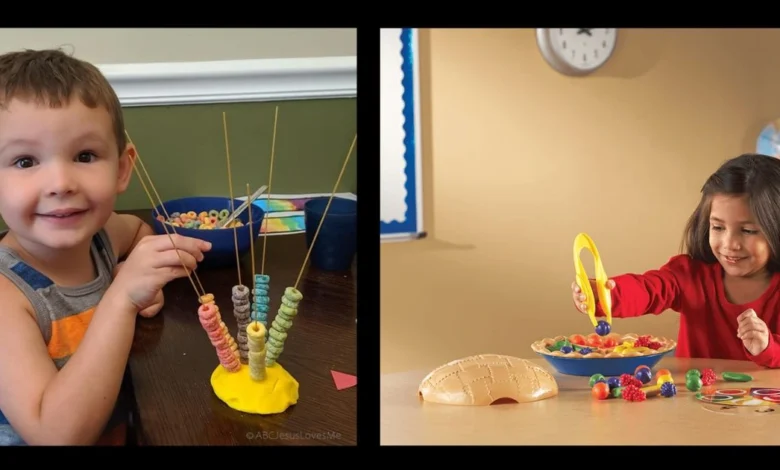
Early childhood is a critical stage of development when children build the physical and cognitive foundations needed for future learning. One of the most important areas of development during these years is fine motor coordination. Fine Motor Activities for Preschoolers help young children strengthen the small muscles in their hands, fingers, and wrists, which are necessary for tasks like writing, drawing, buttoning clothes, and using everyday tools. When these skills are developed through play-based learning, children gain both confidence and independence.
Along with fine motor activities, you can explore a variety of preschool classroom activities to make learning even more engaging.
Parents and teachers often introduce preschool fine motor skills activities to encourage coordination, control, and creativity. These activities may include threading beads, manipulating clay, stacking blocks, or sorting small objects. Each task encourages children to practice precise movements while also stimulating problem-solving and concentration. As preschoolers repeat these exercises regularly, they gradually develop better control over their hand movements.
Incorporating fun motor skills activities for kids into everyday learning routines also helps children build patience and focus. Whether they are completing puzzles, creating craft projects, or playing with sensory materials, preschoolers benefit from activities that require careful manipulation of objects. Over time, these experiences strengthen both physical skills and cognitive development, preparing children for more complex academic tasks in school.
Understanding Fine Motor Skills in Early Childhood Development
Fine motor skills refer to the ability to use the small muscles in the hands and fingers to perform precise movements. These skills develop gradually during early childhood and are essential for performing many daily tasks. Activities such as holding a pencil, cutting with scissors, and tying shoelaces all rely on well-developed fine motor control.
Introducing Fine Motor Activities for Preschoolers early allows children to strengthen these muscles through play and exploration. During the preschool years, children experience rapid development in coordination and dexterity. When educators and parents provide opportunities for hands-on learning, children naturally improve their ability to grasp, pinch, twist, and manipulate objects.
These activities are also closely linked to brain development. As children perform repetitive hand movements, they build neural connections that support memory, concentration, and problem-solving abilities. For this reason, educators often incorporate preschool fine motor skills activities into early learning programs to support both physical and cognitive development.
Key Benefits of Fine Motor Activities for Preschoolers
Fine motor development offers numerous advantages for young learners. The following table highlights some of the most important benefits.
| Benefit | Description |
| Hand Strength | Strengthens the muscles needed for writing and drawing |
| Hand-Eye Coordination | Improves the ability to coordinate vision with hand movements |
| Cognitive Development | Enhances focus, memory, and problem-solving skills |
| Creativity | Encourages artistic expression through crafts and play |
| Independence | Helps children perform daily tasks without assistance |
These benefits show why Fine Motor Activities for Preschoolers are essential in both home and classroom learning environments.
Types of Fine Motor Activities for Preschoolers
Children learn best through hands-on exploration. Different types of activities target specific motor skills and encourage children to use their hands in new ways.
Art and Craft Activities
Art-based learning provides some of the most effective Fine Motor Activities for Preschoolers. Drawing, coloring, cutting paper, and painting allow children to practice precise finger movements while expressing their creativity. Holding crayons or paintbrushes helps strengthen grip and hand control.
Craft projects also encourage children to follow instructions and complete step-by-step tasks. Activities like gluing shapes, decorating greeting cards, or assembling simple paper crafts require concentration and coordination. These tasks not only improve hand strength but also foster creativity and imagination.
Many teachers use craft projects as fun motor skills activities for kids because they combine creativity with skill development. When children feel proud of their artwork, they are more motivated to continue practicing fine motor skills.
Sensory Play Activities
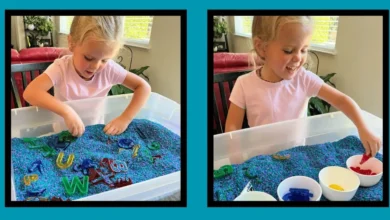
Sensory play is another powerful method for developing fine motor control. Materials such as sand, water beads, rice bins, and play dough encourage children to squeeze, mold, and manipulate objects using their hands.
These experiences provide valuable opportunities for fine motor activities for toddlers as well as preschoolers. Children can practice scooping, pouring, pinching, and shaping materials while exploring different textures. Sensory play also stimulates curiosity and creativity.
Because sensory activities are highly engaging, children often remain focused for longer periods. This extended practice strengthens hand muscles and improves coordination over time.
Building and Construction Activities
Construction toys such as blocks, magnetic tiles, and building bricks are classic preschool fine motor skills activities. These toys require children to grasp, stack, and connect pieces while maintaining balance and stability.
When children build towers or structures, they practice careful hand movements and spatial awareness. Construction play also encourages problem-solving as children experiment with different designs and shapes.
These activities are among the most popular fun motor skills activities for kids because they combine creativity, learning, and teamwork. Children often collaborate with friends to create imaginative structures, making the learning experience both social and educational.
Cutting and Tracing Activities
Learning to use scissors is an important milestone for preschool children. Cutting along lines or shapes requires strong coordination between both hands. Teachers often begin with simple straight lines before introducing curved patterns or complex shapes.
Tracing activities also play a significant role in developing fine motor control. When children trace letters, numbers, or shapes, they practice precise hand movements that prepare them for handwriting. These tasks are particularly beneficial as fine motor activities for 3 year olds, helping them gradually develop control and accuracy.
Regular practice with tracing and cutting helps children become more confident in their abilities. As their skills improve, they can handle more complex tasks with ease.
Table: Age-Appropriate Fine Motor Activities
| Age | Recommended Activities |
| 2–3 Years | Play dough squeezing, finger painting, stacking blocks |
| 3–4 Years | Threading beads, tearing paper, simple puzzles |
| 4–5 Years | Cutting shapes, tracing letters, drawing pictures |
| 5+ Years | Writing practice, craft projects, assembling small objects |
This table helps parents and educators choose appropriate Fine Motor Activities for Preschoolers based on a child’s developmental stage.
25 Fun Fine Motor Activities for Preschoolers
Below are some engaging activities that support motor skill development:
- Threading beads onto strings
- Playing with modeling clay
- Sorting buttons by color
- Using tweezers to pick up small objects
- Building towers with blocks
- Creating paper collages
- Cutting shapes with scissors
- Drawing with crayons
- Sticker placement games
- Lacing cards
- Pegboard pattern activities
- Magnetic letter sorting
- Puzzle assembly
- Sand tracing letters
- Water transfer with droppers
- Clothespin clipping games
- Finger puppet play
- Building with LEGO bricks
- Painting with cotton swabs
- Paper tearing art
- Button practice boards
- Sorting beads by size
- Craft stick building challenges
- Sponge painting
- Shape tracing activities
Each of these tasks encourages children to practice controlled movements while enjoying playful learning experiences.
Creating a Fine Motor Learning Environment at Home
Parents can easily support Fine Motor Activities for Preschoolers by creating a learning-friendly environment at home. A small table with accessible materials such as crayons, puzzles, scissors, and building blocks encourages children to practice their skills during playtime.
Rotating activities regularly helps maintain interest and excitement. For example, one week children might focus on craft projects, while the next week they explore building activities or sensory play. This variety keeps learning engaging and stimulating.
Parents should also encourage independence. Allowing children to dress themselves, pour water into cups, or open containers gives them opportunities to practice fine motor control in everyday situations.
How Teachers Integrate Fine Motor Skills in Preschool Classrooms
Preschool educators often integrate preschool fine motor skills activities into daily classroom routines. Learning centers, craft tables, and sensory stations provide opportunities for children to practice motor skills throughout the day.
Teachers also connect motor activities with academic lessons. For example, children may use counting beads for math activities or trace letters during literacy lessons. These strategies help children develop both academic and physical skills simultaneously.
By combining structured lessons with playful exploration, teachers ensure that Fine Motor Activities for Preschoolers remain engaging while supporting essential developmental milestones.
Assessing Fine Motor Skill Development
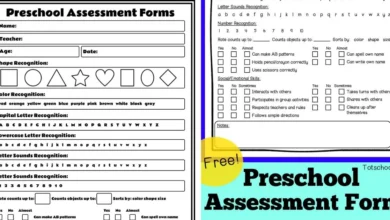
Monitoring progress is an important part of early childhood education. Teachers and parents can observe how children perform tasks such as holding pencils, cutting shapes, or manipulating small objects.
If a child struggles with these activities, additional practice with fine motor activities for toddlers or beginner exercises can help strengthen their abilities. Encouragement and patience are essential because every child develops at their own pace.
Positive reinforcement helps children feel motivated and confident. When children celebrate small achievements, they are more likely to continue practicing their motor skills.
Frequently Asked Questions
1. What are fine motor activities for preschoolers?
Fine motor activities involve tasks that use small hand and finger muscles, such as drawing, cutting, threading beads, or building with blocks.
2. Why are fine motor skills important for preschoolers?
They help children develop coordination needed for writing, drawing, dressing, and performing daily tasks independently.
3. What are some simple fine motor activities for toddlers?
Squeezing play dough, stacking blocks, finger painting, and sorting objects are excellent fine motor activities for toddlers.
4. What are the best fine motor activities for 3 year olds?
Tracing lines, bead threading, using tweezers to pick up objects, and simple puzzle games are great fine motor activities for 3 year olds.
5. How can parents improve their child’s fine motor skills at home?
Parents can provide craft materials, puzzles, building toys, and everyday tasks that encourage children to practice hand movements and coordination.
Conclusion
Developing strong motor skills during early childhood is essential for long-term academic and personal success. Fine Motor Activities for Preschoolers provide children with opportunities to strengthen hand muscles, improve coordination, and build confidence in their abilities.
Through creative crafts, sensory exploration, and hands-on learning experiences, children gradually develop the precision and control needed for writing, drawing, and daily tasks. Regular practice with preschool fine motor skills activities ensures that children build these abilities in a natural and enjoyable way.
By incorporating engaging fun motor skills activities for kids into everyday routines, parents and teachers can support healthy development and inspire a lifelong love of learning.
Consistent practice with fine motor activities for preschoolers ensures children develop precision, control, and confidence in their daily tasks.