Kindergarten Readiness Skills Checklist: Complete Guide for Parents & Teachers
A Complete Guide to Academic, Social, and Developmental Skills for School Success
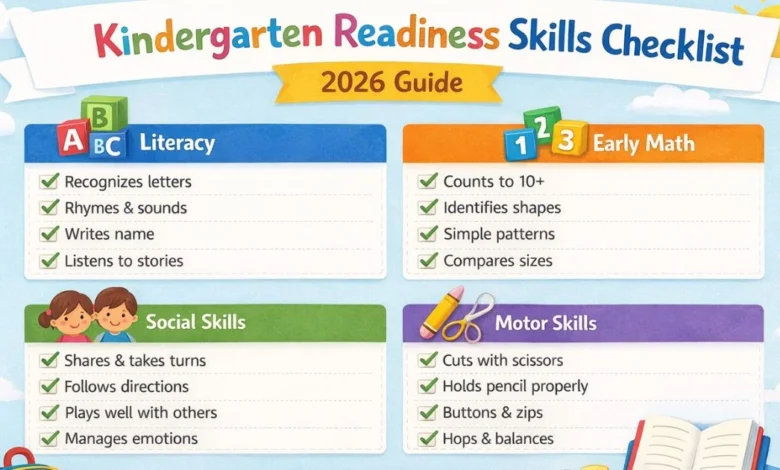
Preparing a child for kindergarten is one of the most important milestones in early childhood development. School readiness is not limited to academic knowledge; it includes emotional stability, communication ability, physical coordination, independence, and cognitive development. A well-structured Kindergarten Readiness Skills Checklist provides a comprehensive framework for evaluating whether a child is ready for structured learning in a classroom environment.
This guide explains the essential developmental domains, practical preparation strategies, and assessment methods that parents and educators can use to support a smooth transition into kindergarten.
Understanding Kindergarten Readiness
Kindergarten readiness refers to the overall developmental preparedness of a child to succeed in a structured school setting. It includes academic foundations, but also emphasizes social-emotional growth and self-regulation skills.
A professional Kindergarten Readiness Skills Checklist typically evaluates multiple domains to ensure balanced development. Rather than focusing only on reading or counting, readiness assessment looks at the whole child.
Key components of readiness include:
- Language development
- Early literacy skills
- Basic math understanding
- Emotional regulation
- Social interaction skills
- Physical coordination
- Independence and responsibility
Using a structured checklist ensures that preparation is holistic and developmentally appropriate.
Why a Kindergarten Readiness Skills Checklist Matters?
A comprehensive Kindergarten Readiness Skills Checklist helps parents identify strengths and areas that may require additional support. Early identification of developmental gaps allows families to provide targeted practice before school begins.
Benefits include:
- Reduced first-day anxiety
- Improved classroom adjustment
- Stronger academic foundation
- Better social integration
- Increased child confidence
Research in early childhood education shows that children who demonstrate balanced readiness across multiple domains adapt more successfully to structured learning environments.
Academic Readiness Skills
Academic readiness forms the foundation of early education. While kindergarten is designed for beginners, children benefit from exposure to basic literacy and numeracy concepts.
Early Literacy Development
Literacy skills support communication and reading readiness. Children preparing for school should be able to:
- Recognize most uppercase letters
- Understand that print carries meaning
- Identify rhyming words
- Listen to stories and answer simple questions
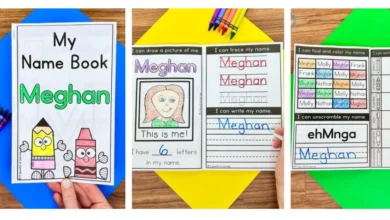
- Attempt writing their name
Daily reading activities significantly enhance vocabulary development and listening comprehension. These abilities are commonly assessed within a Kindergarten Readiness Skills Checklist.
Early Math Skills
Early numeracy skills help children develop logical thinking. Key indicators include:
- Counting objects accurately
- Recognizing numbers
- Understanding “more” and “less”
- Identifying basic shapes
- Sorting objects by category
- Recognizing simple patterns
These foundational concepts reduce frustration when formal math instruction begins.
Social and Emotional Development
Social-emotional competence is one of the strongest predictors of school success. Emotional regulation enables children to manage transitions, follow rules, and interact positively with peers.
Important skills include:
- Sharing and cooperative play
- Taking turns
- Managing frustration appropriately
- Separating from caregivers without extreme distress
- Showing empathy toward others
- Following classroom instructions
A balanced Kindergarten Readiness Skills Checklist always includes emotional and behavioral development as a core element.
Communication and Language Skills
Strong communication abilities help children participate actively in classroom discussions.
Children should be able to:
- Speak in complete sentences
- Express needs clearly
- Follow multi-step instructions
- Engage in simple conversations
- Understand basic questions
Language development supports literacy growth and is an essential part of any readiness evaluation.
Physical and Motor Development
Motor skills influence classroom participation, writing ability, and independent activity completion.
Fine Motor Skills
Fine motor development includes:
- Holding a pencil correctly
- Using scissors safely
- Coloring within boundaries
- Drawing simple shapes
- Writing their name
These skills prepare children for handwriting tasks in kindergarten.
Gross Motor Skills
Gross motor development includes:
- Running and jumping
- Climbing safely
- Balancing on one foot
- Coordinated playground activity
Physical coordination contributes to confidence and active engagement.
Independence and Executive Function Skills
Independence is critical for classroom success. Children entering kindergarten should demonstrate basic self-care abilities.
These include:
- Using the restroom independently
- Washing hands properly
- Managing lunch containers
- Dressing with minimal assistance
- Following daily routines
Executive functioning skills such as attention control, task completion, and transitioning between activities are equally important. These abilities are central components of a complete Kindergarten Readiness Skills Checklist.
How to Use a Kindergarten Readiness Skills Checklist Effectively?
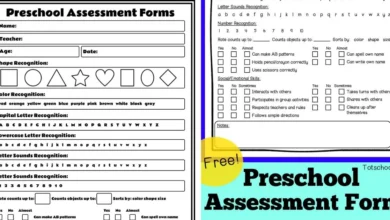
A readiness checklist should be used as an observation tool rather than a pass/fail test.
Best practices include:
- Observing skills during everyday routines
- Practicing skills through play-based learning
- Reviewing progress regularly
- Encouraging gradual improvement
- Avoiding direct comparison with other children
Consistent practice helps children build confidence and mastery over time.
Activities That Strengthen School Readiness
Families can support development using simple daily activities aligned with a Kindergarten Readiness Skills Checklist:
- Reading together every day
- Counting household items
- Engaging in puzzles and matching games
- Encouraging creative drawing and coloring
- Playing cooperative board games
These activities reinforce multiple developmental domains simultaneously.
Signs Your Child May Need Additional Support
While children develop at different rates, certain challenges may indicate the need for further evaluation:
- Difficulty following instructions
- Limited speech clarity
- Persistent separation anxiety
- Motor coordination struggles
- Short attention span
Early intervention programs and professional guidance can significantly improve developmental progress.
Final Thoughts
A structured Kindergarten Readiness Skills Checklist provides families with a clear and balanced roadmap for preparing children for school. By focusing on academic foundations, social skills, physical development, and independence, parents can ensure comprehensive readiness.
When children meet the milestones outlined in a thoughtful readiness guide, they enter kindergarten with confidence, adaptability, and a strong foundation for lifelong learning.