Preschool Circle Time Activities: Engaging Strategies for Meaningful Early Learning
Meaningful Circle Time Strategies for Early Learning Success

Preschool circle time activities play a powerful role in shaping early childhood education. They create structure, encourage social interaction, and introduce foundational academic skills in a fun and engaging way. When thoughtfully planned, circle time becomes more than a daily routine—it becomes the heart of the preschool classroom.
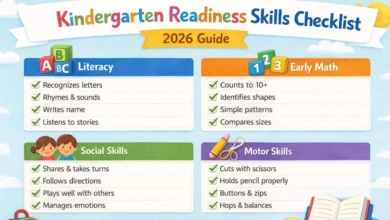
Teachers and homeschool parents can use this time to build language development, number sense, emotional awareness, and listening skills. Because young children learn best through repetition and interaction, circle time offers the perfect balance of structure and creativity. A strong circle time routine supports kindergarten readiness while making learning joyful.
What Are Preschool Circle Time Activities?
Preschool circle time activities are structured group learning experiences where children gather together to participate in shared lessons. Typically held at the beginning of the day, circle time sets expectations and establishes classroom rhythm. Children sit in a circle to promote inclusion, visibility, and participation. Activities may include songs, storytelling, calendar review, movement games, and themed discussions. This format encourages collaboration while strengthening communication skills. By consistently following a predictable routine, children feel secure and ready to learn.
Why Preschool Circle Time Activities Matter?
Circle time supports cognitive, social, and emotional growth in early learners. It teaches children how to listen carefully, follow directions, and respect turn-taking. These skills are essential for long-term academic success. Preschool circle time activities also introduce early literacy and math concepts in an interactive format. When children sing alphabet songs or count classmates aloud, they are building foundational skills naturally. Over time, consistent circle time strengthens focus, memory, and classroom behavior.
Core Components of Effective Circle Time
A successful circle time session includes multiple balanced elements. Each component supports a specific area of early development. Keeping activities varied yet structured helps maintain engagement. When teachers combine music, discussion, and hands-on interaction, children remain attentive and motivated. Consistency builds confidence, while variety prevents boredom.
Greeting and Community Building
Every circle time should begin with a warm welcome. A greeting song that includes each child’s name builds belonging and classroom connection. This routine encourages eye contact and active participation. Greeting rituals also strengthen name recognition and phonemic awareness. Children feel valued when they are acknowledged individually. Starting with positivity sets the tone for the entire day.
Calendar and Weather Exploration
Daily calendar time strengthens time awareness and sequencing skills. Children learn about days of the week, months, and seasons through repetition. Discussing the weather encourages observation and vocabulary development. Teachers can ask predictive questions to build critical thinking skills. These conversations connect learning to real-life experiences. Over time, children begin to understand patterns and seasonal changes.
Songs and Movement Integration
Music and movement are essential preschool circle time activities. Songs enhance memory retention and increase engagement. Movement breaks help children regulate energy levels and maintain focus. Action-based songs support motor coordination and listening skills. When children clap, jump, or spin while learning, they absorb information more effectively. Incorporating music creates an energetic and inclusive atmosphere.
Literacy-Focused Activities
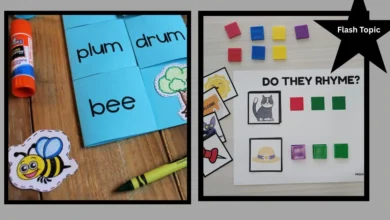
Circle time provides an excellent opportunity to build early literacy skills. Introducing a “letter of the week” strengthens alphabet recognition and phonemic awareness. Reading aloud exposes children to new vocabulary and storytelling structure. Teachers can ask comprehension questions to deepen understanding. Rhyming games and sound identification activities promote early reading readiness. Literacy-focused preschool circle time activities prepare children for future academic success.
Early Math Skill Development
Math concepts can be seamlessly woven into circle time routines. Counting children present supports number recognition and one-to-one correspondence. Pattern clapping or sorting activities build logical thinking skills. Shape identification strengthens spatial awareness. Comparing quantities introduces foundational math vocabulary such as more, less, and equal. When math is interactive, children develop confidence in problem-solving.
Themed Preschool Circle Time Activities
Using themes keeps circle time fresh and meaningful throughout the year. Seasonal themes help children connect learning to their environment. For example, a fall theme may include leaf counting and harvest songs. A winter theme can focus on snowflake shapes and weather patterns. Community helper themes introduce children to important societal roles. Themed learning increases engagement by creating relatable experiences.
Seasonal Circle Time Ideas
Seasonal activities bring variety and excitement to daily routines. Spring themes can include plant life cycles and rain songs. Summer themes may focus on ocean animals and sun safety. Autumn activities might highlight pumpkins, apples, and changing leaves. Winter discussions can explore temperature changes and holiday traditions. Rotating themes keeps preschool circle time activities dynamic and relevant.
Age-Appropriate Circle Time Strategies
Preschool circle time activities should align with children’s developmental levels. Three-year-olds benefit from shorter sessions with repetitive songs and simple instructions. Four-year-olds can handle longer discussions and basic literacy tasks. Five-year-olds are ready for deeper questioning and more structured learning segments. Adjusting complexity ensures that children remain engaged rather than overwhelmed. Differentiation supports diverse learning needs within the classroom.
How to Plan Preschool Circle Time Activities Effectively?
Planning begins with clear learning objectives. Teachers should determine whether the focus is literacy, math, social-emotional learning, or theme-based exploration. Preparing materials in advance prevents disruptions during group time. Activities should be organized in short segments to maintain attention. Visual aids, puppets, and charts enhance understanding and participation. Consistency combined with creativity results in highly effective circle time sessions.
Sample Preschool Circle Time Routine
An organized routine helps maintain flow and structure. A five-minute greeting song can begin the session. This may be followed by a calendar and weather discussion lasting another five minutes. The learning focus segment might last seven to ten minutes, covering literacy or math concepts. A movement break re-energizes the group before story time. Ending with a short closing song provides a calm transition to the next activity.
Classroom Management During Circle Time
Managing behavior during preschool circle time activities requires clear expectations. Establishing simple rules such as “quiet hands” and “listening ears” supports cooperation. Positive reinforcement encourages participation and respectful behavior. Visual cues help regain attention when focus drifts. Seating arrangements should ensure all children can see and engage with the teacher. Consistent routines reduce behavioral challenges over time.
Overcoming Common Circle Time Challenges
Some children may struggle with sitting still for extended periods. Incorporating frequent movement breaks can resolve this issue. If attention spans decrease, shortening activity segments improves engagement. Shy children benefit from gentle encouragement and supportive peer interaction. Overly energetic behavior can be managed with calming breathing exercises. Flexibility and observation allow teachers to adapt strategies effectively.
Long-Term Benefits of Preschool Circle Time Activities
Consistent circle time routines build strong communication and collaboration skills. Children develop confidence as they share ideas in a group setting. Early exposure to structured discussions improves listening and comprehension. Social-emotional learning during circle time enhances empathy and cooperation. Over time, these foundational skills support academic achievement. Preschool circle time activities create a balanced approach to holistic development.
FAQ’s
What are 5 play activities for preschoolers?
Five common play activities for preschoolers include building blocks, pretend play (such as kitchen or doctor role-play), sensory bin exploration, outdoor obstacle courses, and simple arts and crafts activities.
What do kids do during circle time?
During circle time, children sing songs, review the calendar and weather, listen to stories, practice letters or numbers, and participate in group discussions.
What is the role of circle time in preschool?
The role of circle time in preschool is to build social skills, improve listening and communication, establish daily routines, and introduce early literacy and math concepts in a structured group setting.
What are some circle time transition activities?
Circle time transition activities include short songs, clapping rhythms, countdowns, movement cues, call-and-response chants, and simple action-based prompts to help children shift smoothly between tasks.
What are some examples of circle time activities?
Examples of circle time activities include greeting songs, letter-of-the-week practice, counting games, calendar review, weather discussion, story time, and feelings check-ins.
Final Thoughts: on Preschool Circle Time Activities
Preschool circle time activities serve as the foundation of early classroom learning. They combine structure, creativity, and interaction to support multiple developmental areas. Through songs, stories, math exploration, and social discussions, children build essential life skills. Teachers and homeschool parents can adapt circle time to meet the unique needs of their learners. With thoughtful planning and consistent routines, circle time becomes a powerful daily learning experience. When implemented effectively, it prepares children for lifelong academic and social success.