How to Start a Mini Storage Business in 2026: Complete Beginner’s Guide
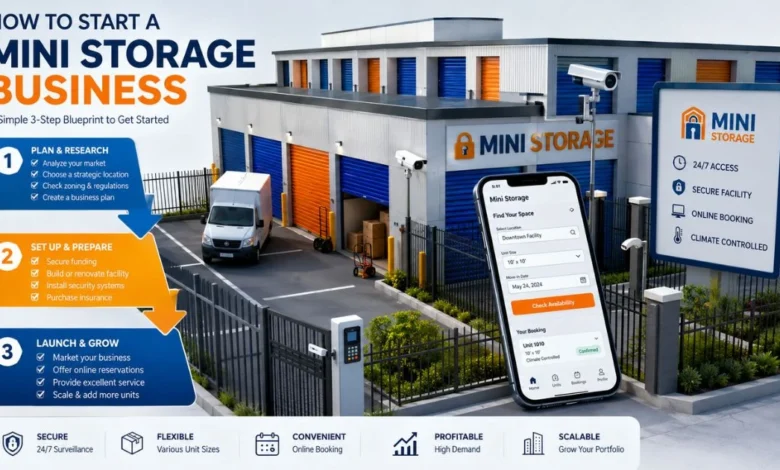
Starting a mini storage business can be a smart investment in 2026. Demand for self-storage continues to grow as people need extra space for personal belongings, business inventory, and seasonal items. If you’re researching how to start a mini storage business, it’s important to focus on customer needs, local demand, and long-term profitability. Google’s latest content quality updates also favor helpful, experience-based content that provides genuine value. This guide covers everything you need to know before launching your facility.
Why a Mini Storage Business Is a Good Investment
The self-storage industry offers recurring monthly income and relatively low operating costs. Unlike many traditional businesses, storage facilities require fewer employees and less daily management. Customers often rent units for months or even years, creating predictable revenue. This makes storage businesses attractive for both new and experienced investors.
Main Benefits
| Benefit | Advantage |
|---|---|
| Recurring Income | Monthly rental payments |
| Low Overhead | Fewer staff requirements |
| Strong Demand | Growing need for storage |
| Scalability | Easy expansion opportunities |
| Property Value Growth | Potential asset appreciation |
Research the Local Market First
Before deciding how to start a mini storage business, analyze your local market carefully. Look at competing facilities, occupancy rates, rental prices, and population growth. Areas with new housing developments and growing businesses often have higher storage demand. Understanding customer needs helps you avoid costly mistakes and identify profitable opportunities.
What to Analyze
- Local population growth
- Nearby competitors
- Average rental rates
- Business activity
- Housing development trends
Create a Detailed Business Plan
A business plan helps define your goals and financial expectations. It should include startup costs, revenue projections, marketing strategies, and operational plans. When learning how to start a mini storage business, a solid plan also improves your chances of securing financing. Investors and lenders want clear evidence that your project is viable.
Choose the Best Location
Location is one of the biggest factors affecting success. Your facility should be easy to access and visible from major roads. Areas near residential communities, apartment complexes, and commercial zones usually perform better. Entrepreneurs exploring how to start a mini storage business should prioritize convenience and accessibility when selecting a site.
Features of a Strong Location
| Factor | Importance |
|---|---|
| Road Visibility | High |
| Easy Access | High |
| Population Density | High |
| Limited Competition | High |
| Safe Area | Essential |
Secure Funding for Your Project
Building or purchasing a storage facility requires significant capital. Common funding options include bank loans, SBA financing, private investors, and commercial real estate loans. If you’re serious about how to start a mini storage business, compare funding options carefully to find the best terms and interest rates.
Common Startup Expenses
| Expense | Estimated Cost |
|---|---|
| Land Purchase | Varies by market |
| Construction | Major expense |
| Security Systems | Moderate |
| Permits & Licenses | Required |
| Marketing | Ongoing |
| Insurance | Essential |
Build or Buy an Existing Facility
You can either build a new facility or purchase an existing one. Building offers full customization but requires more time and capital. Buying an established facility may provide immediate income and existing customers. When evaluating how to start a mini storage business, compare both options based on your budget and goals.
New vs Existing Facility
| Factor | New Facility | Existing Facility |
|---|---|---|
| Setup Time | Longer | Faster |
| Revenue | Delayed | Immediate |
| Customization | High | Limited |
| Initial Investment | Higher | Variable |
Invest in Security and Technology
Modern customers expect secure storage solutions. Install surveillance cameras, gated access, proper lighting, and secure locks. Online booking systems and digital payments also improve customer experience. Anyone learning how to start a mini storage business should view security as a competitive advantage rather than an optional expense.
Create a Strong Marketing Strategy
Marketing is essential for filling units quickly. Focus on local SEO, Google Business Profile optimization, content marketing, and customer reviews. In 2026, Google prioritizes helpful content and user experience, making high-quality website content more important than ever. Businesses that consistently provide useful information tend to achieve better search visibility.
Best Marketing Channels
| Channel | Effectiveness |
|---|---|
| Local SEO | Excellent |
| Google Ads | High |
| Social Media | Good |
| Email Marketing | Good |
| Referral Programs | High |
Focus on Customer Experience
Customer satisfaction directly impacts occupancy rates and referrals. Keep the facility clean, maintain transparent pricing, and respond quickly to inquiries. Happy customers are more likely to leave positive reviews and recommend your business. Excellent service also helps build trust and long-term loyalty.
Conclusion
Understanding how to start a mini storage business requires careful planning, market research, financing, and effective marketing. The storage industry remains a strong opportunity for entrepreneurs seeking stable recurring income. By choosing the right location, investing in security, and prioritizing customer experience, you can build a profitable business that grows over time.
Frequently Asked Questions
Is a mini storage business profitable in 2026?
Yes, many facilities generate steady recurring revenue with relatively low operating costs.
How much money is needed to start a mini storage business?
Costs vary by location, facility size, and construction requirements.
Can I buy an existing storage facility?
Yes, buying an existing facility can provide immediate customers and cash flow.
How important is location?
Location is one of the most important factors affecting profitability.
Do storage businesses need employees?
Most facilities operate efficiently with a small team.