Curriculum Night: What It Is and How to Make the Most of It
Why Attending Curriculum Night Can Boost Student Success

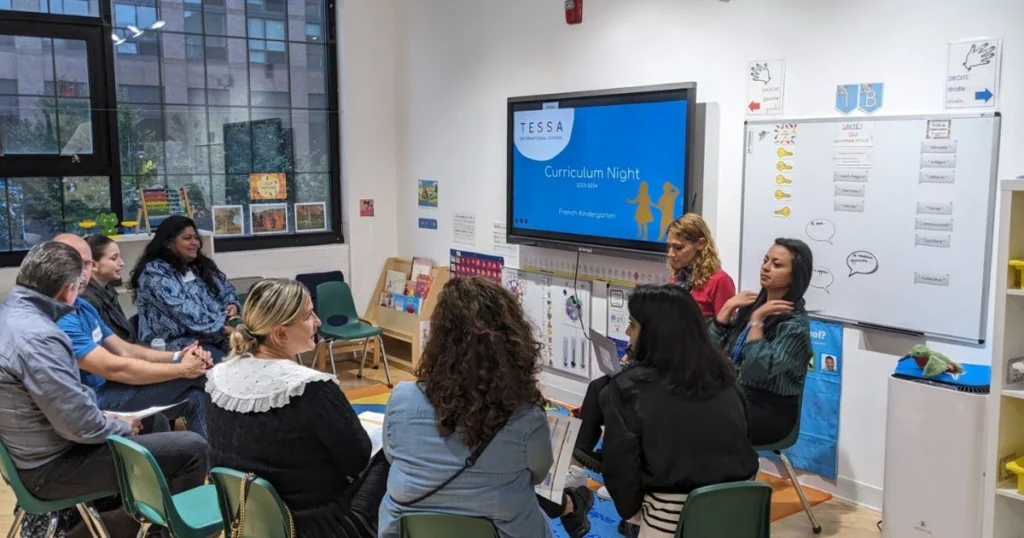
Curriculum night is a special evening at school where parents, students, and teachers come together to understand what the students will be learning during the year. It’s your chance to peek behind the curtain of classroom learning, see how teachers plan lessons, and learn how you—or your child—can succeed.
Curriculum night is an important school event that provides parents, students, and teachers with a platform to come together and understand the school’s learning plans and goals. The purpose of this evening is not just to explain the syllabus, but also to share classroom expectations, homework policies, and teaching strategies. Parents learn how to support their child’s learning at home, students understand ways to stay motivated, and teachers get the opportunity to receive feedback and answer questions.
The format of curriculum night may vary slightly across schools and grade levels, but its core goal remains the same: to strengthen home-school collaboration and enhance student success. If you want your child to perform confidently in school, attending curriculum night and actively participating is highly important.
Many parents feel anxious about curriculum night: “What should I ask? What if I don’t understand the curriculum?” Teachers sometimes worry: “How do I explain this clearly without overwhelming everyone?” This guide will walk you through everything, step by step, with real-life examples, practical tips, and easy-to-follow tables.
Why Curriculum Night Matters?
Curriculum night is more than just a “school event.” Think of it as a bridge connecting home and school. It helps everyone understand expectations, routines, and learning goals.
For Parents: It’s a chance to learn what your child will study, see how teachers approach each subject, and discover ways to support learning at home.
- For Students: Even if they don’t attend the whole event, knowing parents understand what’s expected can make them feel supported and motivated.
- For Teachers: Curriculum night is the perfect opportunity to share their teaching approach, explain grading policies, and build trust with families.
Real Example: Mrs. Johnson, a 4th-grade teacher, brings in student work samples so parents can see exactly what a “proficient” reading assignment looks like. Parents leave knowing what’s expected at home and in class.
What Happens at Curriculum Night?
A typical curriculum night has a clear structure. Here’s a simple breakdown:
| Step | What Happens | Approximate Time |
| Welcome | Principal or teacher greets families | 10–15 mins |
| Curriculum Overview | Teachers explain what will be covered in each subject | 20–30 mins |
| Classroom Expectations | Homework policies, grading, behavior rules | 15–20 mins |
| Q&A Session | Parents can ask questions | 15–20 mins |
| Optional Tour | Walkthrough of classrooms or learning spaces | 10–15 mins |
Tip: Bring a notebook. Even small details, like how a teacher handles late homework, can make a big difference later.
How to Prepare?
For Parents
- Review materials: Check emails, newsletters, or school handouts.
- Write questions: Examples: “How often is homework assigned?” “How can I help my child improve in math?”
- Arrive early: Grab a good seat and help your child feel comfortable.
For Students
- Bring recent projects or homework samples if allowed.
- Practice explaining their favorite topics—they may get to share them.
For Teachers
- Prepare visuals, handouts, or slides.
- Use clear, simple language. Avoid educational jargon.
- Include examples of student work (with permission) to make expectations tangible.
Teachers can use our Curriculum Map Template to organize lessons effectively and showcase classroom plans during curriculum night.
Age-Wise Curriculum Night Tips
| Grade | Focus | Parent Tips | Teacher Tips |
| Kindergarten | Routines, social skills, reading basics | Ask how to support reading at home | Show hands-on activities and daily schedule |
| Elementary | Core subjects, homework, enrichment | Encourage reading & math practice | Share weekly lesson plan & grading methods |
| Middle School | Multiple subjects, electives | Discuss organization & study skills | Rotate classrooms; highlight electives |
| High School | College prep, career guidance | Discuss graduation requirements & goals | Share syllabus & grading criteria |
Real Example: At a 7th-grade curriculum night, a teacher demonstrates how parents can help organize their child’s assignments with a simple folder system. Parents leave feeling empowered, not overwhelmed.
Common Curriculum Night Mistakes
| Mistake | Why It Happens | How to Avoid It |
| Not preparing questions | Feeling shy or unsure | Write down questions ahead of time |
| Talking only about one child | Parents focus on individual issues | Remember this night is about the whole class |
| Missing materials | Parents overlook handouts | Collect and review every handout or digital link |
| Arriving late | Misses key info | Plan to arrive early or check if recordings exist |
| Bringing too many children | Can distract teachers | Consider leaving younger siblings at home |
Teacher, Parent, and Student Perspectives
Teacher Perspective
Teachers want parents to understand the plan for the year. They feel proud when parents leave informed and confident.
Example: Mr. Lee, a high school math teacher, shows parents how algebra concepts apply in real life—like splitting a pizza evenly—so everyone can understand the learning goals.
Parent Perspective
Parents often feel nervous before curriculum night. But after attending, they understand expectations, homework routines, and ways to help their child succeed.
Example: Mrs. Gomez discovered her child struggled with lab experiments. After curriculum night, she arranged extra support, and her child’s confidence soared.
Student Perspective
Students enjoy showing their work and sharing achievements. It gives them pride and encourages responsibility.
Example: Emma, a 5th grader, shared her art project during curriculum night, which boosted her confidence and motivated her to engage more in class.
Effective Communication During Curriculum Night
- Visual Aids: Charts, slides, and real student work make learning objectives clear.
- Practical Examples: Show parents how topics relate to everyday life.
- Interactive Q&A: Invite questions—no question is too small.
- Follow-Up: Share digital resources so parents can review materials later.
Tips for Students
- Be proud of your work and share it confidently.
- Listen actively to your teacher and parents.
- Ask questions politely if unsure about assignments.
- Show your parents how they can help you at home.
FAQs About Curriculum Night
Q1: How long does curriculum night last?
A: Usually 1–2 hours, depending on how many subjects or grades are presented.
Q2: Should students attend?
A: Younger kids may attend briefly; older students can showcase projects.
Q3: What should I ask if I don’t know much about the curriculum?
A: Focus on practical questions: homework routines, grading, or support for struggling students.
Q4: Is curriculum night mandatory?
A: Not usually, but attending is strongly recommended. Some schools offer virtual options.
Q5: How can parents support teachers afterward?
A: Review materials, encourage homework routines, communicate early about challenges, and participate in school events.
Conclusion: Make Curriculum Night Count
Curriculum night is your chance to see the classroom from the inside. It strengthens relationships, clarifies expectations, and helps students succeed. A little preparation goes a long way.
Key Takeaways:
- Curriculum night bridges home and school.
- Prepare questions and take notes.
- Use the knowledge to support learning at home effectively.
- Strengthening communication between parents and teachers.
- Supporting children’s learning effectively at home.
Flash Topic