Curriculum Growth Strategies for Schools: How to Transform Learning and Teaching
Boost Learning Outcomes with Curriculum Growth Strategies for Schools

Introduction: Why Curriculum Growth Matters Now?
Imagine walking into a classroom where students seem disinterested, teachers are juggling endless tasks, and the textbooks feel decades old. Sound familiar? In today’s rapidly changing educational world, schools face immense pressure to keep learning relevant, engaging, and future-ready. That’s where Curriculum Growth Strategies for Schools come in—they’re no longer optional; they’re essential for preparing students with the skills they’ll need in the 21st century.
By updating lesson plans, adopting innovative teaching strategies for schools, and integrating education technology, schools can create classrooms where learning feels alive and meaningful. These strategies also support ongoing teacher development, spark creativity, and enable continuous curriculum improvement. For administrators, teachers, and curriculum planners, embracing curriculum growth means transforming classrooms into environments where students thrive, educators feel empowered, and schools stay aligned with modern education standards.
Why Curriculum Growth Is Crucial?
Curriculum growth isn’t just a nice-to-have—it’s the backbone of a thriving school. Here’s why it matters:
1. Better Student Outcomes
Students today need more than rote memorization—they need critical thinking, problem-solving, and digital literacy skills. Schools that actively review and update their curriculum often see 20–25% improvements in standardized test scores within just a few years. Beyond the numbers, students become more engaged, confident, and motivated when lessons feel relevant to their lives and future opportunities.
2. Empowered and Engaged Teachers
Teachers are the heart of any school. Providing them with opportunities for professional growth and access to modern teaching methods encourages innovation in the classroom. When teachers feel supported, they are more likely to experiment with creative lessons, differentiate instruction, and foster collaborative learning environments.
3. Alignment With Modern Standards
Curriculum growth ensures schools stay in step with frameworks like Common Core, Next Generation Science Standards, or IB programs. This alignment doesn’t just fulfill compliance requirements—it ensures students graduate with the skills today’s world demands, from coding to environmental literacy.
4. Tech-Ready Classrooms
In our digital-first era, integrating education technology isn’t optional. Learning Management Systems (LMS), interactive platforms, and AI-driven tools empower teachers to personalize learning while helping students gain essential digital skills.
5. Holistic Development
Modern curricula go beyond academics. They incorporate life skills, social-emotional learning, and STEAM-based projects that blend creativity with analytical thinking. Students leave school well-rounded, adaptable, and ready to tackle challenges inside and outside the classroom.
In short, schools that invest in curriculum growth don’t just improve test scores—they nurture engaged, capable, and future-ready learners.
Common Challenges in Curriculum Growth
Even the most committed schools face hurdles:
- Outdated Syllabi: Many schools rely on lesson plans that no longer match students’ needs or modern learning trends.
- Teacher Training Gaps: New methods and tools are ineffective without proper training.
- Limited Resources: Budget constraints can limit access to innovative programs, tools, or professional development.
- Tech Integration Issues: Introducing EdTech without adequate support often leads to frustration.
- Resistance to Change: Change can feel uncomfortable. Teachers and staff need time, guidance, and clear communication.
Ignoring these challenges can impact student learning, teacher morale, and a school’s reputation. Strategic, actionable curriculum growth helps schools address obstacles thoughtfully rather than hoping change happens by chance.
7 Practical Curriculum Growth Strategies
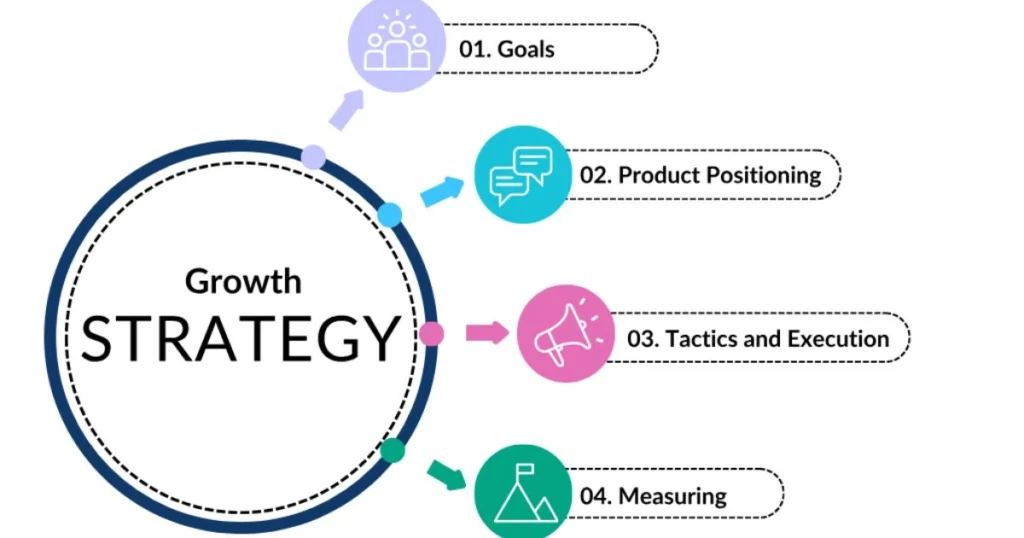
Here’s where the rubber meets the road—seven strategies your school can implement today:
1. Assess Your Current Curriculum
You can’t improve what you don’t understand. Start with a clear picture of what’s working—and what isn’t.
- Conduct a curriculum audit to find gaps.
- Gather feedback from teachers, students, and parents.
- Compare your curriculum against modern standards.
Example: A school realized its science program lacked hands-on experiments. Adding labs and interactive simulations immediately boosted engagement.
Tip: Use surveys, focus groups, and classroom observations for a complete view.
2. Embrace Modern Teaching Methods
Students learn best when they’re actively involved.
- Project-Based Learning (PBL): Solving real-world problems builds critical thinking and collaboration.
- Experiential Learning: Field trips, labs, and simulations help students connect theory to practice.
Example: Environmental science students designed a school recycling program, applying math, biology, and social studies in a practical way.
Tip: Start with one subject or grade level before expanding school-wide.
3. Invest in Teacher Training
Teachers drive curriculum success. Provide:
- Workshops on modern methods and EdTech.
- Peer mentoring for collaborative lesson planning.
- Online courses for ongoing professional development.
Example: Quarterly blended learning workshops increased teacher confidence with digital tools by 40%.
Tip: Tie professional development to measurable outcomes like student engagement and assessment scores.
4. Use Data and Feedback
Make decisions based on evidence.
- Collect data through tests, portfolios, and observations.
- Gather feedback from students and teachers.
- Adjust curriculum based on what works.
Example: Math teachers noticed geometry was a challenge. Introducing interactive labs improved understanding and scores.
Tip: Use LMS platforms to track progress and generate actionable insights.
5. Integrate Cross-Disciplinary Learning
Break down silos to foster creativity and holistic learning.
- STEAM: Blend STEM subjects with arts for analytical and creative growth.
- Life Skills: Include communication, financial literacy, and leadership lessons.
- Global Awareness: Embed sustainability, ethics, and technology across subjects.
Example: Students designed a sustainable garden project using math, biology, and art skills collaboratively.
Tip: Collaborate across departments for meaningful, integrated projects.
6. Leverage Education Technology
Tech can transform learning if used strategically:
- LMS for assignments, lessons, and assessments.
- Gamified apps for engaging practice.
- AI platforms for personalized learning and real-time feedback.
Example: Using Google Classroom and Kahoot!, a school improved homework submissions and student participation.
Tip: Align tools with curriculum goals and train teachers thoroughly.
7. Continuously Review and Iterate
Curriculum growth is ongoing, not a one-off project:
- Hold annual review meetings.
- Update materials based on research and feedback.
- Encourage teachers to suggest improvements.
Example: Schools reviewing digital literacy annually added AI basics and cybersecurity, keeping students ahead of emerging trends.
Tip: Build a culture where teachers feel ownership over the curriculum.
Implementing effective curriculum growth strategies for schools is essential for modern education. Schools that adopt curriculum growth strategies for schools can improve student engagement and learning outcomes significantly. Administrators and teachers benefit when curriculum growth strategies for schools are aligned with modern teaching methods. Using technology wisely is one way to enhance curriculum growth strategies for schools in classrooms. Teacher training plays a key role in successful curriculum growth strategies for schools, ensuring educators can deliver lessons effectively.
Feedback and data analysis make curriculum growth strategies for schools more responsive to students’ needs. Cross-disciplinary projects are part of advanced curriculum growth strategies for schools, promoting creativity and problem-solving. Overall, curriculum growth strategies for schools support better learning, teacher empowerment, and continuous curriculum growth strategies for schools, making schools future-ready.
Curriculum Growth Summary Table
| Strategy | Benefits | Challenges | Tools & Tips |
| Assess Current Curriculum | Identify gaps | Time-intensive | Surveys, audits, focus groups |
| Modern Teaching Methods | Boosts engagement | Resistance to change | PBL, experiential kits |
| Teacher Training | Improves teaching quality | Budget & schedule constraints | Workshops, online courses |
| Data & Feedback | Evidence-based improvements | Requires data literacy | LMS analytics, surveys |
| Cross-Disciplinary Learning | Enhances creativity & critical thinking | Requires collaboration | STEAM projects, integrated units |
| EdTech Integration | Personalized learning | Infrastructure & training | LMS, gamified apps, AI tools |
| Continuous Review | Keeps curriculum relevant | Requires commitment | Annual review, teacher input, research |
Case Study: Willow Creek Academy
Willow Creek Academy in California faced declining student engagement. In 2019, the school implemented a comprehensive curriculum growth plan:
- Conducted a curriculum audit.
- Introduced project-based STEM learning.
- Trained teachers on EdTech.
- Collected monthly feedback from students and parents.
- Launched cross-disciplinary projects blending arts, science, and life skills.
Results:
- 35% increase in student engagement.
- 18% rise in standardized test scores.
- Higher teacher satisfaction and innovation.
- Parents noticed improvements in problem-solving and critical thinking.
Takeaway: Start small, measure outcomes, support teachers, and iterate. Growth compounds over time.
Tips for Smooth Implementation
- Start Small: Pilot changes before scaling.
- Engage Stakeholders: Include teachers, students, and parents.
- Track Progress: Use data and feedback to refine strategies.
- Foster Collaboration: Encourage teamwork across departments.
- Celebrate Wins: Recognize achievements to maintain motivation.
[FAQs]
1. What is curriculum growth?
It’s the ongoing improvement of programs, teaching methods, and assessments.
2. Why is it important?
It improves student outcomes, teacher engagement, and keeps schools aligned with modern standards.
3. How can schools measure improvement?
Through assessments, surveys, portfolios, and EdTech analytics.
4. Which tools are best?
LMS platforms like Google Classroom, gamified apps, and data dashboards.
5. How often should a school review its curriculum?
At least annually, with ongoing updates based on feedback and emerging research.
Conclusion
Curriculum growth isn’t optional—it’s essential for preparing students for the future and empowering teachers to teach their best. By assessing your current curriculum, embracing modern teaching methods, investing in teachers, using data, integrating cross-disciplinary learning, leveraging education technology, and continuously iterating, your school can build an engaging, future-ready learning environment.
Start with one strategy today, observe the results, and scale over time. Every improvement—big or small—makes a difference. By committing to continuous curriculum growth, you’re shaping students’ futures and cultivating a thriving, innovative school culture.
Implementing curriculum growth strategies for schools ensures success, and schools that adopt curriculum growth strategies for schools see better student outcomes; integrating curriculum growth strategies for schools effectively transforms learning, making curriculum growth strategies for schools a priority for every educator.