How to Use AI Voice Models: The Ultimate Guide to Neural Audio
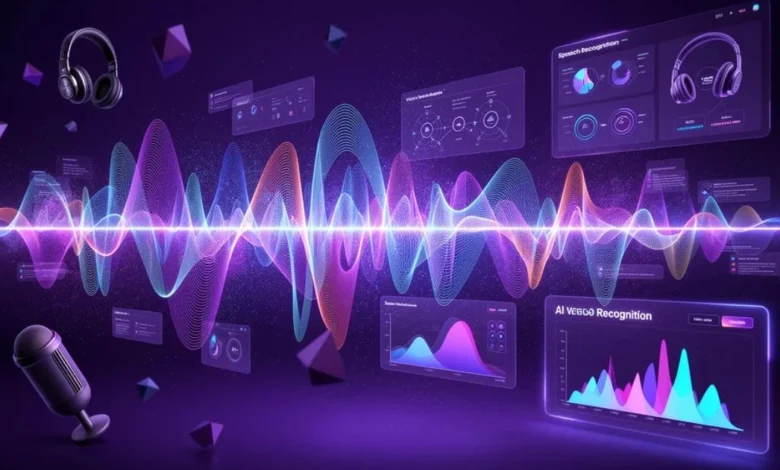
The digital landscape is currently undergoing a massive shift as generative AI moves beyond text and images into the realm of hyper-realistic audio. Understanding how to use AI voice models has become a vital skill for modern content creators, marketers, and developers aiming to produce studio-quality narration without the overhead of traditional recording. These sophisticated systems utilize advanced deep learning and neural networks to mimic human prosody, capturing the subtle nuances of emotion, breath, and natural rhythm.
Whether you are building a faceless YouTube channel or automating corporate training, mastering this technology allows you to scale your production while maintaining a human-centric touch. This guide provides the technical roadmap and strategic insights needed to navigate the complex world of synthetic media in today’s competitive market.
Decoding the Science Behind AI Voice Generation
Before implementing these tools, it is crucial to understand the semantic difference between Text-to-Speech (TTS) and Retrieval-based Voice Conversion (RVC) when learning how to use AI voice models. Standard TTS engines transform written scripts into spoken audio using pre-trained linguistic datasets, whereas RVC allows users to map a specific vocal identity onto an existing audio file. Choosing the correct architecture is the foundation of a successful project, as it dictates the level of expressive control you have over the final output. By identifying whether you need a quick narration or a custom-cloned digital twin, you can select the appropriate software stack that balances processing speed with vocal authenticity.
Selecting the Top-Tier AI Voice Platforms
The market is currently divided into accessible web-based SaaS platforms and sophisticated open-source repositories for those curious about how to use AI voice models. For those seeking immediate results with high reliability, platforms like ElevenLabs, Play.ht, and Murf AI dominate the space with intuitive interfaces and massive libraries of pre-recorded voices. Conversely, technical users often turn to Hugging Face or GitHub to run models locally using high-end GPUs, which offers superior data privacy and zero subscription costs. Evaluating a platform based on its stability and style exaggeration sliders is essential, as these parameters directly impact the naturalness of the generated speech.
Preparing High-Fidelity Data for Voice Cloning
If your objective involves professional-grade voice cloning, the quality of your training data is the primary ranking factor for your audio’s realism. To successfully learn how to use AI voice models for personal cloning, you must provide clean, dry audio samples—typically 60 seconds of high-quality speech—devoid of reverb, background noise, or overlapping music. The algorithm extracts the unique frequency response and timbre of the source voice to create a digital fingerprint that can be used indefinitely. Superior input leads to a more convincing output, effectively bypassing the “uncanny valley” where voices sound almost human but remain unsettlingly mechanical.
Execution: Generating Professional-Grade AI Narrations
Once your environment is set, the generation process begins by inputting a “clean script” optimized for auditory consumption rather than silent reading. It is a common mistake to ignore phonetic spellings for brand names or technical jargon, which can cause the AI to stumble during the synthesis phase. Most premium platforms that teach you how to use AI voice models allow for real-time adjustments, enabling you to tweak the similarity boost to ensure the voice retains its unique character. Always generate a few variations of the same line to find the perfect take, as neural models often produce slightly different emotional inflections in every single iteration.
Mastering Emotional Intelligence through Prompting
To elevate your AI audio from “good” to “untraceable,” you must master the art of vocal prompting to understand truly how to use AI voice models. Advanced models now interpret punctuation as physical cues; for instance, using an ellipsis can force a thoughtful pause, while exclamation marks increase energy and pitch. Many professional creators use SSML (Speech Synthesis Markup Language) to manually inject whispers, emphasis, or specific breathing patterns into the digital script. This granular level of control is what allows AI-generated voices to carry the emotional weight required for professional storytelling and high-end video production.
Navigating the Ethics of Synthetic Media
As you deploy these tools, adhering to ethical AI standards is not just a moral choice but a strategic one for long-term SEO and brand safety. Search engines and social platforms are increasingly favoring content that includes synthetic media labels to maintain complete transparency with the global audience. Ensure you have the explicit voice consent of any individual you intend to clone to avoid copyright strikes or complex personality rights litigation. By maintaining a transparent and honest workflow, you build the authority and trust that are central to Google’s E-E-A-T framework, ensuring your content remains favored by algorithms. Learning how to use AI voice models responsibly is just as important as the technical execution itself.
Technical Optimization for Web and Search Performance
The final step in mastering how to use AI voice models is ensuring the output is technically optimized for search engines and the end-user experience. While WAV files are ideal for post-production editing, they should be converted to optimized MP3 or OGG formats for final web delivery to ensure fast page load speeds. Furthermore, always provide a full text transcript alongside your audio to improve Answer Engine Optimization (AEO) and cater to essential accessibility requirements. This hybrid approach ensures that both human listeners and search engine crawlers can fully index and appreciate your content, maximizing your organic reach. By following these technical steps, you complete the process of using synthetic audio to dominate your digital niche.
Quick-Reference: AI Voice Tech Comparison
| Platform | Best For | Technical Barrier | Performance Quality |
| ElevenLabs | Social Media & Blogs | Very Low | Industry-leading realism |
| RVC (Local) | AI Singing / Parody | High | Extreme customization |
| Murf AI | Corporate & L&D | Medium | Professional-grade tones |
FAQs
- Does Google penalize content using AI voices? No, Google prioritizes helpful, high-quality content regardless of the production method used.
- Is it legal to clone anyone’s voice? Legally you require explicit permission, though technically it only requires a short audio sample.
- What is the best audio format for SEO? Optimized MP3 is the standard for web speed, provided it is accompanied by a text transcript.
- Do I need a powerful computer to run AI voices? Web-based tools work on any device, while open-source models require a dedicated GPU.
- Can AI voices truly express human emotions? Modern models mimic emotions like joy or anger through advanced punctuation and slider adjustments.
Conclusion
The transition from robotic speech to human-centric AI audio represents a landmark shift in how we consume digital information. By focusing on how to use AI voice models with an emphasis on emotional nuance and ethical transparency, you position yourself at the forefront of the next digital frontier. The key to ranking and audience retention lies in the balance: using technology to scale your output while using human expertise to fine-tune the emotional delivery of every generated word.