Curriculum Map Examples Elementary: A Complete Guide to Organized Learning Success
Simple curriculum mapping examples to organize elementary learning with clarity and success
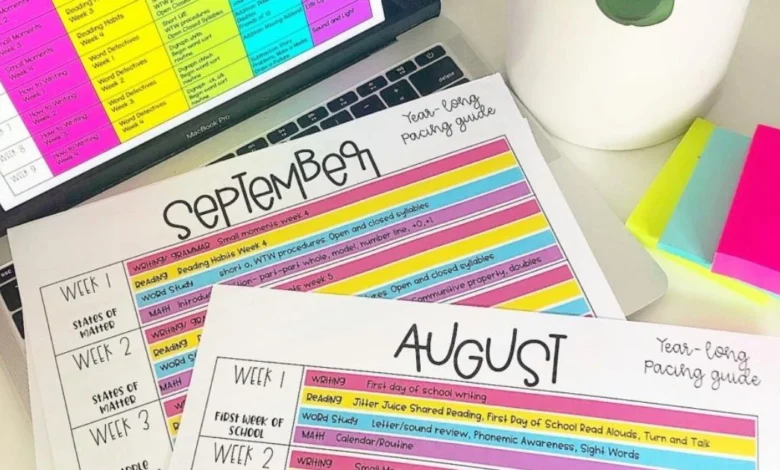
Curriculum map examples elementary help teachers, parents, and schools clearly plan what children learn throughout the year so skills grow smoothly without confusion or learning gaps. In simple words, they are learning roadmaps that organize lessons, goals, and progress in a clear and helpful way.
Curriculum map examples elementary help teachers organize lessons, improve student progress, and plan learning goals clearly from the very beginning.
When classrooms feel rushed, lessons repeat, or students struggle later on, it is usually because learning was never mapped properly — not because students or teachers failed.
Introduction: Why So Many Children Feel Lost in School (Even With Good Teachers)
Let’s start with something real.
A teacher finishes a lesson and asks:
“Did everyone understand?”
Some kids nod.
Some stay quiet.
Some are already confused.
Next week, a new topic begins — built on the old one.
And slowly… students fall behind.
This happens in schools everywhere.
Not because teachers don’t care.
Not because students don’t try.
It happens because learning isn’t planned as a connected journey.
That’s exactly why curriculum map examples elementary are becoming so important in modern education. They bring structure, clarity, and confidence into classrooms.
This topic is part of the complete guide on the importance of curriculum in education.
What Is a Curriculum Map? (Think Like a Teacher, Not a Textbook)
A curriculum map is simply a plan that answers three big questions:
What will students learn?
When will they learn it?
How will they practice it?
Instead of teaching randomly week by week, teachers follow a structured path.
Imagine trying to bake a cake without a recipe.
That’s what teaching feels like without a curriculum map.
Key Parts of a Good Elementary Curriculum Map
| Component | Why It Matters |
| Subject areas | Organizes learning |
| Time frame | Prevents rushing |
| Skill goals | Builds mastery |
| Activities | Makes learning fun |
| Assessments | Tracks progress |
Why Curriculum Mapping Is Especially Important for Young Children?
Elementary years are when:
Many schools now rely on curriculum map examples elementary to improve lesson planning and student outcomes.
✔ Reading foundations form
✔ Math thinking develops
✔ Confidence grows
✔ Study habits begin
Missing skills here affect learning for life.
Using curriculum map examples elementary helps avoid:
Gaps in knowledge
Repeating topics endlessly
Confused students
Overworked teachers
Expanded Real Curriculum Map Examples Elementary
Let’s explore deeper, realistic classroom-style examples.
Example 1: Grade 1 Reading Development Map
| Month | Focus | Learning Activity |
| Sept | Letter sounds | Phonics songs |
| Oct | Word blending | Flashcards |
| Nov | Reading simple stories | Group reading |
| Dec | Understanding meaning | Story questions |
| Jan | Writing sentences | Journals |
| Feb | Reading fluently | Reading races |
| March | Small paragraphs | Story building |
Example 2: Grade 2 Math Skill Progression
| Period | Topic | Goal |
| Term 1 | Number sense | Strong basics |
| Term 2 | Addition & subtraction | Speed & accuracy |
| Term 3 | Multiplication | Concept learning |
| Term 4 | Measurements | Real-life use |
Example 3: Grade 3 Science Learning Path
| Month | Theme | Project |
| Sept | Plants | Growth chart |
| Oct | Animals | Habitat model |
| Nov | Water | Experiment |
| Dec | Earth | Poster |
Example 4: Homeschool Balanced Weekly Map
| Day | Learning Focus |
| Monday | Reading + vocabulary |
| Tuesday | Math practice |
| Wednesday | Science experiment |
| Thursday | Writing skills |
| Friday | Review games |
These curriculum map examples elementary show how learning becomes smoother and more effective.
How to Create a Curriculum Map? (Even If You’re New)
Let’s make this simple and realistic.
Step 1: Know Your End Goal
Ask:
“What should my students know by year’s end?”
Step 2: Break It Down
Big goals → small monthly skills
Step 3: Organize in Order
Easy first, harder later.
Step 4: Add Real Activities
Reading, projects, games, quizzes.
Step 5: Leave Space for Review
Kids need repetition.
Planning Overview Table
| Phase | Action |
| Goal setting | Choose skills |
| Breakdown | Monthly focus |
| Organization | Logical order |
| Teaching | Activities |
| Review | Progress checks |
Real Human Experiences (What People Actually Notice)
Teacher Experience
After using curriculum mapping, Ms. Ayesha saw students reading two levels higher in one year.
Parent Experience
A father used weekly maps and said mornings were calmer and learning smoother.
Student Experience
Kids felt proud knowing what they were working toward.
Common Mistakes (And How Real Teachers Fix Them)
| Mistake | Why It Happens | Fix |
| Too much content | Fear of missing topics | Focus on mastery |
| No breaks | Rushing | Add review weeks |
| Poor order | Random planning | Build stepwise |
| Ignoring feedback | Fixed plans | Adjust often |
Expert Tips from Experienced Educators
✔ Teach less but better
✔ Review before moving on
✔ Connect lessons
✔ Keep learning fun
✔ Track progress
How Curriculum Mapping Improves Student Confidence?
When kids know:
What they’re learning
Why it matters
What comes next
They feel safe and motivated.
That’s the power of curriculum map examples elementary in action.
[ FAQs]
1. Is curriculum mapping hard for beginners?
Not at all. Start with one subject and one month.
2. What if my class learns slower or faster?
Maps are flexible. Adjust without stress.
3. Do teachers still need daily lesson plans?
Yes — the map guides the big picture.
4. Can parents use curriculum maps at home?
Absolutely. Many homeschool families rely on them.
5. How do I know if my map is working?
If students understand better and stress reduces — it’s working.
Simple Student Tips
- Review weekly lessons
- Ask questions early
- Stay organized
- Practice daily
- Celebrate progress
Strong Final Thoughts
Education isn’t about rushing through books.
It’s about building understanding step by step.
Curriculum map examples elementary create clarity, confidence, and success for students, teachers, and parents alike.
Final Key Takeaways:
Organized learning builds strong foundations
Curriculum maps prevent confusion
Simple planning improves results
When learning follows a clear path, every child can succeed.
By using curriculum map examples elementary, teachers and parents can plan smarter lessons, track learning growth, and support students more effectively.
Flash Topic