Homeschool Curriculum Review: A Complete Beginner’s Guide for Parents
A Simple Parent’s Guide to Choosing the Best Homeschool Programs for Your Child’s Success

Homeschool curriculum review means carefully examining different homeschool programs to choose the best learning plan for your child. In this guide, you’ll learn how to compare curricula, avoid common mistakes, and confidently select what truly works.
OR
Homeschool curriculum review means looking at different homeschool books and programs carefully to choose the one that is best for your child.
Introduction: Why So Many Parents Feel Lost Choosing Homeschool Materials?
Imagine this:
Sarah, a mother of two, decides to homeschool after her son struggles in traditional school. She opens Google and types “best homeschool curriculum” — suddenly she’s overwhelmed by hundreds of programs, reviews, and opinions.
Sound familiar?
Many parents and teachers feel confused when choosing learning materials at home. Some worry about missing important subjects. Others fear wasting money on programs that don’t fit their child’s learning style.
That’s where a homeschool curriculum review becomes incredibly helpful.
This article will walk you step-by-step through:
- What homeschool curricula are
- How to review and compare them properly
- Real-life examples from families and teachers
- Common mistakes and how to avoid them
By the end, you’ll feel confident choosing a curriculum that supports real learning — not stress.
This topic is part of the complete guide on the importance of curriculum in education.
What Is a Homeschool Curriculum Review?
A homeschool curriculum review is a detailed evaluation of a learning program used for homeschooling children.
It looks at:
- Subjects covered
- Teaching style
- Grade level fit
- Cost and materials
- Flexibility
- Student progress
Instead of guessing, a review helps families make informed decisions.
Why Reviews Matter in Homeschooling?
Unlike public school, homeschool families must choose everything themselves:
- Math programs
- Reading lessons
- Science materials
- History books
- Online tools
A good review saves:
Time
Money
Frustration
And leads to:
Better learning outcomes
Key Related Keywords Used Naturally
Throughout this article you’ll also see:
- homeschool programs
- homeschool curriculum comparison
- home education materials
- homeschooling resources
- online homeschool courses
- homeschool learning plans
These help parents understand the wider homeschooling world.
Types of Homeschool Curricula (With Real Examples)
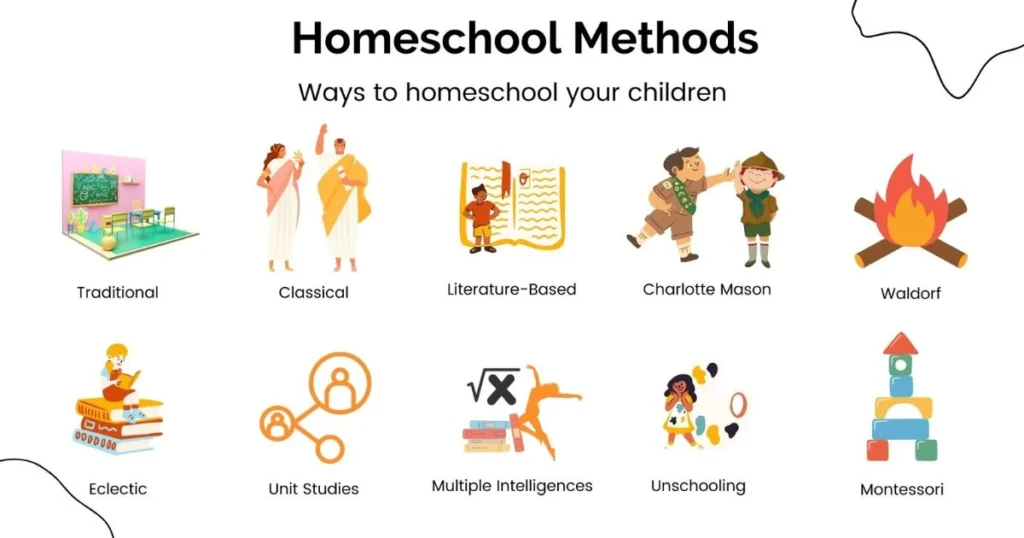
Not all homeschool programs are the same. Let’s explore the main types.
1. Traditional Textbook-Based Curriculum
Feels similar to regular school.
Best for:
Children who like structure and routine
Example:
Mark, age 10, thrives using printed math books and weekly tests.
Pros:
- Clear lessons
- Easy to track progress
- Familiar format
Cons:
- Can feel boring for creative learners
2. Online Homeschool Programs
Digital lessons, videos, quizzes, and grading.
Best for:
Tech-friendly families
Example:
Emily completes science lessons online while her mom monitors progress.
Pros:
- Interactive
- Auto-grading
- Flexible schedules
Cons:
- Screen fatigue
- Requires internet
3. Unit Study Curriculum
Subjects combined around themes like space, animals, or history.
Best for:
Hands-on learners
Example:
A family studies Ancient Egypt through reading, crafts, and experiments.
Pros:
- Fun and engaging
- Cross-subject learning
Cons:
- Harder to track standards
4. Child-Led or Unschooling Approach
Learning follows the child’s interests.
Best for:
Independent learners
Pros:
- Builds curiosity
- Personalized
Cons:
- Requires strong parent involvement
Homeschool Curriculum Comparison Table
| Curriculum Type | Structure | Cost Range | Best For | Flexibility |
| Textbook-based | High | Medium | Traditional learners | Low |
| Online programs | Medium | Medium–High | Tech learners | High |
| Unit studies | Medium | Low–Medium | Creative kids | High |
| Unschooling | Low | Low | Self-motivated kids | Very High |
How to Homeschool curriculum review Step by Step?
Step 1: Know Your Child’s Learning Style
Ask:
- Do they like reading?
- Do they enjoy videos?
- Hands-on activities?
Step 2: Check Subject Coverage
Ensure it includes:
- Math
- Reading & writing
- Science
- Social studies
Step 3: Look at Teaching Method
Is it:
- Teacher-guided?
- Independent?
- Interactive?
Step 4: Review Progress Tracking
Good curricula offer:
- Quizzes
- Worksheets
- Reports
Step 5: Consider Budget
Some programs cost $50/year, others $1000+.
Age-Wise Homeschool Curriculum Planning Table
| Age Group | Focus Areas | Recommended Style |
| 4–6 | Reading basics, counting, play learning | Unit studies, games |
| 7–10 | Core subjects, curiosity | Mixed programs |
| 11–13 | Skill building, research | Online + books |
| 14–18 | Credits, exams, careers | Structured programs |
Real-Life Education Examples
Example 1: Struggling Reader Turned Confident
Jake, age 8, hated reading. His parents switched to a phonics-based homeschool program after reviewing several curricula. Within 6 months, his reading improved dramatically.
Example 2: Teacher Using Homeschool Curriculum at Home
Ms. Lopez, a classroom teacher, homeschools her daughter using structured online courses. She combines professional teaching methods with flexibility.
Example 3: Busy Family Success
The Carter family uses a blended curriculum — online math plus hands-on science kits — making learning fun even with working parents.
Common Mistakes in Homeschool Curriculum Selection (And Solutions)
| Mistake | Why It Happens | Solution |
| Choosing based on popularity | Influencer hype | Match child needs |
| Buying full year blindly | No trial | Use samples first |
| Too many programs | Overwhelm | Keep it simple |
| Ignoring learning style | One-size thinking | Observe child |
Teacher, Parent & Student Perspectives
Teacher View
“Curriculum should guide, not control learning. Flexibility is key.”
Parent View
“The right program saved us stress and brought joy back into education.”
Student View
“I like learning at my own pace instead of rushing like school.”
These real experiences show how curriculum choice shapes success.
What Makes a Great Homeschool Curriculum?
✔ Clear lessons
✔ Adaptable pace
✔ Engaging materials
✔ Progress tracking
✔ Affordable options
✔ Support resources
How Homeschool Curriculum Reviews Help Long-Term Success?
They help you:
- Avoid expensive mistakes
- Understand strengths & weaknesses
- Match learning goals
- Build confidence
A good review is like a roadmap for education success.
Frequently Asked Questions ,
1. How often should I review my homeschool curriculum?
At least once every semester. Children grow quickly and learning needs change.
2. Can I mix different homeschool programs?
Yes! Many families combine math from one program and reading from another.
3. Are free homeschool curricula effective?
Some are excellent, especially for basic subjects. Just review quality carefully.
4. What if my child dislikes the curriculum?
That’s a sign to adjust. Homeschooling allows flexibility — use it.
5. Will homeschool kids fall behind?
Not if you use a strong curriculum consistently. A thoughtful homeschool curriculum review can help you choose the right materials, and many homeschooled children actually progress faster than their peers.
Tips for Students (Short & Helpful)
- Ask questions when confused
- Learn at your own pace
- Try different study methods
- Take breaks
- Celebrate progress
Conclusion: Choosing the Right Homeschool Curriculum Made Simple
A thoughtful homeschool curriculum review empowers families to create meaningful learning experiences.It helps you choose the best and most suitable learning plan for your child.A homeschool curriculum review helps parents make smart choices, and doing a careful homeschool curriculum review ensures your child gets the best learning plan, which is why every parent should consider a homeschool curriculum review.
Instead of guessing or following trends, you can confidently choose materials that match your child’s:
- Learning style
- Pace
- Interests
- Goals
Key Takeaways
- Reviews save time and money
- One curriculum doesn’t fit every child
- Flexibility leads to better learning
- Reviews help you understand where your child excels and where extra support is needed
- You choose based on research and real feedback — not guesswork
Homeschooling is not about copying school at home — it’s about building education around your child.
When you review wisely, learning becomes joyful, effective, and lasting.