Writing Curriculum Homeschool: A Practical, Human-Friendly Guide for Beginners
Step-by-step writing plans and real-life homeschool tips
Writing curriculum homeschool is simply the way families teach writing skills at home in a planned and supportive way.
It helps children learn how to write clearly, confidently, and correctly—step by step, at their own pace.
Homeschool writing does not need to feel overwhelming. When done right, it becomes a natural part of daily learning and real life.
What Does “Writing Curriculum Homeschool” Really Mean?
A writing curriculum homeschool plan is a structured approach to teaching writing outside of a traditional classroom. Instead of following a fixed school textbook, parents design lessons that match their child’s ability, interests, and learning speed.
This curriculum can be:
- Very simple (journals and short prompts)
- More structured (grammar lessons and essays)
- Fully customized for each child
The goal is not perfection. The goal is progress.
Why Writing Matters So Much in Homeschooling
Writing is one of the most important skills a child will ever learn. It affects almost every subject and future career.
In homeschool education, writing helps students:
- Explain what they learn
- Think clearly and logically
- Express ideas and emotions
- Build confidence in communication
Real-Life Example
A homeschool student studying science writes short summaries after each lesson. At first, the sentences are messy and unclear. After months of regular practice, the student can explain experiments clearly in full paragraphs. That improvement comes from consistent writing practice, not pressure.
Homeschool Writing vs Traditional School Writing
Homeschool writing looks very different from school writing—and that’s a good thing.
| Traditional School Writing | Homeschool Writing Curriculum |
| Same assignments for all | Lessons matched to the child |
| Strict deadlines | Flexible schedules |
| Large classroom feedback | One-on-one guidance |
| Focus on grades | Focus on improvement |
Homeschooling allows writing to grow naturally instead of being rushed.
Core Parts of a Writing Curriculum Homeschool
Every strong writing curriculum homeschool includes a few key elements.
Writing Basics
These are the building blocks:
- Writing complete sentences
- Proper capitalization
- Correct punctuation
Grammar Skills
Grammar helps writing make sense.
- Parts of speech
- Sentence structure
- Common grammar rules
Vocabulary Growth
Better words lead to better writing.
- Learning new words weekly
- Using synonyms
- Reading to discover new language
Regular Practice
Writing improves by doing it often—not by reading rules alone.
Types of Writing to Teach at Home
A good writing curriculum homeschool plan includes different writing styles so children learn how to write in many situations.
Narrative Writing
- Stories
- Personal experiences
- Journals
Descriptive Writing
- Describing places or people
- Using details and senses
Informational Writing
- Explaining facts
- Writing summaries
- How-to writing
Persuasive Writing
- Sharing opinions
- Giving reasons
- Simple arguments
Writing Types by Grade Level
| Grade Level | Writing Focus |
| Grades 1–2 | Simple sentences, short stories |
| Grades 3–4 | Paragraphs, descriptions |
| Grades 5–6 | Essays, reports |
| Grades 7–8 | Opinion and persuasive writing |
| High School | Research and academic writing |
How to Create a Writing Curriculum Homeschool (Step by Step)
Step 1: Start Where Your Child Is
Forget grade labels. Look at actual ability.
- Can your child write a sentence?
- Do they struggle with spelling?
- Can they organize ideas?
Step 2: Set Simple, Clear Goals
Examples:
- Write one paragraph independently
- Use punctuation correctly
- Finish a short story
Step 3: Choose a Teaching Style
Some children learn best by:
- Talking first, then writing
- Seeing examples
- Writing through games
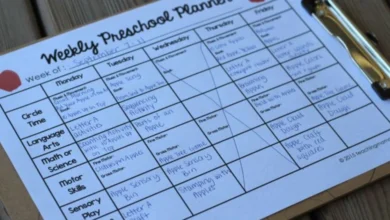
Step 4: Plan Weekly Writing Time
| Day | Activity |
| Monday | Grammar or skills lesson |
| Tuesday | Writing prompt |
| Wednesday | Editing practice |
| Thursday | Creative writing |
| Friday | Review and discussion |
Easy Daily Writing Activities for Homeschool
Daily writing does not need to be long or boring.
Simple Ideas
- Daily journal entries
- Writing about a picture
- Story starters
- Writing letters or emails
Real-Life Example
A homeschool parent asks their child to write directions on how to make a sandwich. This teaches clear writing, order, and explanation—real-world skills.
Teaching Writing at Different Ages
Early Learners
- Practice letter writing
- Copy short sentences
- Draw pictures and describe them
Middle Grades
- Learn paragraph structure
- Practice grammar rules
- Write short essays
High School Students
- Essay organization
- Research writing
- Editing and revision skills
Common Homeschool Writing Problems (and Easy Fixes)
“My child hates writing”
Fix:
Let them choose topics they love—sports, animals, games.
“Too many grammar mistakes”
Fix:
Correct only a few mistakes at a time. Do not overwhelm.
“No motivation”
Fix:
Praise effort, not just results.
Helpful Tools for Homeschool Writing
You do not need expensive programs.
Simple Writing Tools
| Tool | How It Helps |
| Notebook | Daily writing |
| Reading books | Improve vocabulary |
| Grammar chart | Quick reference |
| Writing prompts | Spark ideas |
How to Check Progress Without Stress
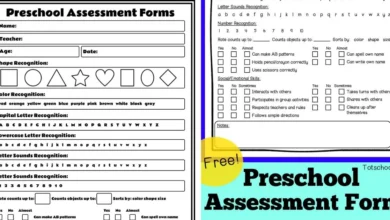
Assessment in a writing curriculum homeschool should feel supportive and encourage student growth.
Easy Ways to Track Progress
- Save writing samples
- Read work aloud together
- Compare older and newer writing
Look for clearer ideas, better sentence flow, and growing confidence.
Reading and Writing Go Together
Reading helps children learn:
- Sentence patterns
- New words
- Story structure
Encourage reading daily to support writing growth.
Adjusting Writing Curriculum for Learning Differences
A writing curriculum homeschool allows flexibility for every learner to progress at their own pace.
Helpful strategies:
- Short writing sessions
- Talking ideas before writing
- Using typing or speech tools
Every child can improve with the right approach.
How Long Should Writing Lessons Be?
- Young children: 10–15 minutes
- Middle grades: 20–30 minutes
- Older students: 30–45 minutes
Short and consistent works better than long and tiring.
Mistakes to Avoid in Homeschool Writing
- Expecting perfect writing
- Comparing children to others
- Correcting every small error
- Skipping regular practice
Focus on growth, not perfection.
[ FAQs] About Writing Curriculum Homeschool
FAQ 1: When should I start a writing curriculum in homeschool?
Most children can begin basic writing between ages 4 and 6, depending on readiness.
FAQ 2: Do I need a formal homeschool writing program?
No. Many families succeed using simple prompts, reading, and regular practice.
FAQ 3: How often should homeschool students write?
Writing 4–5 days a week is ideal, even if it is just a few sentences.
FAQ 4: How can I improve my child’s writing skills at home?
Be consistent, give clear examples, and offer gentle feedback.
FAQ 5: Is homeschool writing good enough for college preparation?
Yes. With steady practice, homeschool writing can fully prepare students for higher education.
Conclusion: Simple Writing Tips for Students
A strong writing curriculum homeschool approach helps students grow into confident writers over time. Writing is a skill that improves with patience, practice, and encouragement.Whether it’s a lesson, a new language, or a skill, writing strengthens the learning process.By writing down emotions like happiness, anger, or worry, the heart feels lighter and the mind finds peace.
Short Tips for Students
- Write a little every day
- Do not fear mistakes
- Read often
- Practice editing
- Enjoy the process
With the right support, a writing curriculum homeschool can make writing at home one of the most rewarding parts of your learning