Abeka Curriculum: A Complete Beginner’s Guide for Students
What Is Abeka Curriculum? Full Beginner’s Guide for Students
Introduction: What You Will Learn from This Article
Choosing the right curriculum is one of the most important decisions for a student or a family. If you are new to homeschooling, Christian education, or structured learning programs, you may have heard about the Abeka curriculum and wondered what it is and whether it is right for you.
In this article, you will learn:
- What the Abeka curriculum is
- How it works for students and beginners
- What subjects it includes
- Its teaching style and structure
- Pros and cons of Abeka
- How it compares with other curriculums
- Practical study tips and schedules
- Frequently asked questions
This guide is written in simple English, especially for students and beginners, so you can understand everything clearly and confidently.
This topic is part of the complete guide on the importance of curriculum in education.
What Is the Abeka Curriculum?
The Abeka curriculum is a well-known Christian-based educational program developed in the United States. It was created by Abeka Academy in partnership with Pensacola Christian College.
In simple words, Abeka is a traditional, structured curriculum designed to help students build strong academic foundations while learning from a Christian perspective.
Key Features of Abeka Curriculum
- Christian worldview
- Covers Kindergarten to Grade 12
- Strong focus on academics
- Textbooks, workbooks, and video lessons
- Used by schools and homeschoolers
The Abeka curriculum is known for being organized, clear, and detailed, making it suitable for students who like step-by-step learning.
Who Is the Abeka Curriculum Designed For?
The Abeka curriculum is used by many different types of learners.
Abeka Is Commonly Used By:
- Homeschooling students
- Christian private school students
- Online learners
- Beginners who need structured guidance
It is especially helpful for students who:
- Prefer clear instructions
- Learn well with repetition
- Need strong basics in reading, math, and writing
Teaching Style of the Abeka Curriculum
Traditional Classroom-Based Learning
The Abeka education system follows a traditional teaching style, similar to a classroom environment.
This means:
- Teachers explain lessons clearly
- Students listen and take notes
- Practice is done through worksheets
- Tests and quizzes check understanding
This method works well for students who prefer teacher-led instruction instead of self-discovery learning.
Daily Lesson Structure
Each lesson usually includes:
- Concept explanation
- Guided examples
- Practice exercises
- Review questions
- Tests or quizzes
This structure helps students stay disciplined and organized.

Subjects Covered in the Abeka Curriculum
The Abeka curriculum provides complete academic coverage from early grades to high school.
Core Subjects in Abeka
| Subject | What It Focuses On |
| Math | Step-by-step problem solving |
| English | Grammar, writing, vocabulary |
| Reading | Phonics and comprehension |
| Science | Creation-based science |
| Social Studies | History and geography |
| Bible | Christian teachings and values |
Each subject is taught in a systematic and progressive way, building knowledge year by year.
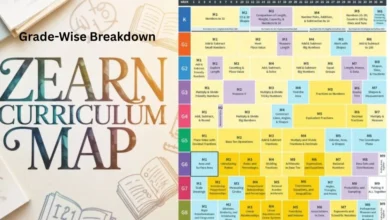
Grade-Wise Breakdown of Abeka Curriculum
Kindergarten to Grade 2 (Early Learning)
- Phonics-based reading
- Basic addition and subtraction
- Bible stories
- Simple science concepts
- Handwriting practice
Grades 3 to 6 (Elementary Level)
- Grammar and sentence structure
- Multiplication and division
- U.S. history and geography
- Life and earth science
- Reading comprehension
Grades 7 to 12 (Middle and High School)
- Algebra, geometry, and advanced math
- Literature and essay writing
- Biology, chemistry, and physics
- World history
- Bible doctrine studies
Abeka Homeschool Program Explained
The Abeka curriculum is very popular among homeschooling families because it offers ready-made programs.
Two Main Homeschool Options
1. Parent-Led Homeschool Program
- Parents teach using Abeka textbooks
- Lesson plans are provided
- Parents control the pace
- Flexible scheduling
2. Abeka Academy (Video-Based Learning)
- Students learn from recorded video classes
- Professional teachers teach each subject
- Includes homework, tests, and grading
- Suitable for independent learners
What Is Abeka Academy?
Abeka Academy is the online version of the Abeka education system.
Features of Abeka Academy
- Pre-recorded video lessons
- Experienced Christian teachers
- Daily assignments and tests
- Report cards and transcripts
- Accredited and non-accredited options
This option is useful for students who want:
- Classroom-style learning at home
- Less teaching responsibility for parents
Abeka Curriculum Accreditation
Abeka Academy offers both accredited and unaccredited programs.
Why Accreditation Matters
- Accredited programs are widely accepted by colleges
- Important for official transcripts
- Helpful for international students
Parents and students planning for college should choose the accredited Abeka Academy program.
Abeka Curriculum Books and Learning Materials
Abeka learning materials are known for their high quality and clarity.
Materials Included
- Student textbooks
- Teacher manuals
- Workbooks
- Test and quiz booklets
- Flashcards (for younger grades)
Design and Presentation
- Bright colors
- Clear layouts
- Easy-to-follow examples
- Visual aids for beginners
Cost of the Abeka Curriculum
The cost of the Abeka curriculum depends on grade level and program type.
Estimated Cost Table
| Program Type | Approximate Cost per Year |
| Parent-Led Homeschool | $300 – $700 |
| Abeka Academy (Unaccredited) | $1,000 – $1,500 |
| Abeka Academy (Accredited) | $1,500 – $2,000 |
Tip: Buying used books or choosing selective subjects can reduce costs.
Advantages of the Abeka Curriculum
Academic Benefits
- Strong foundation in reading and math
- Clear explanations
- Regular revision
- Well-structured lessons
Personal Development
- Builds discipline
- Encourages consistency
- Develops responsibility
- Promotes moral values
Disadvantages of the Abeka Curriculum
While Abeka has many strengths, it may not suit everyone.
Possible Limitations
- Heavy workload
- Less flexibility
- Traditional teaching style
- Limited project-based learning
- Strong religious focus
Understanding these points helps families make informed decisions.
Abeka Curriculum vs Other Learning Programs
Comparison Table
| Feature | Abeka Curriculum | Montessori | Online Platforms |
| Teaching Style | Teacher-led | Child-led | Self-paced |
| Structure | Highly structured | Flexible | Flexible |
| Religious Content | Yes | No | No |
| Best For | Discipline-focused students | Creative learners | Independent learners |
Is the Abeka Curriculum Right for You?
Abeka Is a Good Choice If You:
- Like clear schedules
- Prefer guided teaching
- Want strong academic basics
- Value moral education
Abeka May Not Be Ideal If You:
- Prefer flexible learning
- Enjoy project-based activities
- Want secular education
- Dislike heavy workloads
Step-by-Step Tips to Succeed with Abeka Curriculum
Tips for Students
- Follow the daily lesson schedule
- Complete assignments on time
- Revise weekly
- Ask questions when confused
- Take short breaks
Tips for Parents
- Set a regular study routine
- Monitor progress weekly
- Encourage without pressure
- Balance studies with play
Sample Daily Study Schedule
| Time | Activity |
| 9:00 – 10:00 | Math |
| 10:00 – 10:45 | English |
| 10:45 – 11:00 | Break |
| 11:00 – 11:45 | Science |
| 12:00 – 12:30 | Reading or Bible |
Common Mistakes to Avoid
- Studying for too many hours
- Skipping revision
- Ignoring breaks
- Comparing with others
- Rushing through lessons
College and Career Opportunities
Students who complete the Abeka curriculum often:
- Enter colleges and universities
- Apply to Christian institutions
- Pursue professional careers
Accredited Abeka programs are generally accepted by higher education institutions.
Frequently Asked Questions (FAQs)
Is the Abeka curriculum suitable for beginners?
Yes, Abeka is beginner-friendly and provides clear instructions.
Is Abeka curriculum only for Christian students?
It is Christian-based, but some non-Christian families use it for academics.
Can Abeka students attend college?
Yes, especially if they complete an accredited program.
Is Abeka curriculum difficult?
It can be challenging, but consistency makes it manageable.
Is Abeka curriculum recognized internationally?
Academically strong, but acceptance depends on local education systems.
Final Motivation for Students
Learning is a journey, not a competition. If you choose the Abeka curriculum, remember that success comes from daily effort and patience.
Study regularly, understand concepts clearly, and believe in your ability to grow. Strong foundations today will create a successful future tomorrow.
Stay consistent, stay confident, and keep learning.