Who Would Win Books: A Fun and Educational Reading Series for Kids
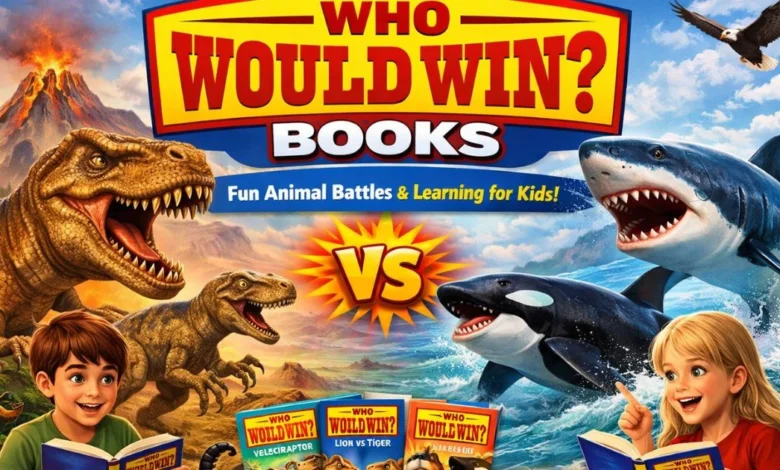
If you want a book series that keeps children excited while helping them learn, Who Would Win books are a strong choice. This popular children’s nonfiction series is loved by kids, parents, and teachers because it turns animal facts into fun reading. Instead of giving dry information, these books create exciting matchups between two animals or creatures. That simple idea makes learning feel more like an adventure. It is one of the main reasons the series has become so popular with young readers.
What Are Who Would Win Books?
Who Would Win books are children’s books that compare two animals, sea creatures, insects, or dinosaurs in a battle-style format. Each title asks which animal would win if the two faced each other in a realistic encounter. The book then explains their size, speed, strength, defense skills, habitat, and survival abilities. After comparing both sides, it gives a likely winner based on real facts. This makes the reading experience exciting while still teaching useful information.
The biggest appeal of Who Would Win books is the way they mix fun with learning. Children stay curious because they want to know which animal will win at the end. As they read, they learn about wildlife, behavior, and natural adaptations without feeling bored. This style is very different from many traditional animal fact books. That is why the series often feels more enjoyable and memorable for young readers.
Why Kids Love Who Would Win Books
Kids are naturally curious about powerful animals and dramatic face-offs. When they see a shark versus a killer whale or a lion versus a tiger, they instantly want to know the result. That curiosity creates strong interest from the very first page. It also encourages children to keep reading until the final answer is revealed. This is one reason Who Would Win books are so effective for children who usually lose interest quickly.
Another reason children enjoy the series is that the writing style is simple and easy to understand. The books use child-friendly language, so readers can follow the facts without feeling confused. Bright and exciting illustrations also make the matchups feel more real and fun. These visuals help younger readers stay engaged and understand the animals better. Because of this, Who Would Win books work well for both confident readers and reluctant readers.
Are Who Would Win Books Educational?
Yes, Who Would Win books are educational as well as entertaining. Even though the books focus on exciting animal battles, the facts are based on real animal traits and behavior. Children learn about habitats, hunting skills, defense systems, speed, and body features. They also discover how different animals survive in nature. This makes the series a smart choice for fun learning at home or in school.
The books also help children build important thinking skills. Readers compare strengths and weaknesses before deciding which animal might win. This supports critical thinking and improves reading comprehension. Children also learn new vocabulary related to animals and nature. Because the facts are connected to a dramatic matchup, many kids remember the information more easily.
Best Age Group for Who Would Win Books
Who Would Win books are usually best for children between the ages of 6 and 10. Younger children often enjoy them as read-aloud books because the matchups are exciting and easy to follow. Elementary school readers can often read them independently with confidence. Older kids who love animals, dinosaurs, or fun science facts may also enjoy them. That wide appeal makes the series useful for many age groups.
Parents and teachers often like the age flexibility of the series. A child who loves ocean animals may start with shark or whale books. Another child may prefer reptiles, insects, or prehistoric creatures. This makes it easier to match the right title with the child’s personal interests. When kids read about topics they already enjoy, they are more likely to stay engaged. That is why Who Would Win books are often a smart pick for building reading habits.
Why Parents and Teachers Recommend Who Would Win Books
Parents and teachers often recommend Who Would Win books because they are fun, useful, and easy to fit into learning routines. At home, the books can encourage children to read for enjoyment while still learning real animal facts. In classrooms, teachers can use them for science discussions, reading practice, and compare-and-contrast activities. The format also encourages children to make predictions and explain their opinions. This makes the books valuable beyond simple entertainment.
Another major reason adults like the series is that it works well for reluctant readers. Some children get bored by long or overly serious nonfiction books. The battle-style format creates instant excitement and gives them a clear reason to keep reading. Once they finish one title, they often want to try another. That repeat-reading value makes Who Would Win books a practical and reliable choice.
Popular Types of Who Would Win Books
The series includes many exciting matchups that appeal to different interests. Some children love ocean battles like whales versus sharks. Others prefer big cats, reptiles, creepy crawlers, or dinosaur showdowns. This variety helps keep the series fresh and gives readers many options to explore. It also means there is usually a title for almost every type of animal fan.
Below is a simple table showing the most popular types of Who Would Win books and why kids enjoy them:
| Book Type | Example Matchups | Why Kids Enjoy Them |
| Ocean Animals | Killer Whale vs. Great White Shark | Big sea creatures and dramatic battles |
| Big Cats | Lion vs. Tiger | Familiar animals with exciting rivalry |
| Reptiles | Crocodile vs. Python | Strong survival skills and intense action |
| Bugs & Insects | Tarantula vs. Scorpion | Creepy creatures that feel thrilling |
| Dinosaurs | T. Rex vs. Velociraptor | Prehistoric action and huge curiosity |
Why Who Would Win Books Stand Out
Many children’s animal books simply list facts, but Who Would Win books make those facts feel exciting. Instead of focusing on one animal alone, the series creates a direct comparison between two strong opponents. This gives every fact more importance because it helps shape the final outcome. Children stay more focused because they know the answer depends on what they are learning. That structure makes the books feel interactive and more memorable.
The series also stands out because it supports both fun and learning at the same time. Children enjoy the suspense and the challenge of guessing the winner. Adults appreciate the real educational value hidden inside the action. This balance makes the books useful for independent reading, classroom reading, and even family discussions. Few children’s nonfiction series create that same level of excitement and usefulness together.
Who Should Buy Who Would Win Books?
Who Would Win books are a great choice for parents who want educational books that children will actually enjoy reading. They are also helpful for teachers building classroom libraries with engaging nonfiction options. Homeschool families often like them because they make science topics feel less formal and more exciting. They can even work well as birthday gifts for kids who love animals, dinosaurs, or fun facts. Because the series is easy to enjoy, it fits many reading situations.
If a child struggles with motivation, these books can be especially useful. The exciting title alone often grabs attention before the reading even begins. Once the child starts, the fast pace and clear structure help maintain interest. This makes the series ideal for reluctant readers who need something more dynamic. That is why many adults continue choosing Who Would Win books again and again.
Conclusion
If you want a book series that makes learning fun, Who Would Win books are one of the best choices for young readers. They combine real animal facts, exciting battles, and easy-to-understand writing in a way that keeps children interested. The books help build reading confidence, improve thinking skills, and teach useful science knowledge at the same time. With strong appeal for kids, parents, and teachers, the series continues to stand out in children’s nonfiction. For any child who loves animals, action, and fun facts, Who Would Win books are an excellent reading option.
FAQs About Who Would Win Books
1. What are Who Would Win books?
They are children’s nonfiction books that compare two animals or creatures in a fact-based battle format.
2. Are Who Would Win books educational?
Yes, they teach real animal facts, habitats, and survival skills in a fun way.
3. What age group is best for Who Would Win books?
They are usually best for children ages 6 to 10, but older kids can enjoy them too.
4. Why do kids like Who Would Win books?
Kids enjoy the suspense, exciting matchups, and the chance to guess the winner.
5. Are Who Would Win books good for reluctant readers?
Yes, the fun battle format and simple writing style make them great for reluctant readers.