What’s a Fender Bender? Meaning, Causes, and How to Handle One
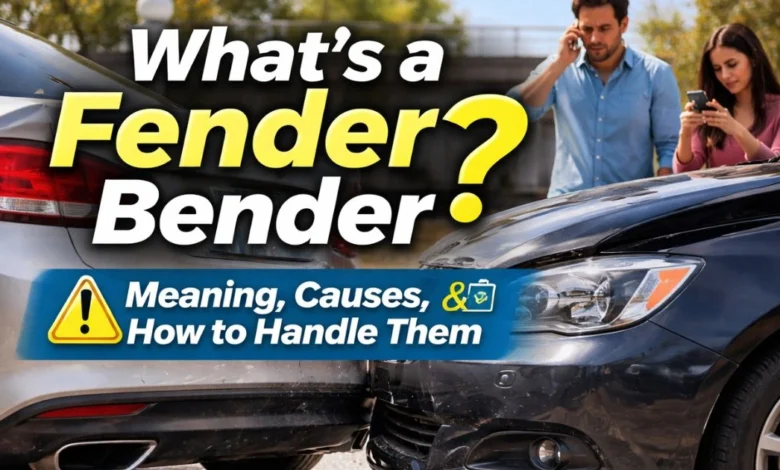
A fender bender is one of the most common types of minor car accidents, often causing little to no serious injury but sometimes leaving vehicles with dents, scratches, or minor damage. Understanding what’s a fender bender and how it happens can help drivers rfespond correctly and avoid further issues. Despite being minor, these collisions can be stressful for drivers, especially if they are unfamiliar with proper procedures.
Knowing the steps to take after a fender bender can save time, prevent additional damage, and ensure safety for everyone involved. From the moment it occurs to dealing with insurance and repairs, understanding what’s a fender bender helps drivers manage the situation calmly. This guide explains everything about what’s a fender bender, including causes, prevention, costs, and proper handling.
What Does “Fender Bender” Mean?
Definition
A fender bender refers to a low-impact vehicle collision that usually happens at slow speeds. Unlike major accidents, it typically results in minor cosmetic damage rather than structural issues. The term comes from the fender, a protective panel around the wheels, which is often the first part of the car to be damaged. These collisions are common in city driving, parking lots, and stop-and-go traffic. While injuries are rare, even minor incidents in a fender bender can sometimes cause whiplash or bruises. Recognizing the difference between what’s a fender bender and a serious accident helps drivers act appropriately.
Origin of the Term
The phrase “fender bender” has been used for decades in American English to describe small, non-life-threatening accidents. It emphasizes minor damage and differentiates these incidents from major collisions. In everyday conversation and media, the term fender bender conveys both the impact and the low level of danger. Understanding this context is helpful for drivers, insurance agents, and anyone learning about what’s a fender bender for the first time.
Common Causes of Fender Benders
Driver Mistakes
Most fender benders are caused by human error. Distracted driving, sudden braking, tailgating, or misjudging distances are frequent culprits. Even small lapses in attention, like checking a phone or adjusting the radio, can lead to minor collisions. Beginners and inexperienced drivers are especially prone to causing or being involved in a fender bender. Recognizing these patterns can help prevent future incidents.
Environmental Factors
Weather and road conditions also contribute to fender benders. Rain, snow, ice, or fog can make roads slippery, reduce visibility, and increase stopping distances. Poorly lit areas, crowded parking lots, or congested urban streets create situations where low-speed collisions are more likely. Drivers who adjust their speed and remain alert during unfavorable conditions reduce the risk significantly.
Vehicle Issues
Sometimes minor accidents occur due to mechanical failures. Malfunctioning brakes, worn-out tires, or sensor errors in modern vehicles can make it difficult to stop or maneuver in time. Routine maintenance and safety checks are critical to minimizing this type of risk. Even small vehicle issues can trigger a fender bender if unnoticed.
How to Handle a Fender Bender
Immediate Steps After the Accident
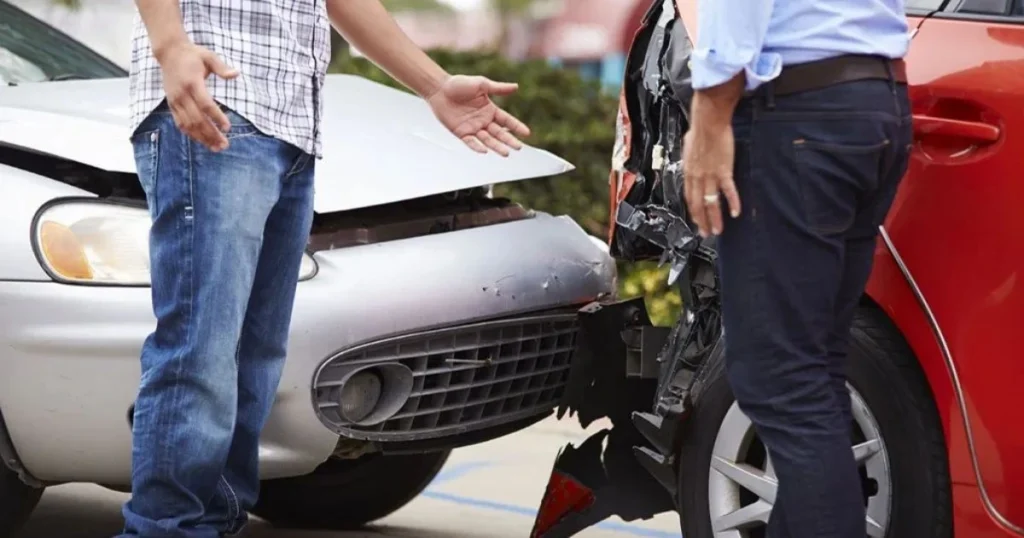
The first priority after a fender bender is safety. Check for injuries, move the vehicles to a safe area if possible, and turn on hazard lights. Remaining calm is crucial to prevent escalating tension or panic. Take note of all details, including location, direction of travel, and road conditions. Avoid leaving the scene until all necessary information is exchanged. Understanding what’s a fender bender and the proper steps can prevent misunderstandings and ensure safety.
Exchanging Information
Exchange driver information, including names, phone numbers, and insurance details. Document the damage with photographs from multiple angles. This ensures accurate records for all parties and prevents disputes later. Witness statements, if available, can provide additional clarity. Clear communication reduces confusion and helps resolve the situation quickly after a fender bender.
Filing an Insurance Claim
Minor collisions may not always require an insurance claim, but it is advisable to report the incident. Your insurance company can guide you on whether repairs are necessary and how costs will be handled. Keeping a record of communications, receipts, and photos helps when claims are processed. Handling the insurance efficiently ensures accountability after what’s a fender bender occurs.
Safety Tips to Avoid Fender Benders
Even though fender benders are minor, prevention is always better than repair. Maintain a safe following distance, obey speed limits, and avoid distractions like mobile phones while driving. Regularly check mirrors, brakes, and tires for safety. Be especially cautious in parking lots or areas with frequent stop-and-go traffic. Defensive driving habits reduce the likelihood of minor collisions and improve overall road safety.
Cost of a Fender Bender
The cost of a fender bender can vary based on damage, vehicle type, and whether professional repairs are needed. Minor scratches or bumper dents might cost a few hundred dollars to repair, while slightly larger damage could cost $1,000 or more. Some drivers opt for DIY fixes for very small cosmetic damage. Insurance may cover some or all costs depending on the policy. Understanding potential expenses helps drivers make informed decisions after what’s a fender bender.
Fender Bender vs Major Accident
| Feature | Fender Bender | Major Accident |
| Damage | Minor scratches, dents | Severe vehicle damage |
| Injuries | Rare, usually minor | Possible serious injuries |
| Police Report | Often not required | Usually required |
| Insurance Claim | Optional | Almost always necessary |
| Speed | Low-speed collision | High-speed crash |
FAQs
Q1: What is a fender bender?
A: A minor car accident causing low vehicle damage, usually at low speeds.
Q2: Do I need to call the police?
A: Usually not for minor damages unless local law requires it.
Q3: Will insurance rates increase?
A: It depends on your insurance policy and your past claim history.
Q4: How much does a fender bender cost?
A: Minor damages typically range from $200 to $1,500 depending on repair needs.
Q5: Can a fender bender cause injury?
A: Yes, even low-impact collisions can cause whiplash, bruises, or minor injuries.
Conclusion
Fender benders may seem minor, but knowing what’s a fender bender and how to handle one can save time, money, and stress. Understanding causes, immediate steps, safety tips, and potential costs ensures drivers respond calmly and effectively. By staying alert, following safety measures, and documenting minor collisions properly, you can minimize risks and avoid complications.
Even small accidents deserve proper attention to protect yourself, passengers, and your vehicle. Being prepared transforms a stressful fender bender into a manageable situation, keeping you confident and safe on the road.