Sustainable Manufacturing: Efficiency Meets Responsibility
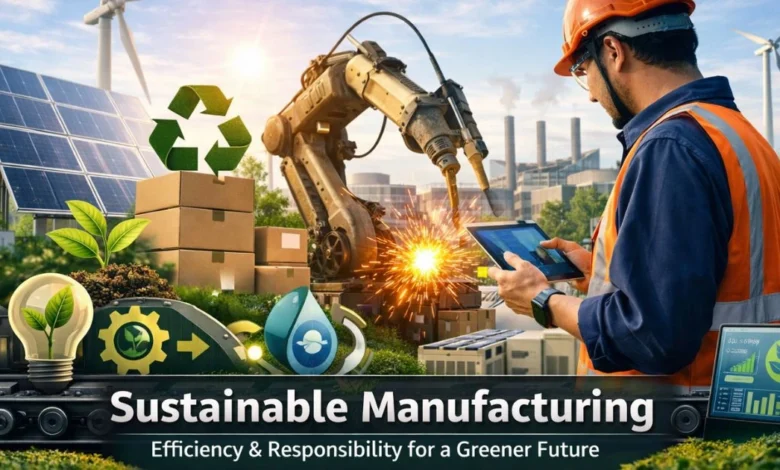
Did you know that manufacturing contributes over 20% of global greenhouse gas emissions? Businesses worldwide are realizing that sustainable manufacturing practices are no longer optional—they’re essential for reducing costs, improving efficiency, and building a competitive edge. From energy-efficient production to circular economy strategies, these practices help companies operate responsibly while boosting long-term profitability.
Small and medium enterprises (SMEs) are discovering that even modest sustainable changes can drive efficiency, brand value, and regulatory compliance, laying the foundation for a greener, smarter future.
What Is Sustainable Manufacturing and Why It Matters?
Sustainable manufacturing focuses on producing goods with minimal environmental impact while maintaining high-quality standards and operational efficiency. It involves:
- Efficient use of resources (energy, water, raw materials)
- Reducing emissions and carbon footprint
- Integrating renewable energy into production
- Promoting circular economy approaches like recycling and reuse
The goal is a balance between profit, social responsibility, and environmental stewardship. Companies that adopt these practices often use lean manufacturing, eco-friendly sourcing, and recycling initiatives to stay profitable while helping the planet.
Key Principles of Sustainable Manufacturing Practices
- Resource Efficiency – Optimize energy, minimize material waste, and use renewable or recycled resources.
- Emission Reduction – Adopt clean technologies and low-emission production methods.
- Circular Economy Practices – Reuse, recycle, and responsibly dispose of materials to close production loops.
- Energy Management – Use energy-efficient machinery, renewable energy, and smart monitoring systems.
- Workforce Engagement – Train employees in sustainable practices and encourage innovation at all levels.
Benefits of Sustainable Manufacturing Practices
Implementing sustainable practices offers both short-term and long-term gains:
- Cost Savings: Less energy and materials usage reduce operational costs.
- Regulatory Compliance: Stay ahead of environmental regulations and avoid fines.
- Brand Reputation: Eco-conscious consumers prefer companies known for sustainability.
- Innovation: Sustainability drives creative solutions and technology upgrades.
- Market Differentiation: Responsible practices help businesses stand out in competitive markets.
Common Sustainable Practices and Their Business Impact
| Practice | Environmental Benefit | Business Advantage |
| Energy-efficient machinery | Reduces electricity usage and emissions | Lowers utility costs |
| Water recycling systems | Conserves freshwater | Reduces water bills and regulatory risks |
| Eco-friendly materials | Minimizes resource depletion | Strengthens sustainability image |
| Lean manufacturing | Reduces waste and defects | Improves productivity and cuts costs |
| Renewable energy adoption | Lowers carbon footprint | Long-term energy savings, incentives |
Pro Tip: Even small actions like switching to LED lighting or introducing waste segregation can create measurable sustainability results.
How SMEs Can Implement Sustainable Manufacturing Practices
For small and medium businesses, starting small is key:
- Audit Operations: Identify high-energy or high-waste areas.
- Set Goals: Define measurable targets for emissions, energy use, and waste reduction.
- Employee Training: Engage staff in sustainability initiatives.
- Supplier Collaboration: Partner with eco-conscious suppliers.
- Continuous Improvement: Regularly review and optimize processes.
Example: Switching to LED lighting in factories can reduce energy consumption by up to 30%, saving thousands annually.
Overcoming Challenges in Sustainable Manufacturing
Common barriers include:
- High upfront costs for green technologies
- Resistance to change among employees or suppliers
- Limited access to eco-friendly materials or machinery
Solutions:
- Apply for government incentives, grants, or subsidies for sustainable operations
- Demonstrate cost savings with pilot projects
- Set realistic, phased targets to gradually implement changes
Real-World Examples of Sustainable Manufacturing Success
- Automotive Industry: Using recycled materials in car production and renewable energy in factories.
- Textile Manufacturing: Reducing water use with innovative dyeing processes and recycling fabrics.
- Electronics: Designing longer-lasting products with recyclable components.
These cases show that sustainability is feasible, profitable, and scalable across industries.
FAQs About Sustainable Manufacturing Practices
1. What is sustainable manufacturing?
It’s producing goods efficiently while minimizing environmental impact.
2. Why should businesses adopt sustainable practices?
To save costs, improve brand image, and comply with environmental standards.
3. Can small businesses implement sustainable methods?
Yes. Starting with small, cost-effective steps can lead to measurable results.
4. Does sustainable manufacturing increase costs?
Initial investments may be higher, but long-term savings and efficiency gains outweigh costs.
5. Which industries benefit most from sustainability?
All industries, especially manufacturing, textiles, electronics, and automotive.
Conclusion: Building a Sustainable Future in Manufacturing
Sustainable manufacturing practices are a strategic necessity for long-term business success. By optimizing resources, reducing emissions, and embracing circular economy principles, companies protect the environment while gaining a competitive edge.
SMEs can start with simple steps, gradually scaling efforts to achieve measurable impact. Beyond operational efficiency, sustainability strengthens brand reputation, attracts eco-conscious customers, and drives innovation.
Investing in sustainable manufacturing today ensures a resilient, profitable, and responsible future for both businesses and the industries they serve.