Sensory Bins for Preschoolers: The Ultimate Guide for Fun and Learning
Unlock Fun Learning with Sensory Bins for Preschoolers: Hands-On Play & Development Benefits
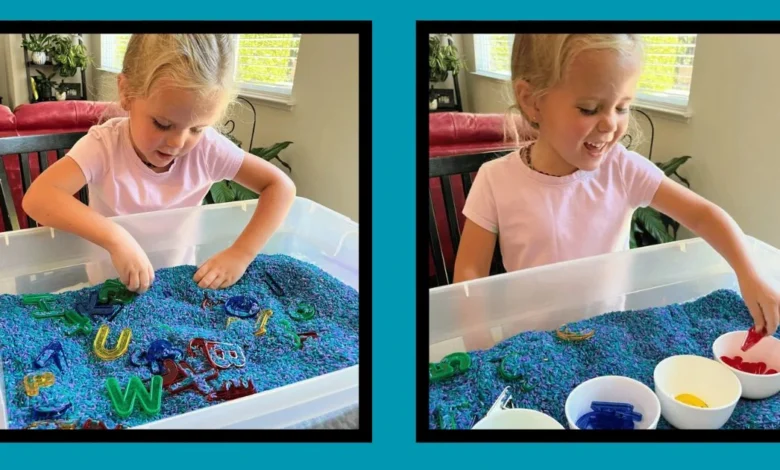
Sensory bins for preschoolers are an engaging and educational tool that can significantly enhance early childhood development activities. These interactive bins stimulate a child’s senses, promoting cognitive, emotional, and motor skills in a playful environment. By incorporating various textures, colors, and materials, preschoolers can explore the world around them while learning through hands-on learning for preschoolers activities. Sensory play for kids has been proven to improve concentration, creativity, and problem-solving skills, making it a must-have resource for parents and educators alike.
In this comprehensive guide, we will explore the benefits, types, setup, and best practices for sensory bins for preschoolers, ensuring that your child gains the maximum developmental advantage from this activity, including DIY sensory bins and creative sensory bin ideas.
What Are Sensory Bins for Preschoolers?
Sensory bins for preschoolers are containers filled with materials that stimulate one or more senses. These bins can include rice, sand, water beads, beans, or even themed objects such as miniature animals or seasonal items. The purpose is to provide a safe and controlled environment where children can explore textures, shapes, colors, and even smells through Montessori sensory activities and toddler sensory play ideas. Preschoolers develop fine motor skills activities as they scoop, pour, and manipulate objects within the bin.
Sensory bins also encourage imaginative play, allowing children to create scenarios and stories while learning basic scientific concepts such as volume, weight, and cause-and-effect relationships. Age-appropriate sensory bins can easily complement preschool learning toys in classrooms or at home.
Benefits of Sensory Bins for Preschoolers
1. Enhances Cognitive Development
Sensory bins for preschoolers are powerful tools for cognitive growth. As children explore different materials, they practice categorization, problem-solving, and critical thinking through educational sensory activities. For example, sorting colored beads or counting beans helps develop mathematical skills naturally. Interactive learning activities stimulate curiosity and observation, forming the foundation for early science learning. Over time, children develop stronger memory and attention skills by engaging consistently with sensory bins.
2. Boosts Motor Skills
Manipulating small objects in sensory bins improves both fine and gross motor skills. Preschoolers develop hand-eye coordination as they scoop, pinch, and pour materials. This practice strengthens the small muscles in their hands, preparing them for writing, drawing, and other preschool fine motor games. Gross motor skills are also stimulated when children reach, stretch, or move objects within larger sensory bins. This dual benefit makes sensory bins for preschoolers an effective tool for physical development.
3. Supports Emotional and Social Growth
Sensory bins for preschoolers can also promote emotional regulation. Engaging in tactile play helps children release stress and anxiety naturally. Working with peers encourages sharing, turn-taking, and collaborative problem-solving, which aligns with preschool classroom activities. Sensory play fosters patience and concentration, which are critical for social interactions. Additionally, children learn to express themselves creatively, building confidence and self-esteem in the process.
4. Encourages Language Development
Language skills are enhanced as children describe textures, colors, and actions during sensory play. Parents and educators can prompt children with questions, expanding vocabulary and sentence formation through interactive learning activities. For example, asking, “How does the rice feel?” or “Can you find the red bead?” encourages verbal interaction. Storytelling during imaginative play within sensory bins further develops narrative skills. Overall, sensory exploration for kids provides a rich environment for linguistic growth.
Types of Sensory Bins for Preschoolers
1. Water-Based Sensory Bins
Water-based sensory bins are perfect for tactile exploration and can include water beads, colored water, or floating toys. These bins provide a soothing experience while encouraging children to experiment with pouring, sinking, and floating objects. Supervision is crucial to ensure safety during water play. Adding scents or soap bubbles can enhance sensory stimulation and make the activity more engaging. Sensory table ideas often fall into this category.
2. Nature-Themed Sensory Bins
Nature-themed sensory bins use materials from the outdoors such as leaves, rocks, sand, or pinecones. They connect preschoolers with the natural world, teaching basic concepts of ecology and science. Children can learn about textures, shapes, and even simple counting using these natural materials. Rotating materials seasonally can maintain engagement and excitement, making them excellent for early childhood development activities.
3. Food-Based Sensory Bins
Using edible materials like pasta, rice, or dried beans provides a safe and engaging sensory experience. Children can sort by color, size, or texture, promoting cognitive and fine motor skills. Food-based sensory bins also introduce early concepts of measurement and volume. Always supervise to prevent accidental ingestion of non-edible items. Sensory bin fillers for kids like pasta or rice are perfect for these activities.
4. Themed Sensory Bins
Themed sensory bins for preschoolers can be designed around holidays, favorite characters, or educational topics. For example, a farm-themed bin can include miniature animals, hay, and toy tractors. These bins spark imaginative play and make learning more relatable and fun. Themed bins also provide opportunities for storytelling and role-playing, which enhance cognitive and language development. DIY sensory bins allow parents and teachers to create personalized themed experiences, fostering creativity.
How to Set Up Sensory Bins for Preschoolers?
Setting up sensory bins for preschoolers requires thoughtful planning to ensure safety and educational value. Begin by selecting a sturdy container appropriate for the age group. Choose sensory materials based on the intended learning outcomes, such as tactile stimulation, color recognition, or counting practice. Arrange tools like scoops, cups, and tongs to promote fine motor development and hands-on learning for preschoolers. Ensure the setup area is easy to clean, preferably using a washable mat or tray for mess-free sensory play. Always supervise preschoolers during play to maintain safety and encourage active engagement, including toddler learning through play.
Safety Tips for Sensory Bins for Preschoolers
- Avoid small items for children under three to prevent choking hazards.
- Ensure all materials are non-toxic and safe for handling.
- Supervise water-based or edible sensory bins at all times.
- Use washable mats or trays to contain mess and simplify cleanup.
- Rotate materials regularly to maintain interest and avoid mold or bacterial growth.
Educational Activities with Sensory Bins for Preschoolers
1. Sorting and Categorizing
Sorting by color, size, or type within a sensory bin encourages logical thinking. For example, a rice bin can be combined with colored beads to create sorting games that boost early math skills and support fine motor skills activities.
2. Counting and Measuring
Preschoolers can practice counting beans, pasta, or small toys in sensory bins. Adding cups and spoons introduces measurement concepts, laying the foundation for future math learning and supporting educational sensory activities.
3. Storytelling and Role-Play
Themed sensory bins for preschoolers promote imaginative storytelling. Children can create scenarios using mini-figures, animals, or other objects, enhancing creativity and language skills. Sensory exploration for kids in this context encourages hands-on learning for preschoolers and toddler sensory play ideas.
4. Texture Exploration
Encourage children to describe what they feel in sensory bins. Asking questions about texture, weight, and temperature promotes vocabulary expansion and scientific observation skills. Sensory toys for toddlers can be integrated to enrich this experience.
Table: Popular Sensory Bin Materials and Their Benefits
| Material | Sensory Experience | Developmental Benefit |
| Rice | Tactile, visual | Fine motor skills, counting |
| Sand | Tactile | Creativity, problem-solving |
| Water beads | Tactile, visual | Hand-eye coordination, focus |
| Dried beans | Tactile, auditory | Sorting, cognitive development |
| Miniature toys | Visual, imaginative | Storytelling, social skills |
| Leaves & rocks | Tactile, natural | Science awareness, exploration |
| Pasta | Tactile, auditory | Measurement, fine motor skills |
Frequently Asked Questions About Sensory Bins for Preschoolers
1. Are sensory bins safe for toddlers?
Yes, sensory bins can be safe for toddlers if age-appropriate sensory bin fillers for kids are used. Avoid small items that pose choking hazards and always supervise play. Edible or larger items are ideal for children under three.
2. How often should I rotate materials in sensory bins?
Rotating materials every 1-2 weeks keeps preschoolers engaged and stimulates curiosity. Seasonal changes, DIY sensory bins, or themed sensory play for kids also maintain excitement and provide new learning opportunities.
3. Can sensory bins help with behavioral issues?
Sensory bins for preschoolers can help regulate emotions and reduce stress. Engaging tactile activities provide a calming effect and improve focus, which may reduce behavioral challenges over time. Mess-free sensory play options can be particularly helpful.
4. Do I need special storage for sensory bin materials?
Yes, storing materials in airtight containers prevents contamination, moisture, and pests. Label containers clearly for easy access and organized rotation, supporting toddler learning through play.
5. Can sensory bins be used in classrooms?
Absolutely. Sensory bins for preschoolers are excellent for preschool classroom activities. They promote social interaction, collaborative play, and hands-on learning, complementing structured lessons effectively.
Conclusion
Sensory bins for preschoolers are a versatile and essential tool for early childhood development activities. They support Montessori sensory activities, toddler sensory play ideas, and preschool learning toys while enhancing fine motor skills activities and cognitive growth. From DIY sensory bins to sensory table ideas, these interactive learning activities stimulate multiple senses and foster creativity, emotional regulation, and social skills. Incorporating age-appropriate sensory bins, sensory bin fillers for kids, and educational sensory activities into daily routines ensures holistic growth and keeps children engaged in hands-on learning for preschoolers.
Sensory exploration for kids is not just play—it’s a powerful pathway to learning, development, and lifelong curiosity.