California Solar Panel Reimbursement Legal Battle: The 2026 Survival Guide
The California solar panel reimbursement legal battle has reached a fever pitch in 2026, fundamentally altering the financial landscape for millions of homeowners. At the center of this storm is the transition from NEM 2.0 to the highly controversial Net Billing Tariff, popularly known as NEM 3.0. This policy shift, enacted by the California Public Utilities Commission (CPUC), slashed the credits homeowners receive for sending excess energy back to the grid by nearly 75–80%.
As major advocacy groups take this fight to the appellate courts, the core argument rests on whether the state is illegally discouraging renewable energy adoption. For those invested in green tech, understanding the outcome of this dispute is now a matter of financial survival.
The CPUC vs. Solar Rights: Why the Lawsuit Matters
The California solar panel reimbursement legal battle began when environmental non-profits and solar trade associations filed a major lawsuit claiming the CPUC failed its statutory duty to support the growth of rooftop solar. The plaintiffs argue that the new reimbursement structure creates an “unfair cost shift” that primarily benefits large utility companies like PG&E and SCE. On the other side, utilities claim that solar customers were previously not paying their fair share for grid maintenance, leaving non-solar low-income families with higher bills. This disagreement has now led to a judicial review that could potentially force a retroactive adjustment of export rates. While the courts deliberate, the solar industry has already seen a noticeable cooling effect, with installation rates dropping across the state.
Understanding the “Avoided Cost Calculator” Impact
To understand why the California solar panel reimbursement legal battle has become so intense, it is important to look at the technical shift in how solar energy is valued in 2026. Under the old rules, homeowners were reimbursed at near-retail rates, but the new “Avoided Cost Calculator” (ACC) values energy based on its worth to the utility at specific times. This means that during the sunniest parts of the day, when production is highest, the reimbursement rate is often at its lowest. Legal challengers argue that this formula is intentionally opaque and fails to account for the environmental benefits of distributed generation. If the court finds the ACC methodology flawed, it could trigger a mandatory rewrite of California’s solar compensation laws.
The Rise of Battery Storage as a Legal Defense
One of the most interesting developments in the California solar panel reimbursement legal battle is how the CPUC uses battery storage as a justification for lower rates. The state argues that by reducing export credits, it is nudging homeowners to install battery systems like the Tesla Powerwall to increase grid resiliency. However, lawyers representing homeowners point out that the high cost of batteries—often exceeding $10,000—creates a “green divide” where only wealthier households can afford a reasonable ROI. The legal debate now includes questions about energy equity and whether the state can indirectly push consumers toward expensive technology through punitive reimbursement structures. This issue is expected to be a major factor in upcoming court proceedings.
Personal Insight: The Dilemma of New Solar Owners
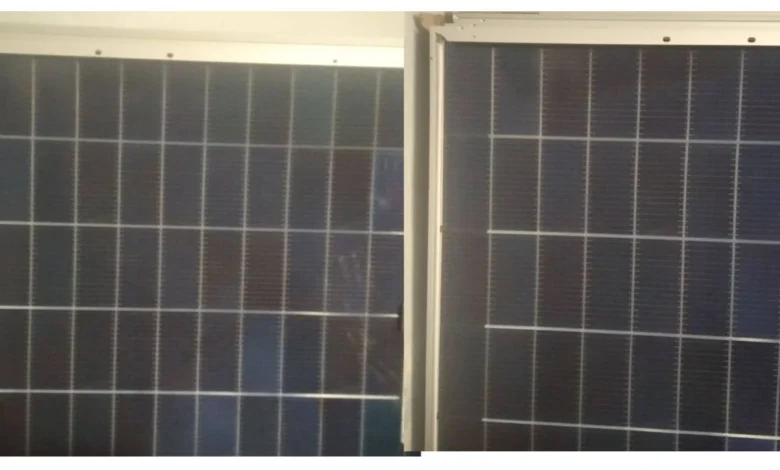
As I look at the solar panels sitting in my own driveway, waiting to be bolted to the roof, the California solar panel reimbursement legal battle becomes incredibly personal. Like many Californians, I invested in this technology with the hope of energy independence, yet the uncertainty around NEM 3.0 has turned a straightforward home improvement into a complicated financial gamble. Seeing these panels uninstalled serves as a silent reminder of the thousands of homeowners caught between utility companies and state regulators. We are not just buying hardware—we are buying into a promise of a greener future, and right now that promise depends heavily on how the courts interpret California’s energy policies.
Data Breakdown: NEM 2.0 vs. NEM 3.0 Financials
To visualize the impact of the California solar panel reimbursement legal battle, it helps to compare the reimbursement numbers that sparked the controversy. The table below shows why so many homeowners are frustrated with the current policy structure.
| Feature | NEM 2.0 (Legacy) | NEM 3.0 (Current Battle) |
| Avg. Export Rate | $0.25 – $0.35 per kWh | $0.05 – $0.08 per kWh |
| Payback Period | 5 – 7 Years | 9 – 14 Years |
| Monthly Savings | High (Grid Reliance) | Low (Unless using Battery) |
| Grid Access Fee | Minimal | High Infrastructure Charges |
Frequently Asked Questions
Is the California solar lawsuit still active in 2026?
Yes, several appellate challenges are currently being heard to determine if NEM 3.0 violates state law. The California solar panel reimbursement legal battle remains active and continues to shape homeowner decisions.
Will I get a refund if the solar advocates win?
It is possible, but it depends on whether the court orders retroactive credit adjustments for NEM 3.0 customers.
Is it still worth getting solar in California right now?
Only if you pair it with a battery storage system to reduce dependence on low grid reimbursement rates.
What is the main goal of the legal battle?
The main goal of the California solar panel reimbursement legal battle is to push for fairer export credit rates that keep rooftop solar financially sustainable for homeowners.
Did the lawsuit stop the new low rates?
No, the NEM 3.0 rates remain in effect while the legal proceedings continue in the background.
Final Verdict: Navigating the Uncertainty
The California solar panel reimbursement legal battle is more than just a policy dispute—it is a fight over the future of decentralized energy in America. While the courts may eventually provide some relief, the current reality favors homeowners who focus on energy independence rather than relying on grid exports. That means maximizing self-consumption through battery storage, smart home tech, and better energy planning. The final judgment will likely set a precedent for other states, determining whether rooftop solar remains a middle-class asset or becomes harder for average homeowners to justify. Regardless of the outcome, the old era of “selling back to the grid” for easy savings has clearly evolved into an era of “store and use your own power. The California solar panel reimbursement legal battle guides homeowners.