What Does IT Stand For in Technology? A Comprehensive Guide
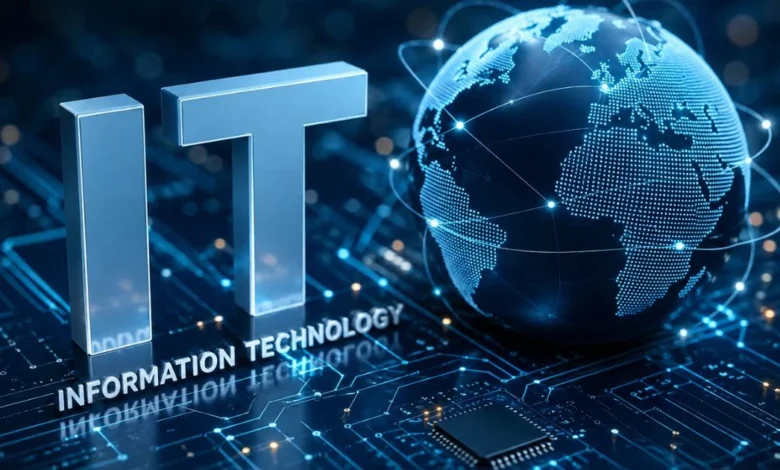
In the modern digital landscape, the term “Information Technology” is much more than just a common industry buzzword. When we ask what does IT stand for in technology, we are exploring the foundational systems that allow businesses and individuals to create, process, and secure electronic data. From the smartphone in your pocket to the massive servers powering global financial markets, IT represents the convergence of hardware, software, and human ingenuity. Understanding this concept is essential for anyone looking to navigate the complexities of the 21st-century economy effectively.
The Foundational Definition: Decoding Information Technology
To truly grasp what does IT stand for in technology, one must look at the literal meaning of Information Technology. It is the application of computers and telecommunications equipment to store, retrieve, transmit, and manipulate data. Unlike simple mechanical processes, IT involves complex logical structures that enable high-speed decision-making and global connectivity. In a business context, the IT department is responsible for ensuring that the technological infrastructure is reliable, secure, and capable of supporting growth.
The Role of Hardware in IT Infrastructure
Hardware serves as the physical backbone of the industry, encompassing everything from physical servers to networking cables. When discussing what does IT stand for in technology, we must acknowledge that without robust hardware, software has no place to execute. High-performance processors, solid-state drives, and advanced routers are the “muscles” that perform the heavy lifting of data processing. Modern businesses invest heavily in these physical assets to ensure their digital operations remain fast and responsive for users.
Software: The Brains Behind the Machine
While hardware provides the physical power, software provides the logic and instructions that make technology useful. Software engineering is a massive subset of the field, creating the operating systems and applications we use every day. If you want to know what does IT stand for in technology, consider software as the interface that bridges the gap between human needs and machine capabilities. From complex ERP systems to simple mobile apps, software is what turns raw data into actionable information.
Why Information Technology Dominates the Global Economy
The primary reason people ask what does IT stand for in technology is the massive influence this sector has on global productivity. Information Technology allows for the automation of repetitive tasks, which significantly reduces human error and operational costs. By leveraging cloud computing and real-time analytics, companies can now reach customers on the other side of the planet in milliseconds. This digital revolution has leveled the playing field, allowing small startups to compete with massive corporations through superior tech.
Enhancing Security in a Digital-First World
As our reliance on digital systems grows, the “Security” aspect of IT becomes the most critical priority for organizations. Cybersecurity involves protecting sensitive information from unauthorized access, theft, or damage by malicious actors. When explaining what does IT stand for in technology, it is vital to mention that IT professionals act as digital guardians. They implement firewalls, encryption, and multi-factor authentication to ensure that the data we share online remains private and protected.
| IT Component | Primary Function | Real-World Example |
| Networking | Connecting devices for data exchange | Global Internet & Corporate LAN |
| Cloud Computing | Remote data storage and processing | Amazon Web Services (AWS) |
| Data Management | Organizing and analyzing information | SQL Databases & Big Data |
| Cybersecurity | Protecting systems from digital attacks | Firewalls & Antivirus Software |
| Support Services | Troubleshooting and maintenance | IT Help Desks & Tech Support |
The Evolving Landscape: The Future of IT
The definition of what does IT stand for in technology is constantly shifting as new breakthroughs like Artificial Intelligence (AI) and the Internet of Things (IoT) emerge. We are moving toward a world where technology is “invisible,” seamlessly integrated into our homes, cars, and even our clothing. This evolution requires a workforce that is adaptable and constantly learning new programming languages and architectural frameworks. The future of IT lies in making systems smarter, faster, and more intuitive for the average user.
Careers in the Information Technology Sector
For those looking to enter the field, the career opportunities are vast and generally offer higher-than-average salaries. Roles range from network architects and systems analysts to specialized cybersecurity experts and data scientists. Understanding what does IT stand for in technology is the first step toward a lucrative career in a field that shows no signs of slowing down. As long as there is data to be processed and protected, the demand for skilled IT professionals will continue to grow worldwide.
(FAQs)
- What is the simplest definition of IT? It stands for Information Technology, the use of computers and systems to manage and process data.
- Is IT the same as Computer Science? No, IT focuses on using and maintaining systems, while Computer Science focuses on creating them.
- Why is IT important for small businesses? It helps automate tasks, improves communication, and protects customer data from hackers.
- What are the three main pillars of IT? The three pillars are IT Governance, IT Operations, and IT Infrastructure.
- Can I work in IT without a degree? Yes, many professionals enter the field through certifications and hands-on technical experience.
Conclusion
To conclude, when we define what does IT stand for in technology, we are describing the very engine of modern civilization. Information Technology is the bridge between human imagination and digital reality, providing the tools necessary for global progress. Whether through hardware maintenance, software development, or rigorous cybersecurity, IT ensures our world stays connected and efficient. As we look to the future, embracing these technological advancements will be the key to solving the world’s most complex challenges.