How to Start a Preschool at Home: Complete Step-by-Step Guide
Step-by-Step Guide to Setting Up a Safe and Profitable Home Preschool
If you are wondering How to Start a Preschool at Home, you are not alone. Many parents and educators are exploring home-based early learning programs because they are flexible, affordable, and rewarding. Understanding How to Start a Preschool at Home requires proper planning, knowledge of child development, and a safe learning environment.
A structured approach helps you build a strong foundation for young learners. With the right setup, curriculum, and routine, you can create a nurturing space that supports early childhood growth. This complete guide explains everything in a simple and practical way.
Understanding the Basics Before You Begin
Before diving into How to Start a Preschool at Home, it is important to define your purpose and goals. Decide whether you want a small learning group for a few children or a structured program operating as a business. Research local childcare laws and licensing requirements to ensure compliance. Planning ahead prevents legal issues and builds trust with parents. Clear objectives also help you design your classroom structure effectively. Starting with clarity makes the entire process smoother and more professional.
Choosing the Right Age Group
When learning How to Start a Preschool at Home, selecting the appropriate age group is essential. Most home preschools focus on children between three and five years old. Younger children need more play-based and sensory activities. Older preschoolers can handle early literacy and basic math lessons. Understanding developmental stages ensures age-appropriate learning experiences. This step directly impacts your curriculum design and daily schedule.
Setting Up a Safe and Engaging Learning Space
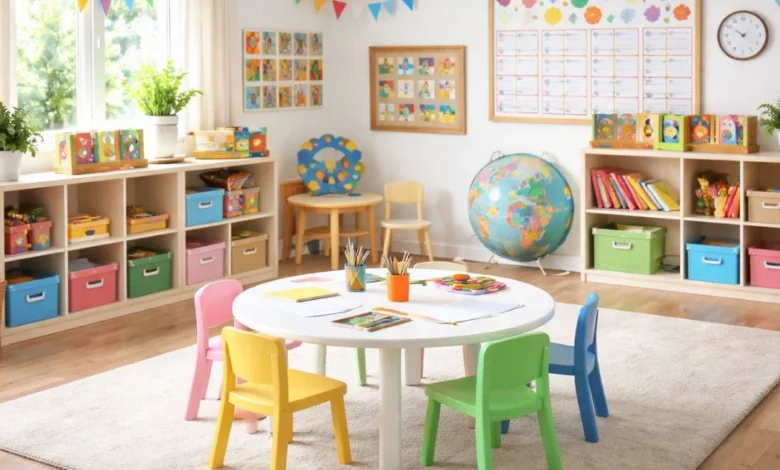
One major step in How to Start a Preschool at Home is preparing a dedicated classroom area. The space should be clean, organized, and child-friendly. Use low shelves, labeled storage bins, and child-sized furniture. Safety measures such as outlet covers and secured furniture are necessary. Good lighting and ventilation improve focus and comfort. A structured environment promotes independence and confidence among children.
Creating Learning Centers
A successful strategy in How to Start a Preschool at Home includes dividing your space into learning centers. You can create areas for reading, art, building blocks, dramatic play, and sensory exploration. Learning centers encourage hands-on engagement and independent discovery. Rotating materials keeps children interested and motivated. Organized zones also help manage classroom behavior effectively. This structure supports holistic child development.
Designing a Strong Preschool Curriculum
An essential part of How to Start a Preschool at Home is building a balanced curriculum. Your lesson plans should include literacy, math, science, social skills, art, and physical development. Weekly themes help organize activities and maintain consistency. Structured lesson planning reduces stress and improves teaching confidence. Include both guided instruction and free play time. A well-rounded curriculum supports cognitive and emotional growth.
Core Learning Areas to Include
When planning How to Start a Preschool at Home, focus on core developmental domains. Literacy activities may involve storytelling, phonics games, and alphabet recognition. Math can include counting, sorting, and simple pattern exercises. Science exploration encourages observation and curiosity. Creative arts improve fine motor skills and imagination. Covering these areas ensures comprehensive early education.
Creating a Consistent Daily Routine
Understanding How to Start a Preschool at Home also means building a predictable daily schedule. Children thrive in structured environments where they know what to expect. Begin with circle time to build communication skills. Follow with focused learning sessions and interactive play. Include snack breaks, outdoor time, and quiet activities. Consistency improves discipline, behavior management, and overall learning outcomes.
Balancing Structure and Play
A key principle in How to Start a Preschool at Home is balancing academic structure with playful exploration. Preschoolers learn best through engaging and interactive experiences. Avoid overly strict schedules that limit creativity. Play-based learning enhances problem-solving and social interaction. Flexible teaching methods keep children motivated. This balance creates a joyful learning atmosphere.
Managing Safety, Budget, and Resources
Another important factor in How to Start a Preschool at Home is managing your budget wisely. You do not need expensive tools to begin. Basic supplies like books, puzzles, art materials, and educational toys are enough. Focus on quality rather than quantity. Ensure your home meets health and safety standards at all times. Proper preparation builds credibility and trust.
Promoting and Growing Your Home Preschool
If you plan to operate as a business, marketing is part of How to Start a Preschool at Home successfully. Create a clear program description highlighting your strengths and teaching approach. Word-of-mouth marketing works well in local communities. Social media platforms can help showcase classroom activities. Professional communication builds strong parent relationships. Growth depends on trust and quality education.
Common Mistakes to Avoid
While learning How to Start a Preschool at Home, avoid overloading children with too many activities. Do not rely only on worksheets instead of hands-on experiences. Skipping lesson planning leads to inconsistency. Ignoring safety guidelines can cause serious issues. Overcomplicating your program may overwhelm young learners. Keeping things simple, structured, and engaging ensures long-term success.
FAQ’S
How to create preschool at home?
You can create a preschool at home by setting up a safe learning space, planning a simple curriculum, and following a consistent daily routine with play-based activities.
What are the top 5 skills needed for a preschool teacher?
The top five skills are patience, strong communication, creativity, classroom management, and a good understanding of child development.
What is the best age to start preschool?
Most children start preschool between 3 and 4 years old, depending on their social readiness and ability to follow simple instructions.
What are the basic needs of a preschool child?
A preschool child needs safety, emotional support, proper nutrition, structured routines, and opportunities for play and learning.
What are the 7 essential life skills for kids?
The seven essential life skills are communication, problem-solving, decision-making, emotional control, teamwork, critical thinking, and self-care skills.
Final Thoughts
Now that you understand How to Start a Preschool at Home, you can begin planning with confidence. A well-organized environment, structured curriculum, and consistent routine are the keys to success. Starting small and improving gradually makes the process manageable. Home-based preschools provide personalized learning experiences that benefit young children greatly. With dedication and preparation, you can create a meaningful early education program that supports lifelong learning.