Bluebonnet Curriculum: The Complete Student Guide
Bluebonnet Curriculum: Complete Student Guide for Beginners | Easy Learning & Benefits
Introduction
If you are a student or beginner, hearing “bluebonnet curriculum” can sometimes feel scary. Don’t worry — it’s not meant to be.
The Bluebonnet curriculum is designed to make learning simple, easy, and stress-free. It focuses on understanding concepts, building strong basics, and helping you learn at your own pace.
In this guide, we’ll cover everything you need to know:
- What the Bluebonnet curriculum is
- How it works step by step
- Subjects and topics included
- Benefits for students
- How to study effectively
- Tips for parents and teachers
- FAQs and practical examples
By the end, you’ll know exactly how to use it to improve your learning and feel confident in school.
This topic is part of the complete guide on the importance of curriculum in education.
What Is the Bluebonnet Curriculum?
The Bluebonnet curriculum is a learning system that focuses on understanding, not memorizing.
It’s not just about finishing chapters or passing exams — it’s about grasping the concepts clearly so you can use them in real life.
Simple explanation:
It helps students learn slowly, understand deeply, and remember better.
It is designed for school students, beginners, and anyone who wants to improve learning skills.
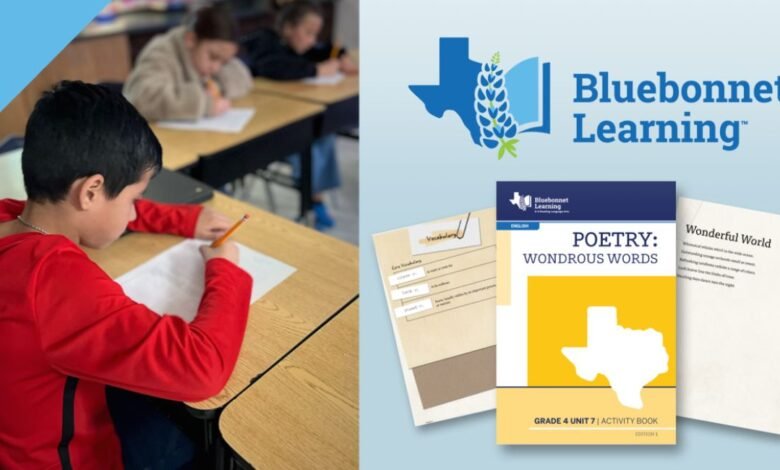
The name “Bluebonnet” comes from a flower that symbolizes growth — just like students grow step by step in learning.
Why the Bluebonnet Curriculum Is Important?
Most students struggle because:
- Lessons are taught too fast
- Exams focus only on marks
- Students feel stressed or confused
The Bluebonnet curriculum solves this by:
- Breaking lessons into small, understandable parts
- Explaining step by step
- Encouraging daily practice
- Reducing stress and building confidence
It focuses on learning smart, not learning hard.
Bluebonnet Curriculum in Texas
In Texas, the Bluebonnet curriculum is widely used in schools to:
- Improve reading and comprehension skills
- Support student-centered learning
- Encourage thinking and problem-solving
It is mainly used for primary and middle school students to help them develop strong learning habits.
Who Can Use the Bluebonnet Curriculum?
The curriculum is not only for weak students. It works well for:
- School students (grades 1–8)
- Beginners who need step-by-step explanations
- Students who learn at different speeds
- Parents who want organized learning plans
- Teachers who need structured lesson guidance

It helps all students, regardless of their skill level.
Subjects Covered in the Bluebonnet Curriculum
The curriculum covers all core school subjects, but in a simple, easy-to-understand way.
| Subject | What You Learn |
| English | Reading, writing, vocabulary, comprehension |
| Mathematics | Numbers, fractions, problem-solving, logic |
| Science | Basic concepts, experiments, observation |
| Social Studies | History, geography, civic understanding |
| Reading Skills | Fluency, comprehension, critical thinking |
Lessons are small and organized, making them easy to follow and remember.
How the Bluebonnet Curriculum Works?
The learning process is structured and simple, so students can follow easily.
Step-by-Step Structure
| Step | What Happens |
| 1 | Learning goals are explained |
| 2 | Teacher explains concepts in simple words |
| 3 | Examples and visuals are used |
| 4 | Students practice exercises |
| 5 | Teacher reviews and gives feedback |
This step-by-step approach helps students understand without stress.
Student-Centered Learning
One of the best things about the Bluebonnet curriculum is its focus on students, not just books.
How It Helps Students
- Students can ask questions freely
- Mistakes are treated as part of learning
- Lessons are paced according to student understanding
- Encourages critical thinking
This makes learning friendly, engaging, and effective.
Bluebonnet Curriculum vs Traditional Curriculum
| Point | Traditional Curriculum | Bluebonnet Curriculum |
| Teaching Style | Mostly lectures | Concept-based learning |
| Focus | Memorization | Understanding |
| Homework | Heavy | Short and meaningful |
| Exams | Stressful | Balanced and regular |
| Student Pressure | High | Low |
The Bluebonnet curriculum is preferred by beginners because it is less stressful and more understandable.
Benefits of the Bluebonnet Curriculum
1. Strong Basics
Students build a solid foundation in:
- Reading
- Writing
- Math logic
- Thinking skills
2. Less Stress
Lessons are short and clear, which reduces pressure and improves confidence.
3. Better Retention
Understanding the concept leads to long-term memory, unlike memorization.
4. Skill Development
Students improve:
- Problem-solving
- Logical thinking
- Communication
- Analytical reasoning
These skills are useful beyond school.
5. Encourages Curiosity
The curriculum encourages students to ask questions, explore ideas, and think critically.
Practical Examples of Learning
Example 1: Math – Fractions
- Teacher uses pizza slices to explain fractions
- Students visualize the fraction
- Practice step by step
- Formulas are introduced slowly
This method ensures understanding, not memorizing.
Example 2: Science – Plant Life Cycle
- Observe each stage of plant growth
- Discuss what happens in each stage
- Answer concept-based questions
- Do simple activities
This makes learning hands-on and interactive.
Role of Teachers
Teachers in the Bluebonnet curriculum act as guides, not just instructors.
| Role | Benefit |
| Explain clearly | Students understand faster |
| Encourage questions | Active learning |
| Give feedback | Students improve faster |
| Support students | Builds confidence |
Teachers focus on progress, not speed, which makes learning more enjoyable.
Study Tips for Students
- Read the lesson goals before starting
- Take short notes
- Practice daily, 20–30 minutes
- Revise weekly
- Ask questions whenever needed
Even small daily effort gives big results over time.
How Parents Can Help?
Parents play an important role:
- Provide a quiet study space
- Encourage reading every day
- Appreciate effort, not just marks
- Avoid pressure or comparison
Positive support at home makes a huge difference.
Bluebonnet Curriculum for Beginners

Beginners especially benefit because:
- Lessons start from basics
- Language is easy to understand
- Lessons move step by step
- Concepts are built gradually
No prior knowledge is required.
Bluebonnet Book List
The Bluebonnet book list encourages reading and comprehension.
Some recommended books:
- The Tale of Despereaux
- The One and Only Ivan
- Wonder
Reading these books improves:
- Vocabulary
- Understanding
- Thinking and reasoning
Frequently Asked Questions (FAQs)
1. What is the Bluebonnet curriculum in Texas?
It is a student-friendly learning program used in Texas to improve comprehension and reading skills.
2. What is the Bluebonnet book list?
A recommended reading list for students to build vocabulary, comprehension, and reading interest.
3. Is the Bluebonnet curriculum good for beginners?
Yes, it is designed to start from basics and explain lessons step by step.
4. Does this curriculum reduce exam stress?
Yes, with regular practice and small assessments, students feel less pressure.
5. Can average students benefit from it?
Absolutely. It works for all students, regardless of their learning speed.
Tips to Succeed in the Bluebonnet Curriculum
- Follow lessons step by step
- Practice exercises daily
- Make short notes for revision
- Ask questions when in doubt
- Revise before exams regularly
Consistency is more important than long hours of studying.
How the Bluebonnet Curriculum Prepares You for the Future?
This curriculum does more than teach books and chapters.
It teaches students how to:
- Think clearly
- Solve problems independently
- Learn confidently
- Apply knowledge in real life
These skills help in higher education, jobs, and life skills.
Final Words for Students
The Bluebonnet curriculum is calm, clear, and beginner-friendly.
It is not about speed or memorization. It’s about understanding, practicing, and growing confidently.
Remember:
- Learning is step by step
- Small progress daily is better than rushing
- Understanding beats memorization
Keep learning, stay patient, and trust yourself